
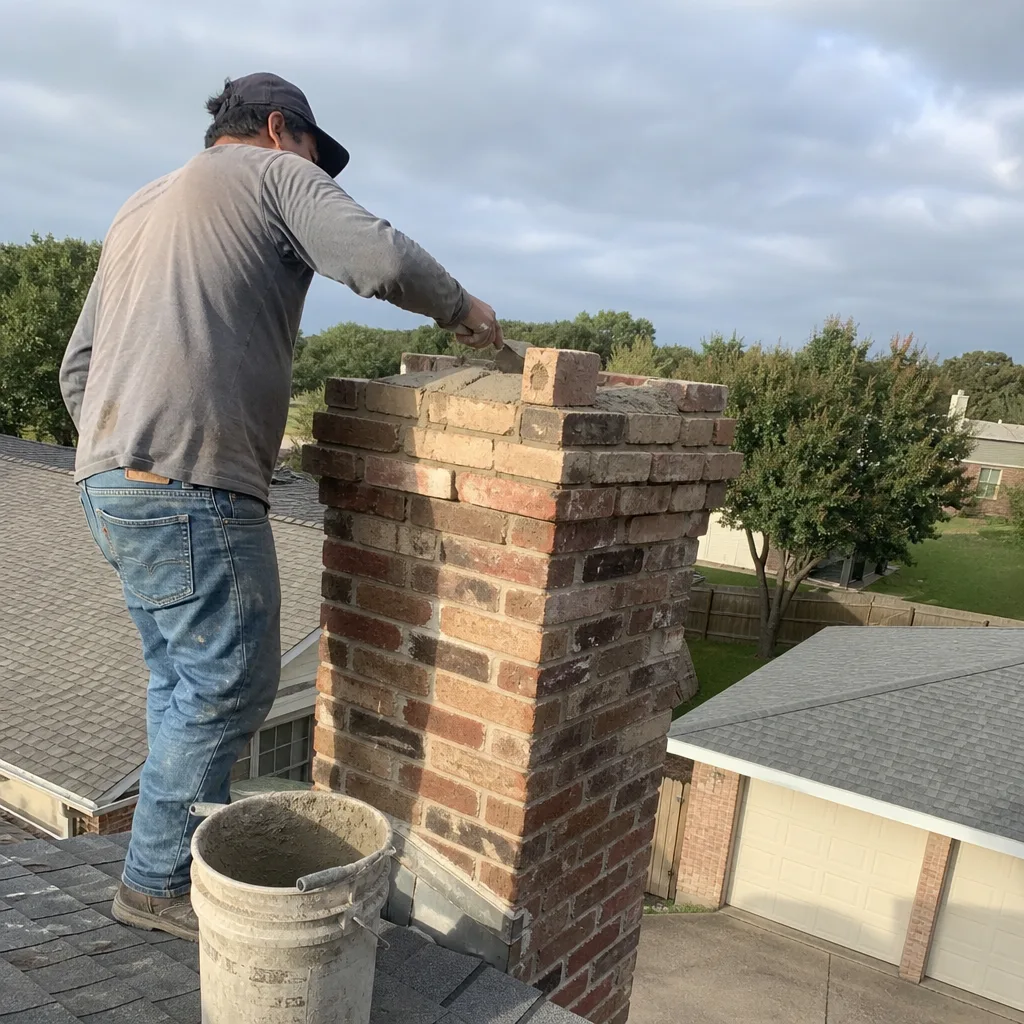
Last updated November 16, 2026
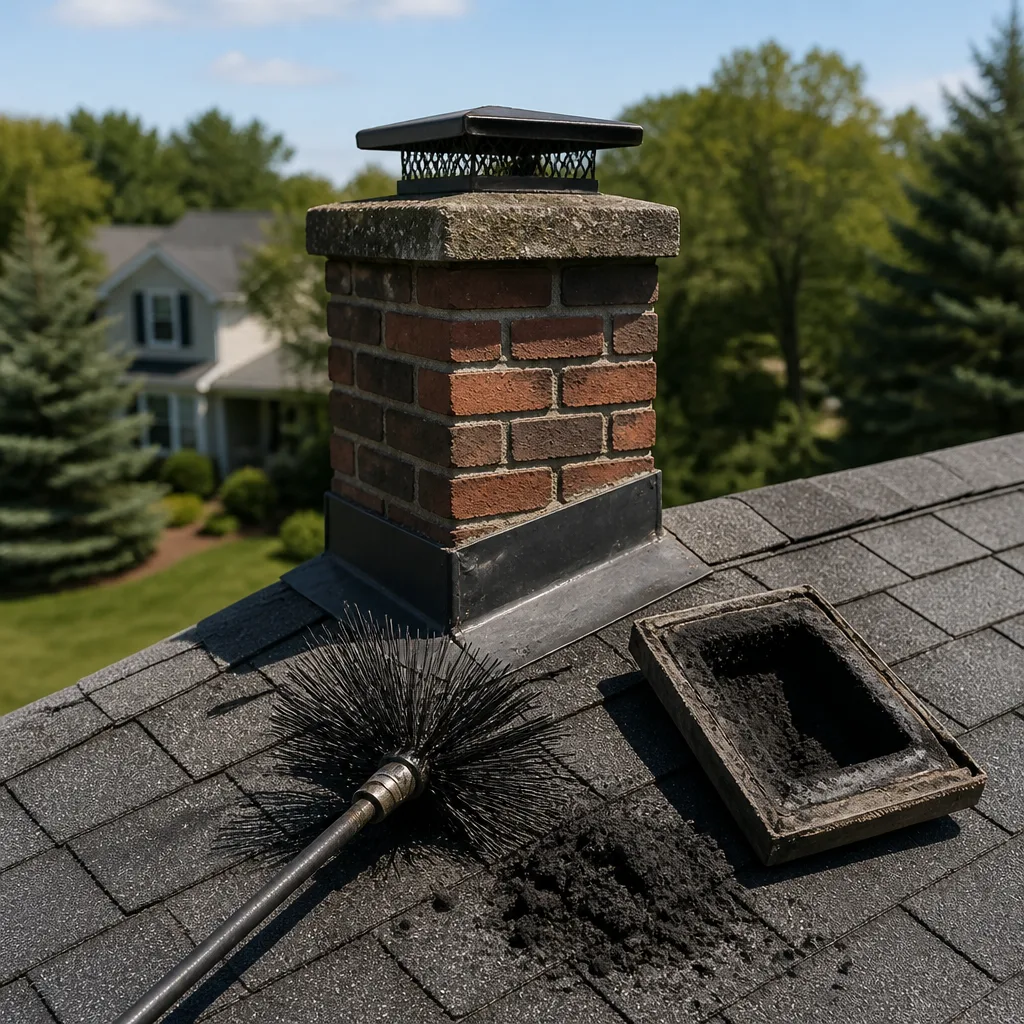 Sweep & inspection
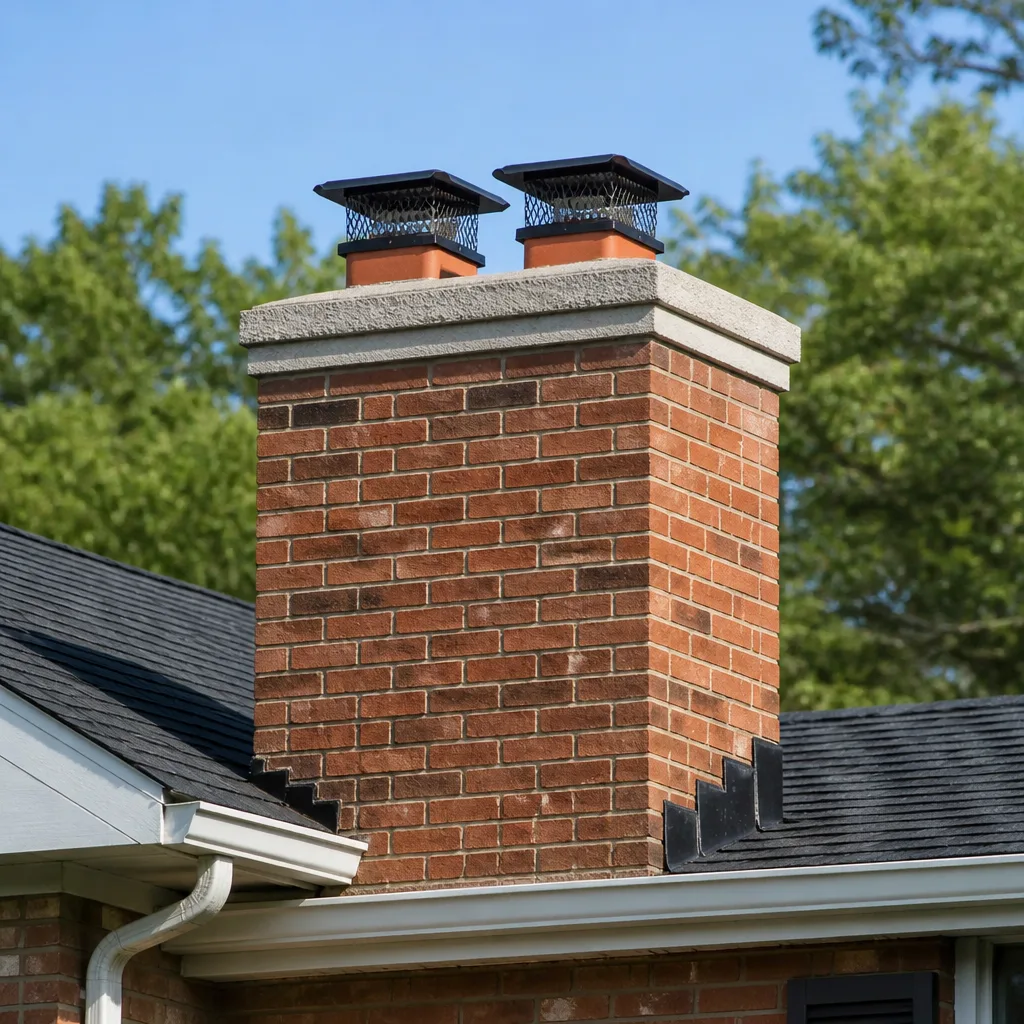 Caps & crowns
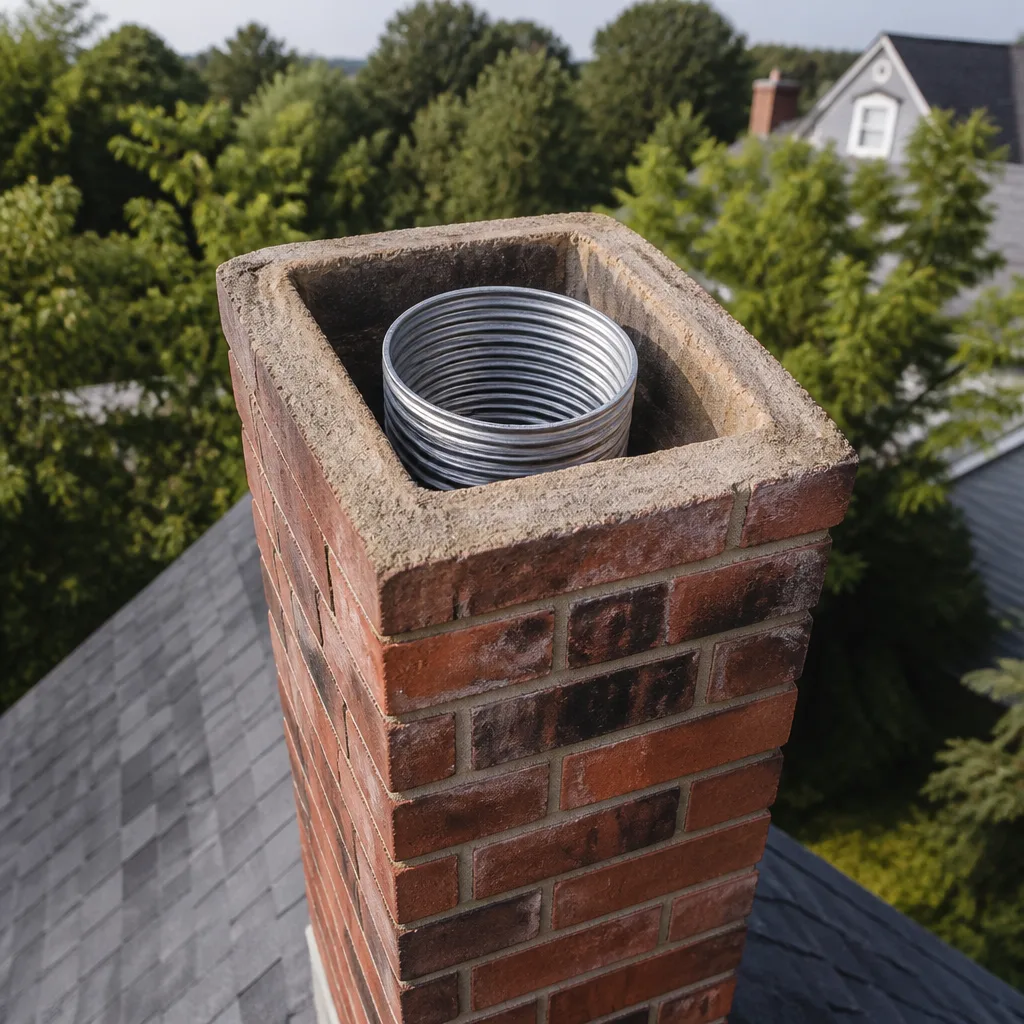 Flue relining
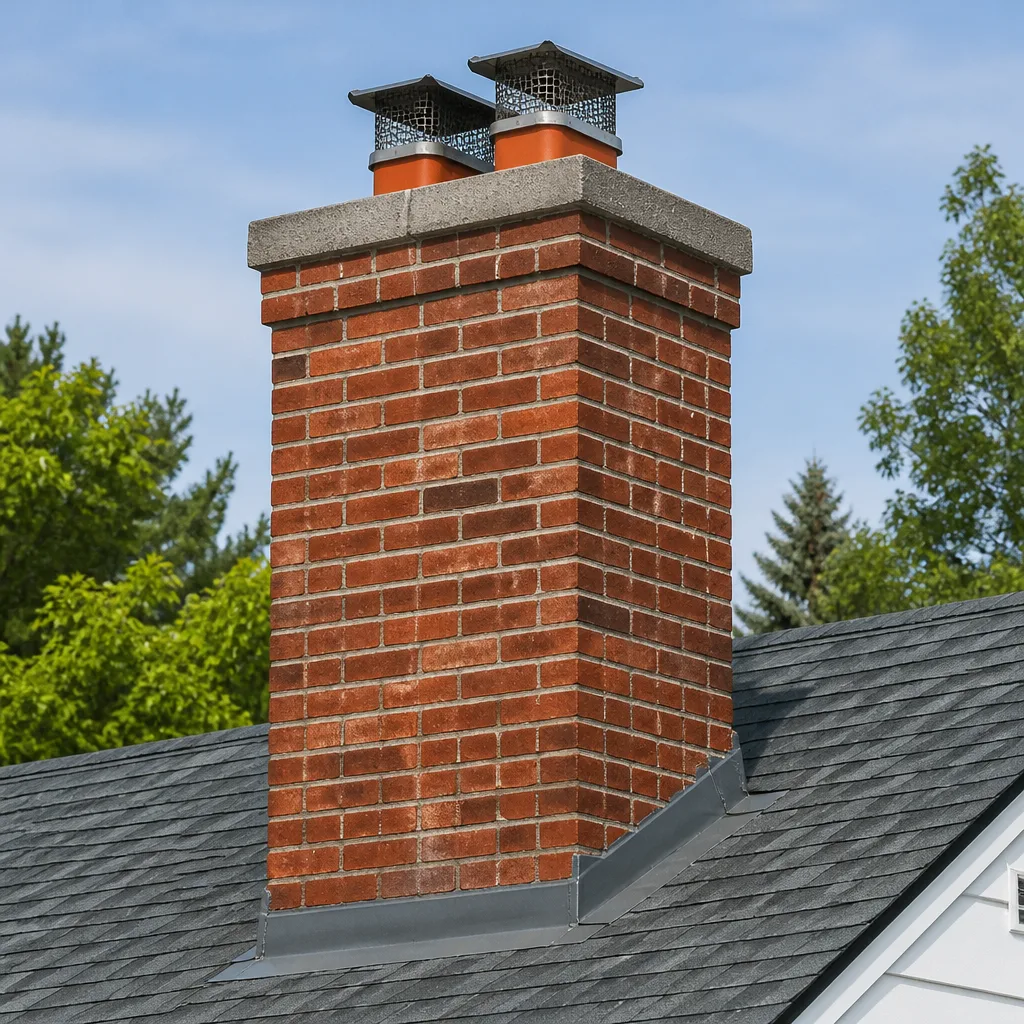 Masonry repair
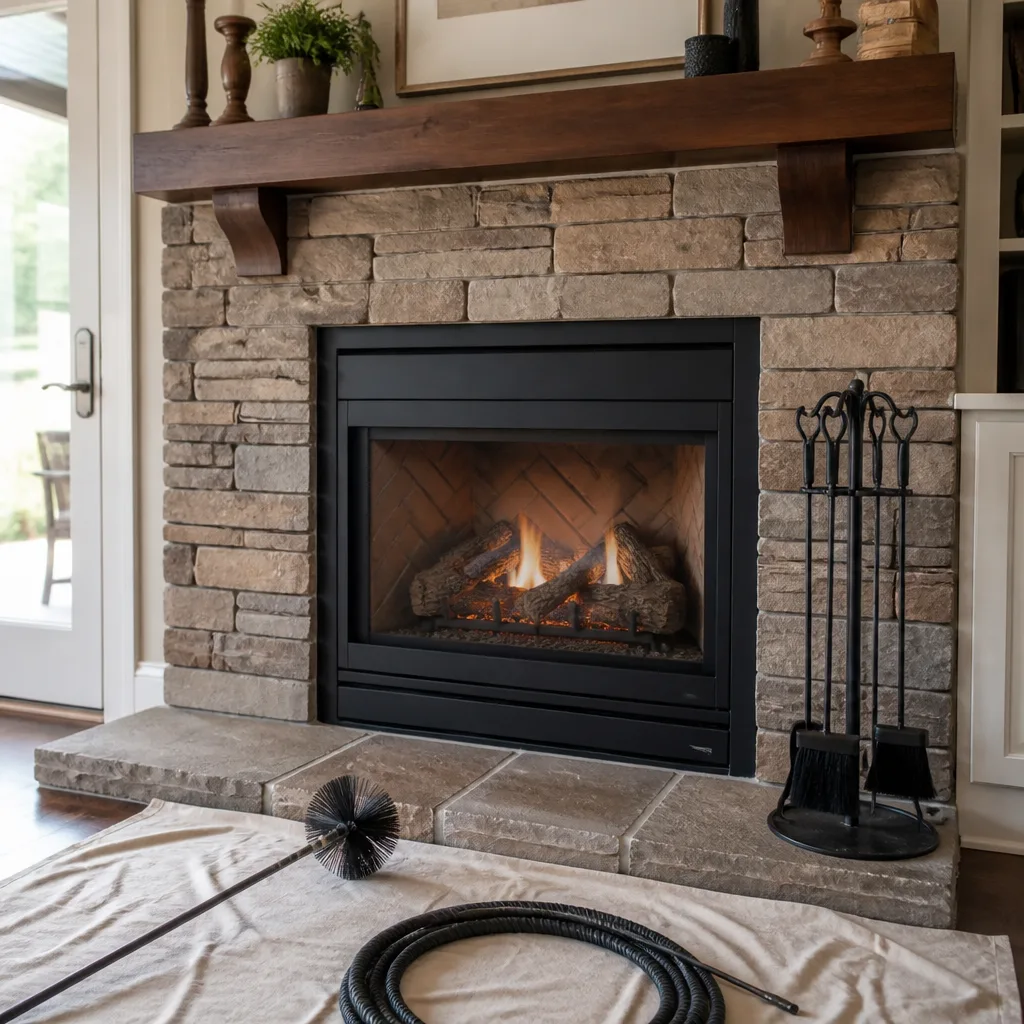 Gas fireplace service
Level 1 sweep and inspection to the NFPA 211 annual standard - flue, crown, cap, and flashing checked and photographed
Chimney sweep logs do not sweep chimneys. They loosen some creosote - which then falls where a brush and vacuum still have to collect it.
Seasonal Chimney Cleaning Care for Irving: Year-Round Homeowner’s Guide
Waiting until October to schedule your Irving chimney sweep means you’re cleaning a flue that’s spent six months absorbing moisture. The creosote you assume dried out over the summer hasn’t dried at all. In North Texas humidity it’s done the opposite: cured into a harder, stickier glaze that clings to the liner and resists an ordinary brush. That single misunderstanding shapes most of what we see in Irving chimneys, and it’s why we rebuild the seasonal calendar from the ground up instead of copying the northern “sweep in fall” script. This guide covers what actually happens to an Irving chimney through the dormant months, why late August or early September is the real inspection window here, and how your burn frequency and a sporadic hard freeze should change your schedule.
Quick Answer
For most Irving homeowners, the best time to schedule a chimney inspection is late August or early September, before the first fire of the season, with a follow-up sweep in spring after your last burn. The North Texas dormant period from May through September is when moisture, animal intrusion, and heat cycling do their quiet damage, so a pre-season inspection catches problems while they’re still small. A home that burns occasionally and one that burns heavily need different intervals, and your annual schedule should match how many fires you actually light.
Styles & brands we work with
- Sweep & inspection
- Caps & crowns
- Flue relining
- Masonry repair
- Gas fireplace service
Table of Contents
- What Happens to an Irving Chimney During the Dormant Period
- Why Late August or Early September Beats October
- How a Sudden Hard Freeze Stresses an Unprepared Chimney
- Spring Post-Season Tasks Most Homeowners Skip
- How Burn Frequency Sets Your Cleaning Interval
- Sweep vs. Inspection: They’re Not the Same Visit
- Signs Your Irving Chimney Needs Attention Now
- Common Mistakes to Avoid
What Happens to an Irving Chimney During the Dormant Period
From May through September, an Irving chimney sits mostly unused, and that’s exactly when the slow damage happens. The DFW summers are hot and humid, and a masonry chimney is a tall column of porous material that pulls moisture in and pushes it back out as the air shifts. That cycle repeats dozens of times over a season.
Three things happen during this dormant stretch:
- Moisture cycling. Masonry absorbs water vapor from humid summer air. When humidity drops, the material releases it. Every cycle leaves a little mineral residue behind, and over years that residue weakens the joints between brick and mortar. A chimney cap that’s loose or missing accelerates the whole process.
- Animal intrusion. Birds, squirrels, and raccoons treat an open flue as a ready-made den. A missing or damaged cap is an invitation. Nesting material is combustible, and it also blocks the flue, which matters the moment you light the first fire.
- Liner expansion and heat cycling. There’s a thermal pattern even when you’re not burning. Sun heats the exterior of the chimney through the day while the shaded interior stays cooler. That temperature difference puts mild stress on the liner and on the mortar crown at the top. A crack in the crown, left through the summer, lets water straight into the chimney structure.
None of this announces itself. You’ll see it in the fall if you look for it, which is why a pre-season inspection matters more here than in a colder climate. The dormant period is the cause, and the pre-season inspection is where we catch the result before it becomes a repair. Irving Chimney Cleaning builds every annual schedule around that reality.
Why Late August or Early September Beats October
In colder parts of the country, October makes sense: the heating season is right there, and a sweep six weeks before the first fire is plenty. Irving doesn’t work that way. The heat lingers into September, humidity stays high through August, and the creosote in your flue has been curing all summer. By the time October arrives, you’re inspecting a chimney that’s already absorbed a full season of moisture and heat cycling without anyone looking at it.
Late August or early September gives you a specific advantage:
- The summer moisture cycle is nearing its end, so you can see what actual condition the masonry is in without mid-season guesswork.
- Any animal intrusion from spring or summer is still discoverable, and the nest or blockage can come out before it becomes a fire risk.
- If the inspection finds a cracked crown, a damaged cap, or a liner that needs attention, you have time to plan the repair on your schedule rather than discovering it on the first cold night.
- You’re booking ahead of the fall rush, so scheduling is easier and there’s no pressure to stack a repair right against the first fire.
October isn’t wrong, exactly. It’s just late. By then you’re doing damage control. A late August or early September inspection in Irving is doing prevention. If you burn even occasionally, that difference repeats year after year, and it’s what keeps small issues from compounding. Schedule chimney inspection work before the season turns over.
How a Sudden Hard Freeze Stresses an Unprepared Chimney
Irving gets a hard freeze now and then, and it’s rarely gradual. The region can swing from mild days to a sharp overnight freeze with little warning. A chimney that hasn’t been prepped for it takes that hit all at once, and that’s where emergency repairs come from. The problem isn’t the cold itself, it’s water.
Water gets into masonry through tiny cracks, a damaged crown, or a compromised flashing, and when the temperature drops hard, that trapped water expands. Masonry doesn’t stretch. The crack widens, mortar loosens, and a hairline problem becomes a real one overnight. The same goes for a chimney cap that’s already loose: wind and a fast freeze tend to finish the job.
Pre-freeze checks that make the difference:
- Confirm the chimney cap is secure and the screen is intact, so water and animals stay out.
- Inspect the crown for cracks before the first freeze, since water sitting on the crown is the most common entry point.
- Check the flashing where the chimney meets the roof, because that seal is the second most common water path.
- Look at the firebox and damper for signs moisture has already been getting in, such as rust or crumbling mortar.
The point isn’t to predict the weather. It’s to make sure the chimney isn’t holding water when the temperature falls. A chimney that’s been inspected and prepped takes a hard freeze in stride. One that hasn’t is where we see the cracked crowns and loosened flue tiles that turn into unplanned repair work.
Spring Post-Season Tasks Most Homeowners Skip
When the last fire goes out in spring, most Irving homeowners move on. That’s the mistake. Spring is when the creosote from this season is still at its most manageable, and a spring sweep sets up how much damage accumulates before the next one. Skip it, and you’re living with creosote through the whole dormant period, curing harder week by week.
Spring post-season work that matters:
- Sweep out the creosote. A spring chimney sweep removes the buildup while it’s still easy to remove. Left through the summer, it glazes and hardens.
- Check the damper and firebox. Rust or crumbling mortar here often signals a leak that’s gone unnoticed. Catching it in spring gives you the whole season to fix it.
- Inspect the crown and flashing. Spring is the right time to find and seal small cracks, before summer rain and fall weather work on them.
- Confirm the cap is intact. The cap does the most work during the months you aren’t burning. Make sure it’s secure going into the dormant period.
- Note how much creosote came out. The volume of buildup tells you how your burn habits are working, and it sets the interval for next season.
A spring sweep is the cheapest step you can take to protect an Irving chimney, and it’s the one people skip most. It’s also where a sweep and a repair visit naturally overlap: the same visit that cleans the flue is the one that finds the loose cap or the hairline crown crack.
How Burn Frequency Sets Your Cleaning Interval
An Irving homeowner who burns 10 fires a year needs a different schedule than one who burns 40. That sounds obvious, but most “annual cleaning” advice ignores it entirely and treats every fireplace the same. Creosote buildup runs on burn volume, fuel type, and how hot the fire burns, so a fixed yearly visit doesn’t match every home.
- Light use (roughly 10 to 15 fires a year): A once-a-year inspection with a sweep as needed usually keeps things on track. The important thing is not to skip the inspection year after year, because problems accumulate silently.
- Moderate use (roughly 20 to 30 fires): A pre-season inspection plus a spring sweep is a sensible pattern. The visits aren’t about a single dramatic problem, they’re about keeping buildup from compounding.
- Heavy use (40 fires or more, or someone who burns most cool evenings): The flue builds creosote faster, and the interval should be tighter. A mid-season look makes sense so you’re not going into late winter with unaddressed buildup.
- Gas inserts and low-smoldering fires: These can behave differently, sometimes producing more residue than wood burned hot, so an inspection still matters even if the firebox looks clean.
The number that matters isn’t on a calendar, it’s how much you actually burn. A Double Oak homeowner with a busy fireplace has a different ideal schedule than someone in Irving who lights a fire on holidays. Build your annual plan around your own habits, and the yearly question shifts from “is it due yet?” to “do I have time to address this properly?”
Sweep vs. Inspection: They’re Not the Same Visit
People use “sweep” and “inspection” interchangeably, and that’s a real problem. They answer different questions. A sweep cleans the flue. An inspection assesses the whole system and documents its condition. You can get a perfectly clean flue that’s still failing an inspection because the crown is cracked or the liner has deteriorated.
Here’s how the two differ in practice:
| Service | What It Does | When It Matters Most |
|---|---|---|
| Sweep | Removes soot and creosote from the flue so the chimney is clear and safe to use | After a burn season, or before the first fire if buildup is high |
| Inspection | Assesses the full system and gives you a documented picture of its condition | Pre-season, and before any repair decision |
The two feed each other. A sweep tells you what’s in the flue; an inspection tells you what the flue itself is like. When an inspection turns up a liner that’s broken down, the fix may be a chimney repair with a relining system. That’s where product knowledge actually matters, and it’s why we work with professional-grade materials like DuraFlex liner systems and HeatShield resurfacing rather than a generic patch. A repair isn’t guesswork; it’s a match between what the inspection found and what the system needs.
If your plan only ever includes one visit, make it the inspection. Cleaning a chimney doesn’t tell you whether the crown, cap, or liner has a problem. Only the inspection does.
Signs Your Irving Chimney Needs Attention Now
An Irving chimney won’t always wait for a pre-season inspection. Some signs need a call sooner. These are the ones worth taking seriously:
- Strong odor when you light a fire. A sharp, smoky smell that fills the room is often a sign of a blocked flue or heavy creosote. Either one matters before the next fire.
- Smoke rolling back into the room. That’s a drafting problem, and drafting problems have causes: a partial blockage, a damaged flue, or a cap that’s come loose.
- Visible cracks in the masonry or the firebox. Cracks are paths for water and smoke in both directions. Get them assessed before they widen.
- Water stains or efflorescence. White staining on the exterior masonry is a sign water is moving through the chimney. It usually points to the crown or flashing.
- Rust on the damper or firebox. Rust means moisture is getting in, and it often means it’s been happening for a while.
- A cap that’s loose, missing, or has screen damage. This one gets overlooked because it’s on the roof, but it’s the most common way water and animals get in.
If any of these show up in Irving, don’t wait for the season to turn. A problem that shows itself is usually cheaper to fix than one that’s been working quietly through the dormant period. The full range of what we handle runs from chimney repair on a single crown crack to a full liner assessment, and none of it is recommended without you seeing what we found.
Common Mistakes to Avoid
- Waiting for October to schedule. By then the moisture cycle, animal intrusion, and heat cycling have already done their work. The best Irving window is late August or early September, so you’re catching issues before they compound.
- Treating “annual inspection” as optional. The yearly inspection is the annual event, and the sweep is what results from it when buildup calls for it. Skipping the inspection is how cracked crowns go unnoticed for years.
- Assuming creosote will burn off over the summer. It doesn’t. In North Texas humidity, creosote cures harder and more adhesive over the dormant period, which makes it harder to remove and a bigger risk when the next fire happens.
- Ignoring the cap and crown entirely. These two components do the most work during the months you’re not burning. A loose Famco cap or a hairline crown crack is where most water repair starts.
- Only cleaning the flue. A sweep clears the chimney, but it doesn’t tell you whether the liner, cap, or crown need work. You need the inspection along with the cleaning.
- Skipping the spring sweep. Spring is when creosote is most manageable. Leave it in the flue through the summer and you’re setting up next season’s damage before you’ve even burned a fire.
- Ignoring a hard-freeze forecast. A sudden freeze acting on a chimney holding water is where the cracked crowns and widened joints come from. A pre-freeze check is how you avoid that unplanned repair.
See the difference
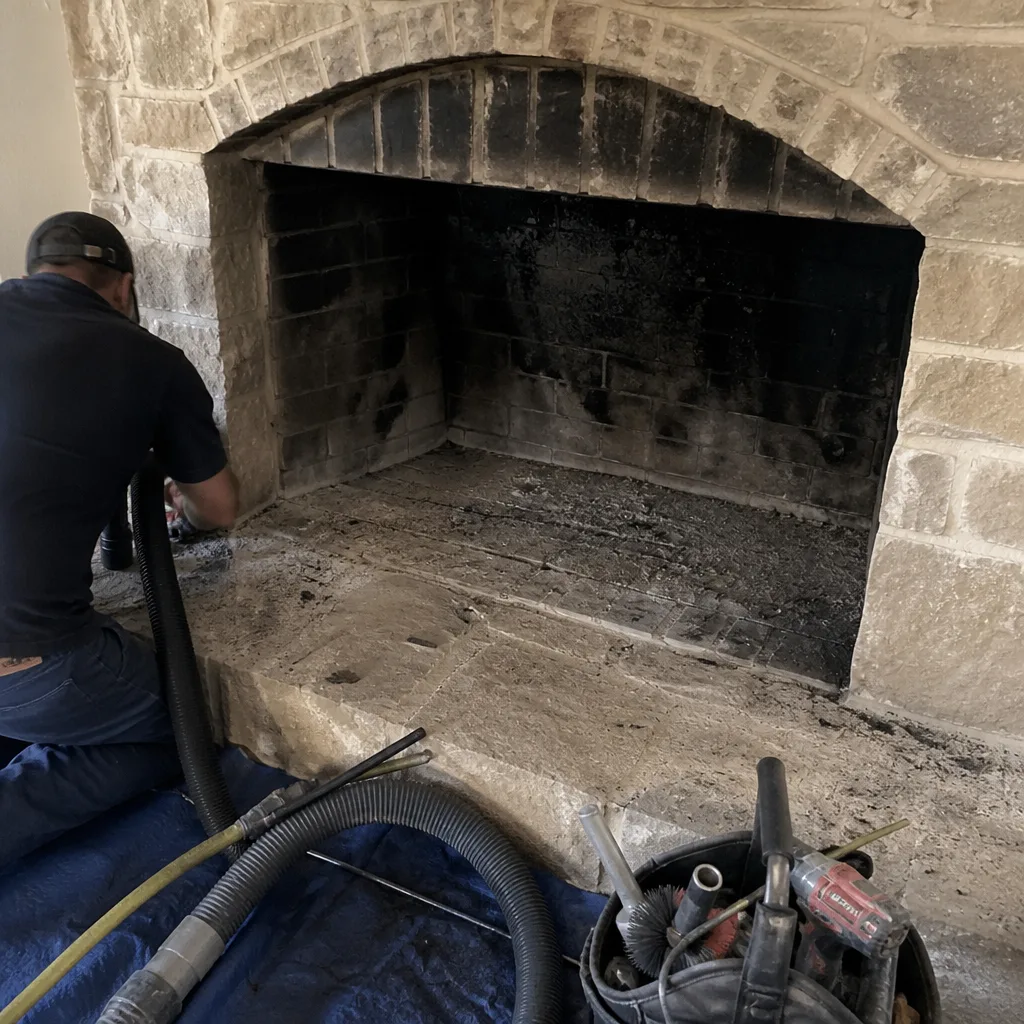 Before
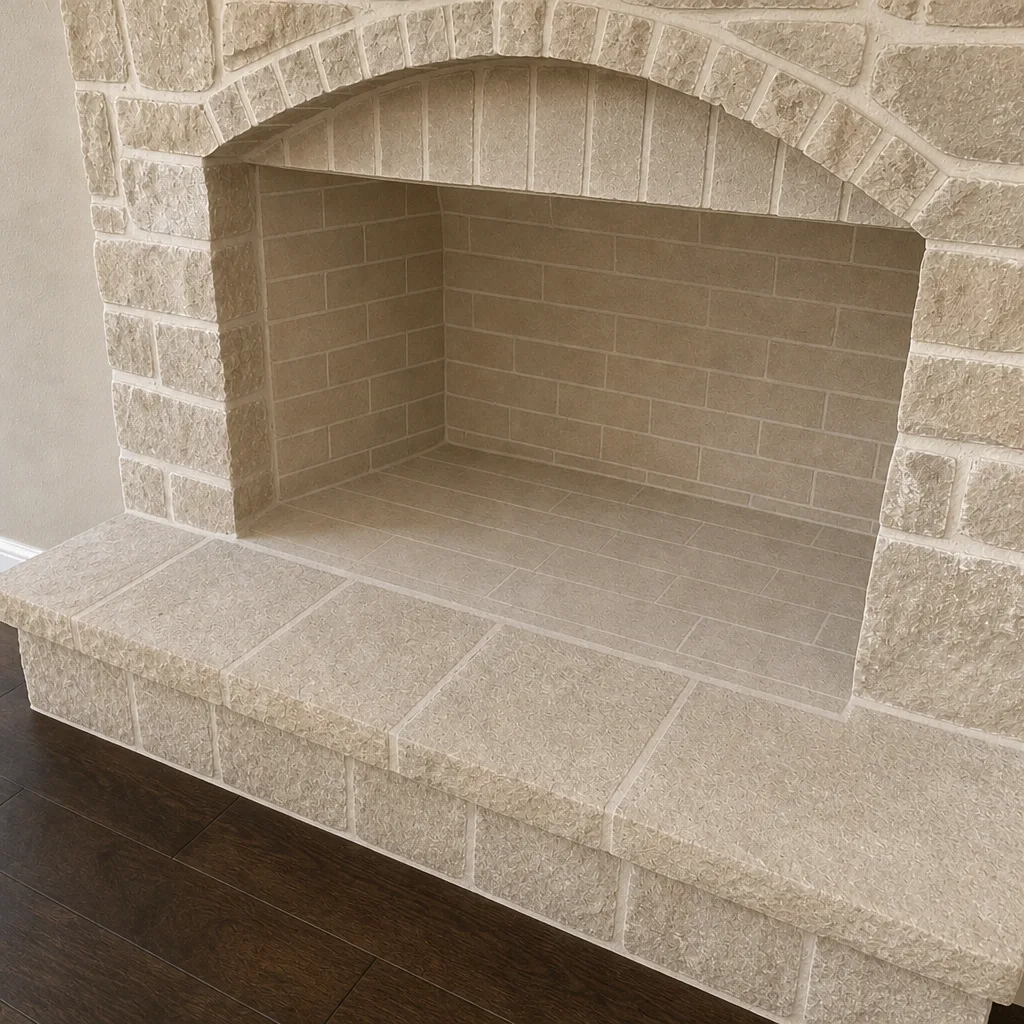 After
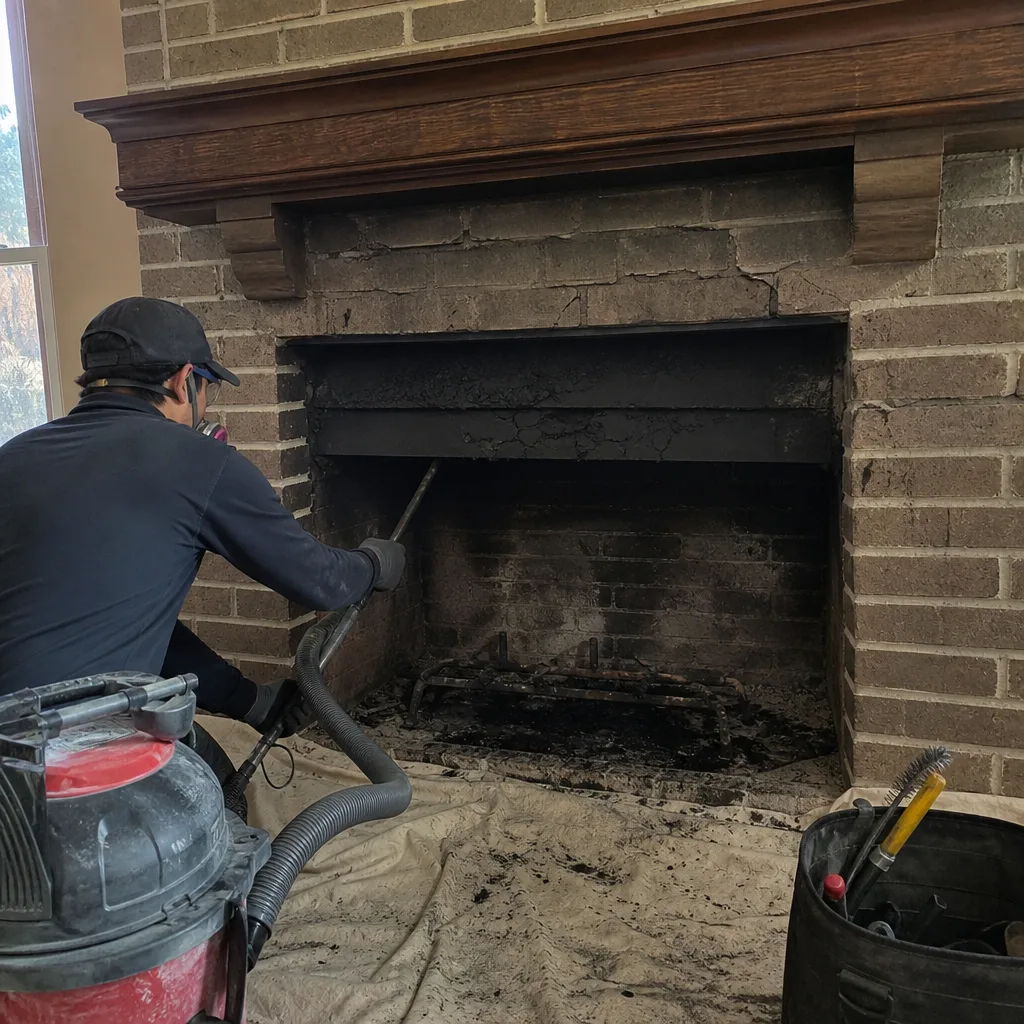 Before
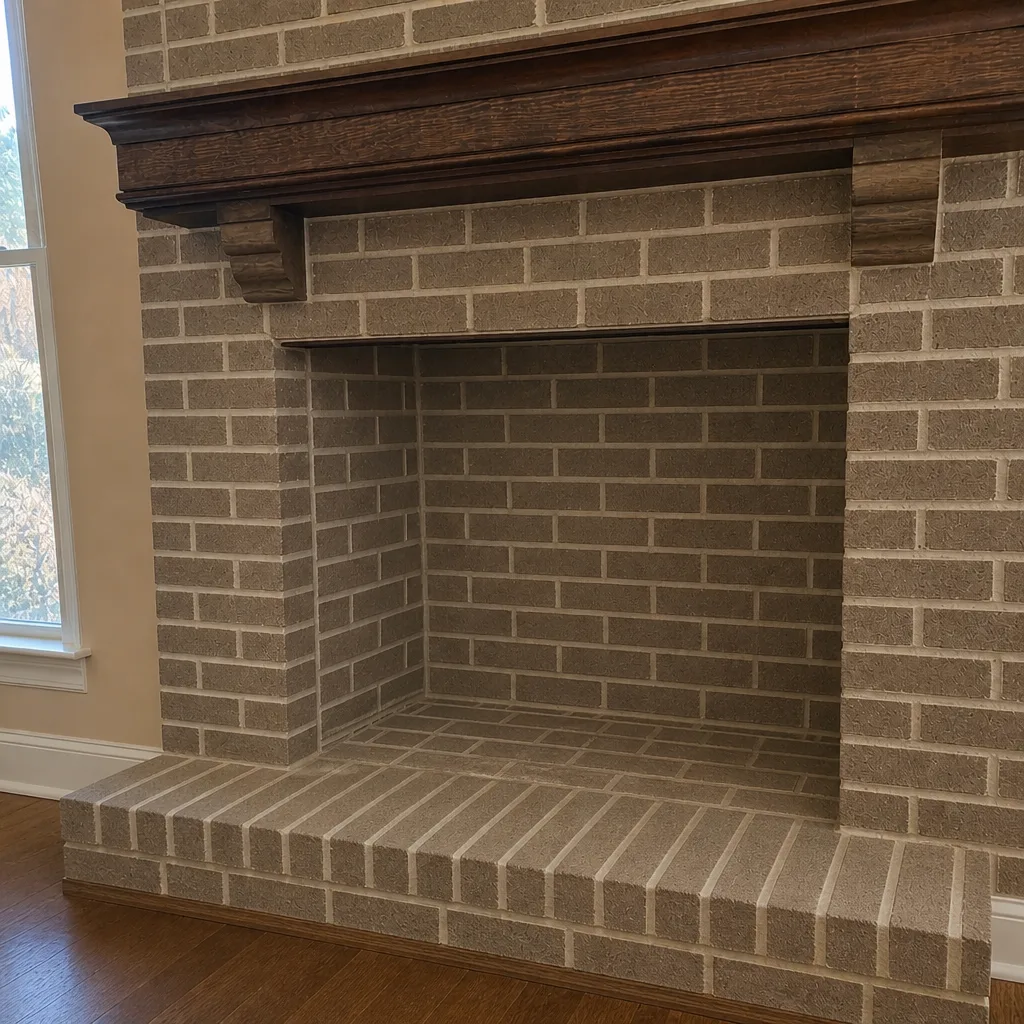 After
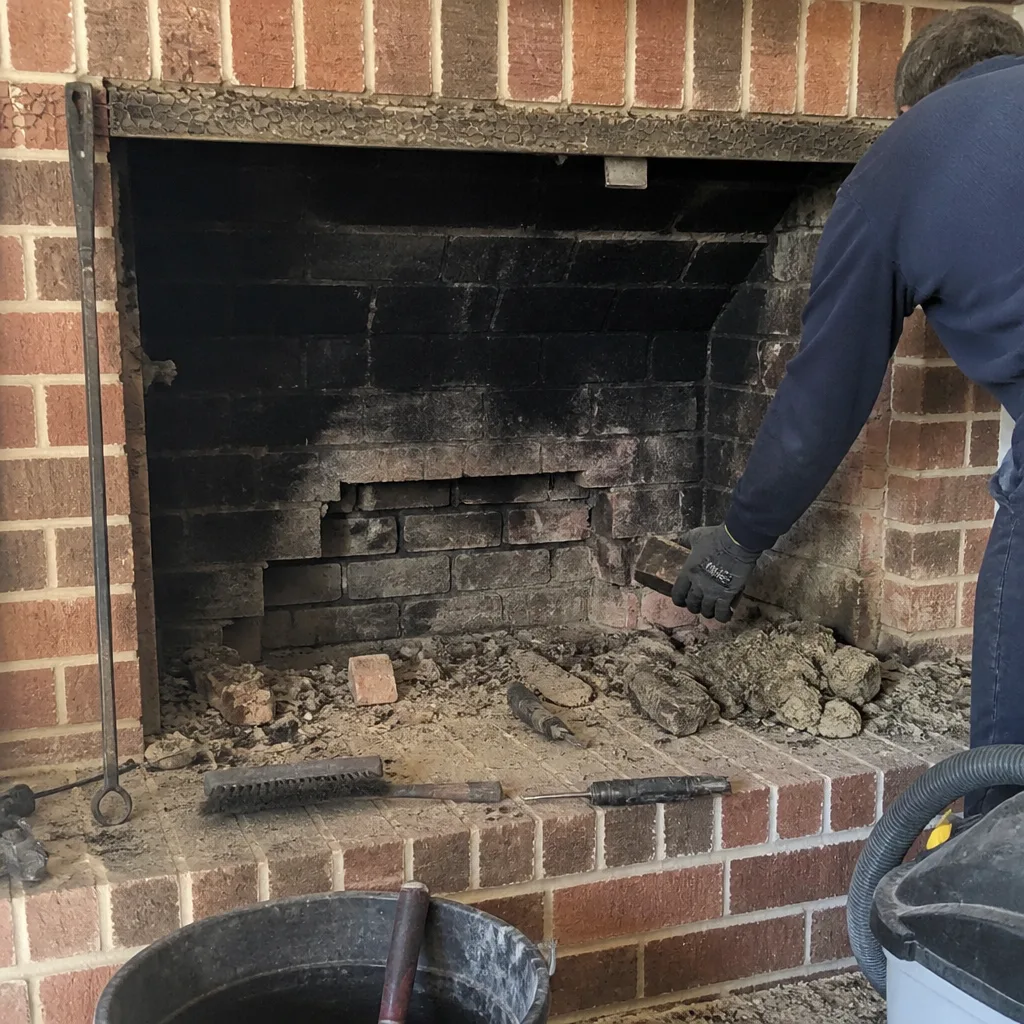 Before
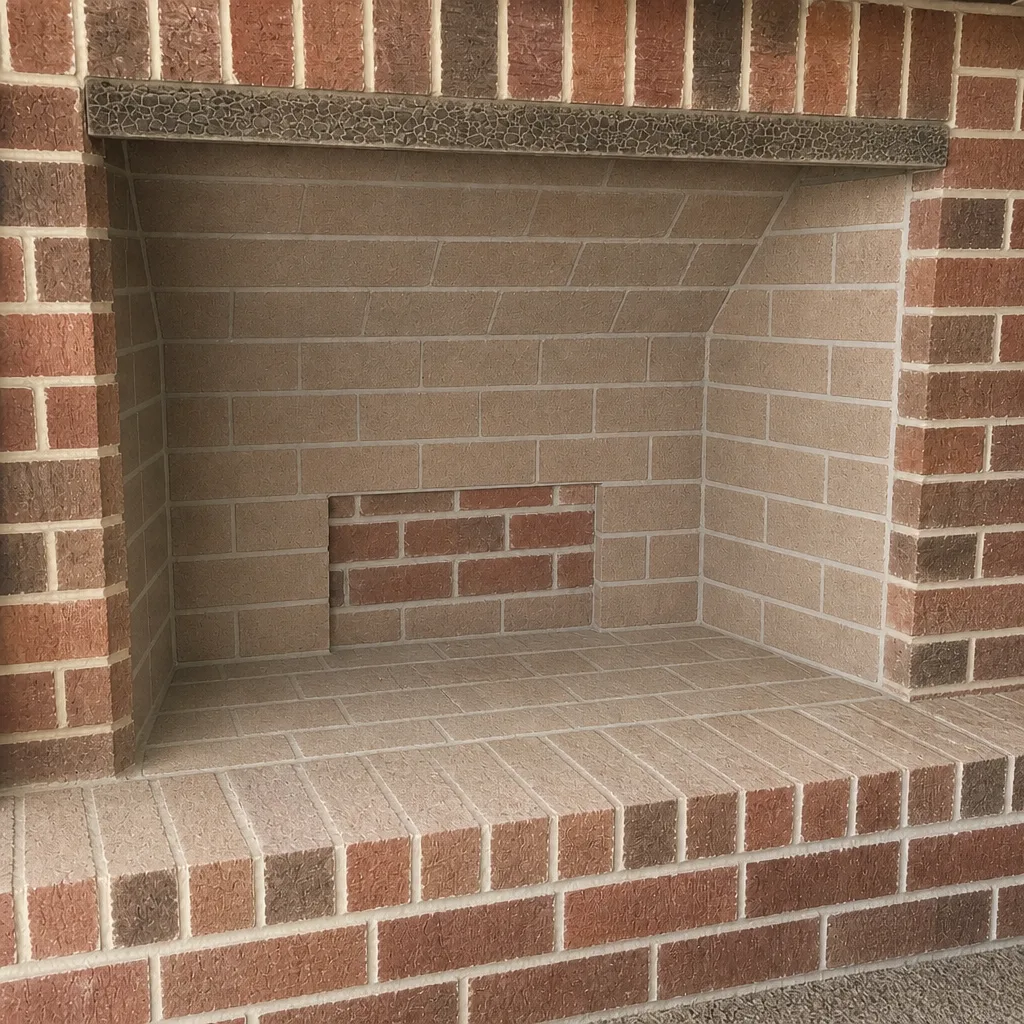 After
When to Call a Professional
Some issues need a trained technician, not a homeowner with a flashlight. Call us when you smell a strong odor on the first fire, when smoke rolls back into the room, when you can see cracks in the firebox or the masonry, when water stains appear on the exterior, or when you simply can’t remember the last time the chimney was inspected. Those are the moments where waiting doesn’t help, and where a professional assessment catches what a visual check misses. Our technicians have up to 11 years of experience, we work with professional-grade materials, and every repair recommendation comes with documentation you can see for yourself before you agree to anything. Irving Chimney Cleaning offers free estimates in Irving, so call (855) 955-5057. We answer 24/7. Fast dispatch from 7am to 7pm, Sunday through Friday.
Frequently Asked Questions
Most Irving homes should be swept once a year at minimum, with the interval tightened if you burn heavily. A homeowner who lights 10 fires a year can often go longer between sweeps than one who burns 40 or more. The annual inspection tells you whether it’s time. Call (855) 955-5057 for a free estimate, and we’ll tell you what your chimney actually needs.
Late August or early September is the best window for most Irving homeowners. That’s when the summer moisture cycle is ending but the first fire is still weeks away, so any repair has time to happen on your schedule. October works too, but by then you’re catching problems late. Call (855) 955-5057 for a free estimate and we’ll find a time before the season turns.
Yes, and it’s one of the misconceptions we hear most. In North Texas humidity, creosote left in the flue through the dormant period cures into a harder, more adhesive glaze, which makes it a bigger fire risk and harder to remove. A spring sweep gets it out while it’s still manageable. Call (855) 955-5057 for a free estimate and we’ll check where yours stands.
A chimney inspection is a documented assessment of the whole system: the flue, the crown, the cap, the flashing, and the firebox. It tells you what condition each part is in and flags anything that needs attention, so you can make a decision with a clear picture. We recommend nothing without showing you what we found. Call (855) 955-5057 for a free estimate on an inspection.
Yes, a sudden hard freeze can widen existing cracks and loosen mortar if the chimney is holding water. The damage isn’t from the cold itself, it’s from water expanding in the masonry. A pre-freeze check on the crown, cap, and flashing is the simplest way to prevent it. Call (855) 955-5057 for a free estimate before the next cold snap.
Yes, we inspect chimneys for both wood-burning fireplaces and gas inserts. Gas inserts can produce their own residue, so an inspection still matters even if the firebox looks clean. Call (855) 955-5057 for a free estimate and we’ll assess the system you have.
The Bottom Line
An Irving chimney doesn’t follow the northern “clean it in fall” calendar, and treating it like it does is where most problems start. The real damage happens between May and September, while the flue sits unused, absorbing moisture, hosting animals, and letting creosote cure harder week by week. That’s why late August or early September is the right inspection window, why a spring sweep is the step most people skip, and why a hard freeze acting on an unprepared chimney is where unplanned repairs come from. Match your cleaning interval to how often you burn, get the inspection before the season, and fix what it finds while the repair is still small.
Call (855) 955-5057 for a free estimate. We answer 24/7. Fast dispatch from 7am to 7pm, Sunday through Friday. Closed Saturday. We’ll inspect your chimney, show you what we found, and tell you honestly what can wait and what can’t.
Written by the team at Irving Chimney Cleaning.