
Last updated November 16, 2026
 Sweep & inspection
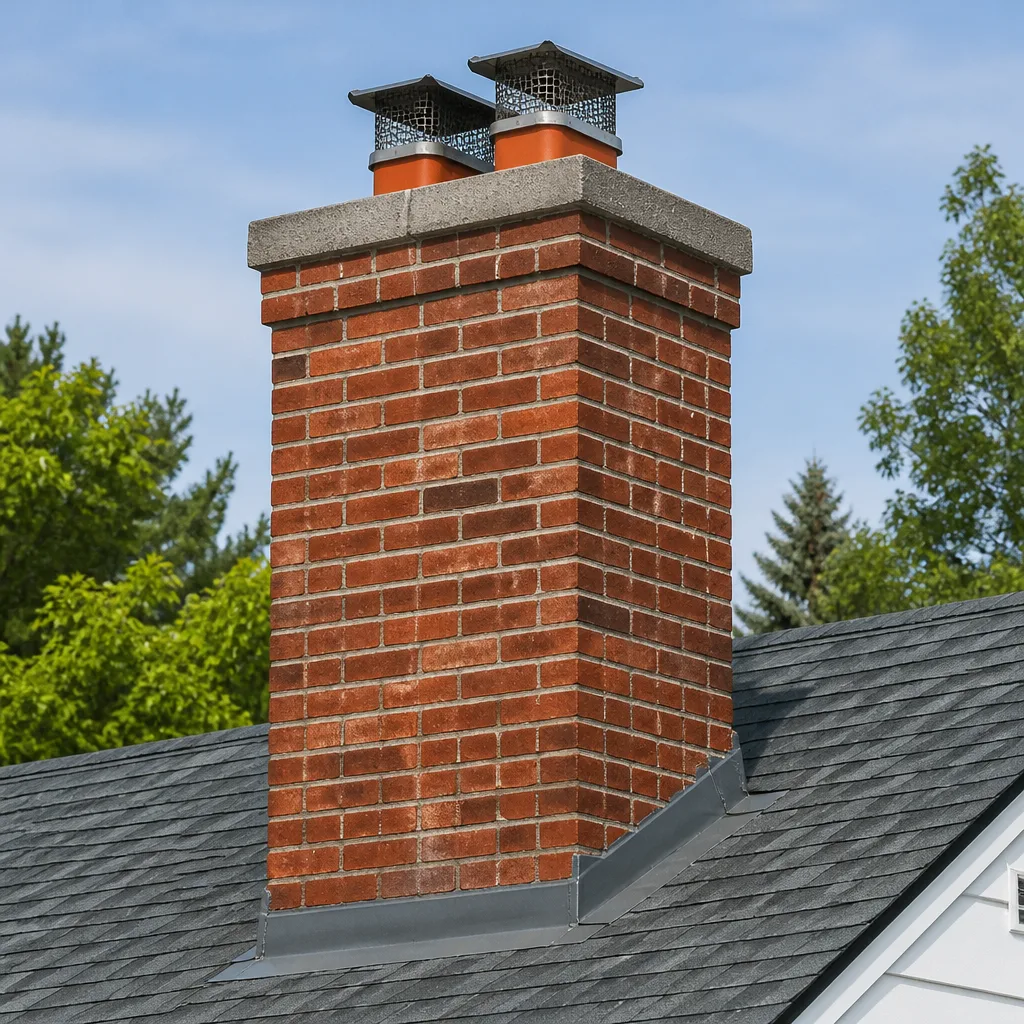
 Caps & crowns
 Flue relining
 Masonry repair
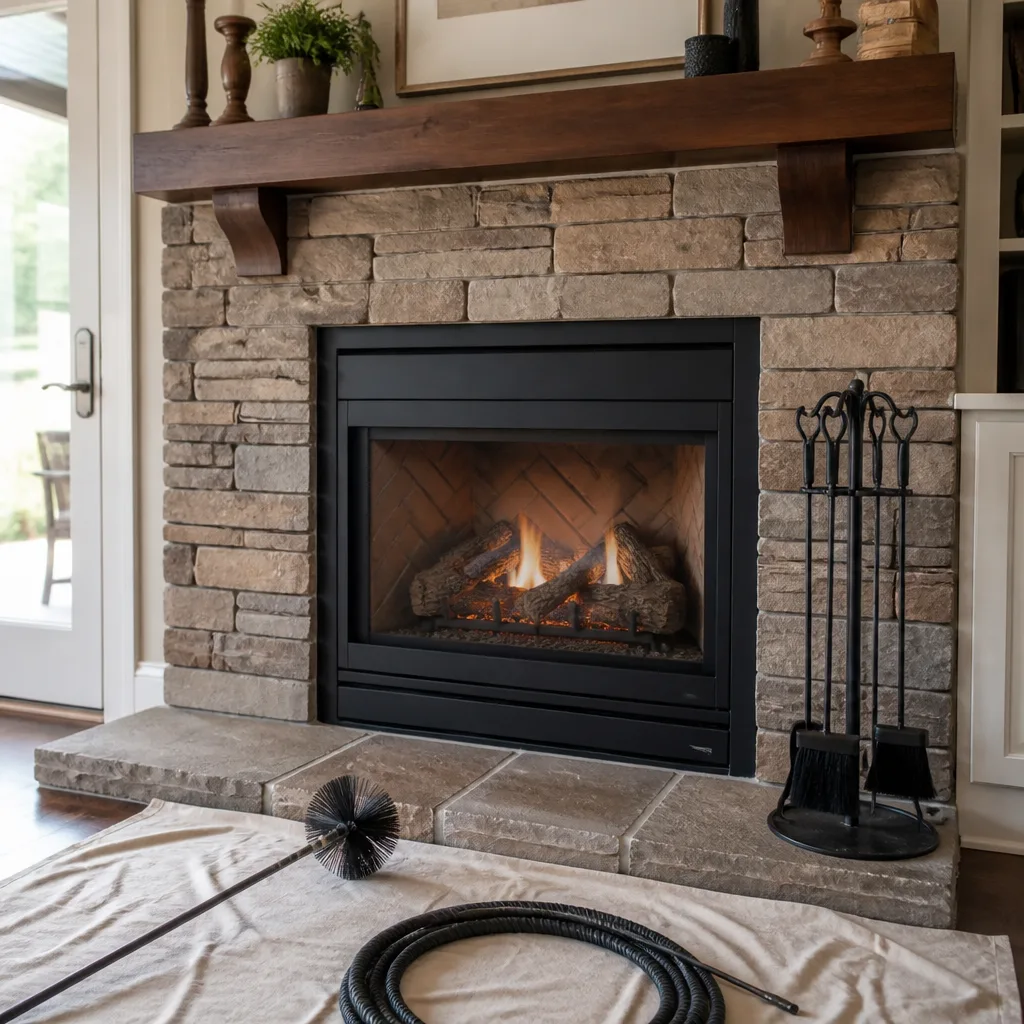 Gas fireplace service
Level 1 sweep and inspection to the NFPA 211 annual standard - flue, crown, cap, and flashing checked and photographed
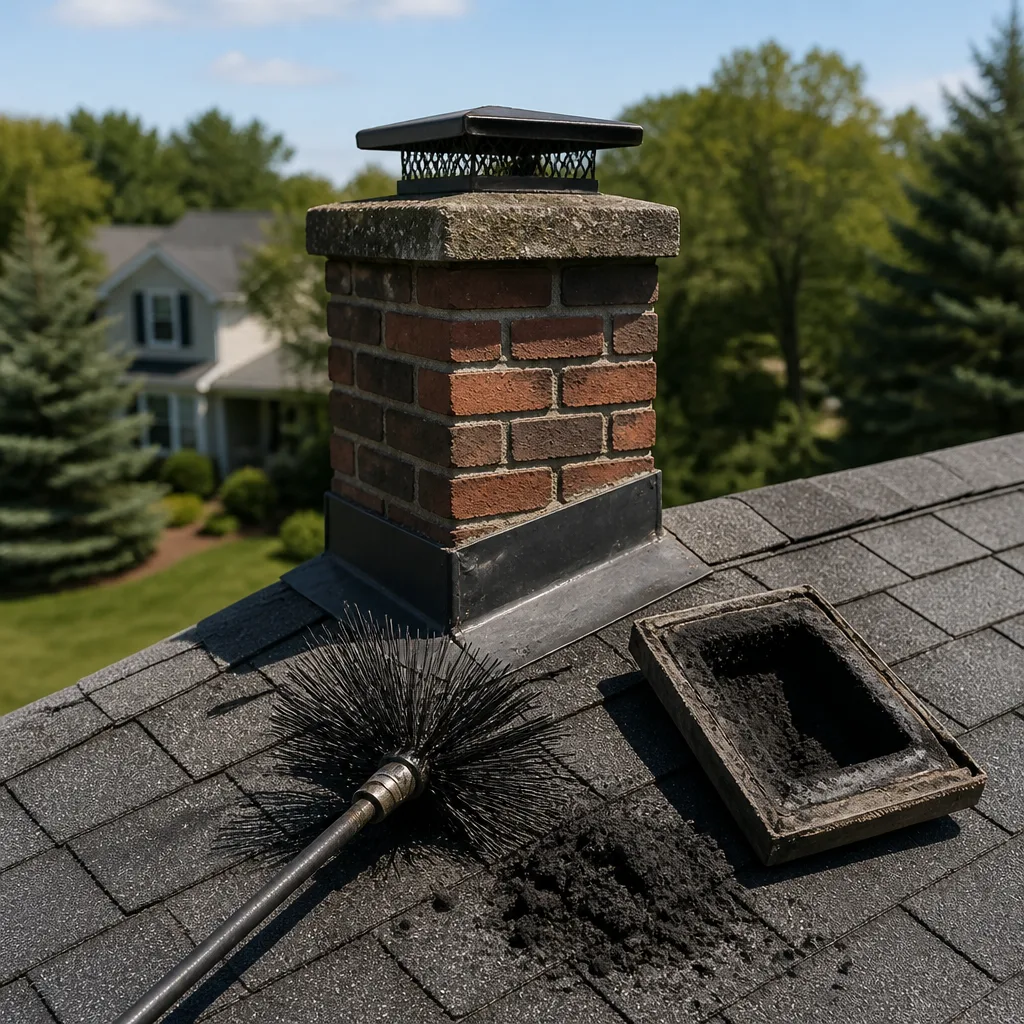
Chimney sweep logs do not sweep chimneys. They loosen some creosote - which then falls where a brush and vacuum still have to collect it.
Chimney Cleaning Permits, Codes & Inspections in Irving, TX: What You Need to Know
Here’s the part that surprises most homeowners: pulling a chimney brush through a flue needs no permit anywhere in Texas, but replacing the liner that brush just cleaned often does. The line between routine maintenance and regulated construction is where Irving homeowners get into trouble, usually after the work is done and a buyer’s inspector is standing in the living room. This guide answers the permit question directly, walks through the Texas residential code that governs solid-fuel appliances and venting, explains how a Level 2 inspection fits into a sale, and shows you how to verify a contractor’s “code compliant” claim instead of trusting the word. By the end you’ll know exactly which chimney jobs in Irving need paperwork and which don’t.
Quick Answer
Routine chimney cleaning and minor mortar repair in Irving, TX generally do not require a permit. Liner replacement, firebox reconstruction, and new or altered gas appliance venting usually do, because those are structural or mechanical changes governed by IRC Chapter 10 as adopted by Texas, and the City of Irving’s building department reviews them as construction work. If you’re selling a home, a Level 2 inspection documents chimney condition for disclosure purposes, and unpermitted liner work can surface as a title or appraisal problem. When in doubt, ask the city before the work starts, not after.
Styles & brands we work with
- Sweep & inspection
- Caps & crowns
- Flue relining
- Masonry repair
- Gas fireplace service
Table of Contents
- Which chimney services in Irving need a permit and which don’t
- How the City of Irving handles chimney permits
- What Texas residential code actually says about chimneys
- Level 2 inspections and real estate transactions
- What “code compliant” means on a proposal and how to check it
- What documentation a contractor should pull for you
- Why Irving’s housing stock makes this matter
- When to call a professional
Which Chimney Services in Irving Need a Permit and Which Don’t
The simplest way to think about it: if the work is cleaning, inspecting, or repairing what’s already there with like materials, it’s maintenance and exempt. If the work changes the structure, adds or replaces a component that contains fire or directs exhaust, or touches gas venting, it’s construction and the city wants to see it.
Here’s the split as it typically plays out in Irving:
Usually no permit required
- Routine chimney sweep and creosote removal
- Level 1 and Level 2 inspections (visual and camera-based)
- Minor mortar repointing on the chimney crown or exterior stack where no structural member is replaced
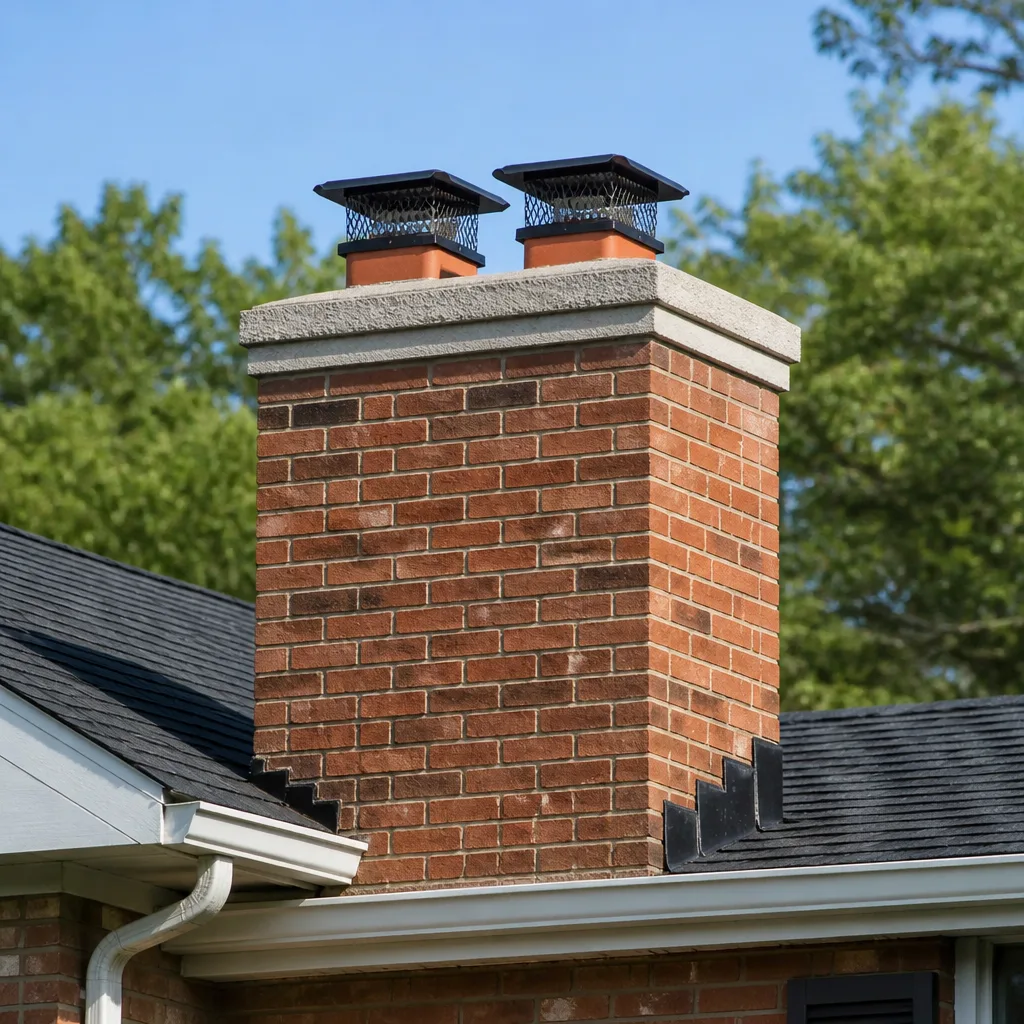
- Chimney cap replacement using like-for-like materials, such as a Gelco cap swapped for one of the same size and configuration
- Damper adjustment or replacement of a damper of the same type and dimension
Usually requires a permit
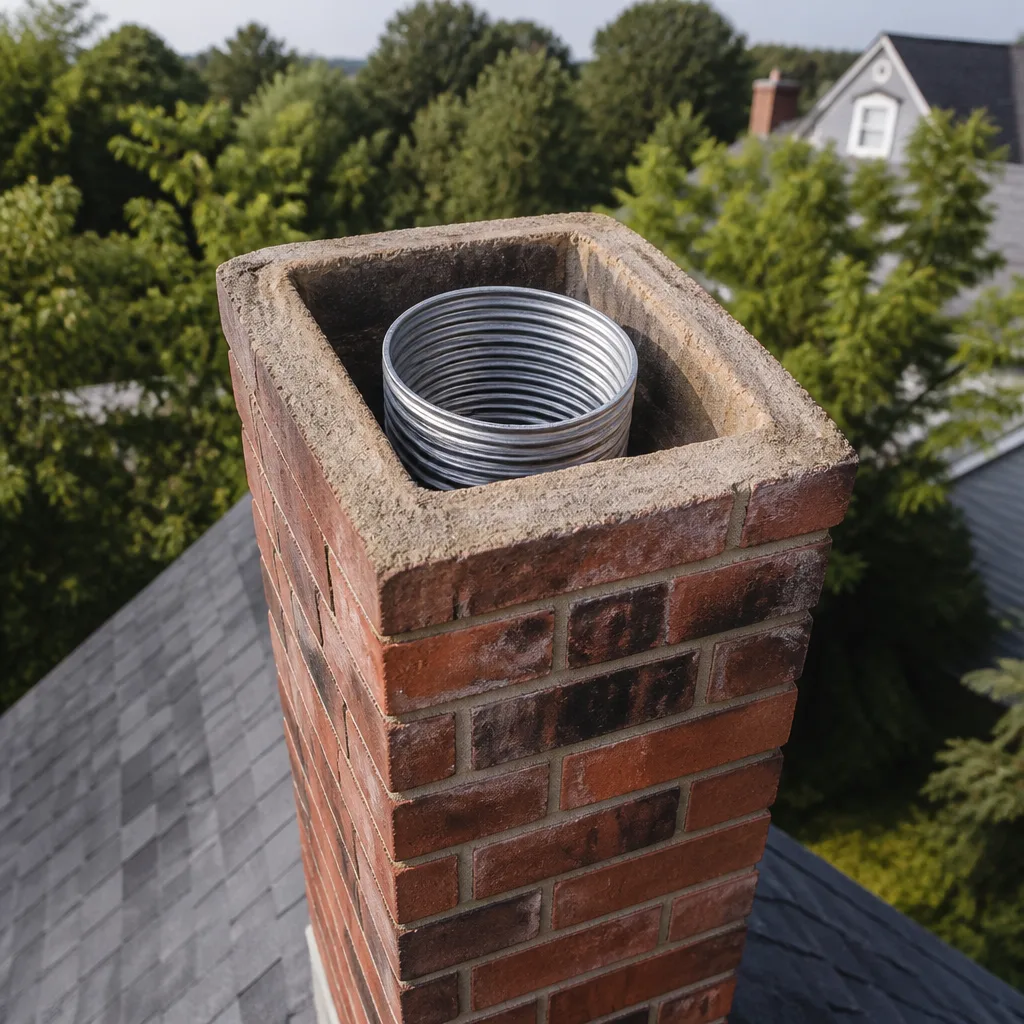
- Liner replacement or relining, including a DuraFlex stainless system installed in an existing flue
- Firebox reconstruction or any work involving the refractory masonry box
- New gas appliance venting, or re-routing an existing vent
- Adding a new chimney or extending an existing one above the roofline
- Interior resurfacing with a system like HeatShield where the flue’s structural integrity is being restored
- Converting a wood-burning fireplace to a gas insert with new venting
The line isn’t always obvious, and it varies with how much of the original assembly is being removed. Relining is the most common trip-up. A homeowner hears “we’re just putting a new liner inside the old flue” and assumes it’s a repair. The city usually sees it as replacing a component of a regulated appliance venting system.
How the City of Irving Handles Chimney Permits
For a residential chimney project in Irving, the permit is a building permit, sometimes classified as mechanical depending on what’s being altered. The city’s building department reviews the application against the adopted residential code, and the contractor is normally the one who pulls it. Homeowners can self-permit in some cases, but for chimney work you generally don’t want to. Self-permitting puts the inspection liability on you, and if the contractor’s work fails the inspection, you own the problem.
Here’s how the process typically goes:
- Contractor pulls the permit in the name of the licensed or registered trade performing the work, with the property address and scope of work described.
- Plans or a scope description are submitted if the work involves a liner replacement, firebox rebuild, or new venting. Simple cap and crown work usually doesn’t require drawings.
- The city issues the permit and the work proceeds. Inspections are scheduled at defined stages, often after rough-in and before the appliance is put back into service.
- The inspection is completed by a city inspector who verifies the installation against the adopted code, including clearances and vent termination.
- The permit is closed and the record becomes part of the property’s file, which matters when you sell.
If a contractor tells you “we don’t need a permit for a liner” in Irving, ask them to put that in writing with the code section they’re relying on. A contractor with real trade experience will know the difference between a permit-exempt repair and a regulated replacement, and won’t flinch at the question. What you don’t want is to discover at closing that the work was done without one.
What Texas Residential Code Actually Says About Chimneys
Texas adopts the International Residential Code, and chimney and venting requirements live in Chapter 10, “Chimneys and Fireplaces.” Chapter 10 covers masonry chimneys, factory-built fireplaces, chimney connectors, clearances to combustibles, and the venting of solid-fuel appliances. It’s the section a city inspector opens when they look at your chimney installation.
The provisions most relevant to Irving homeowners:
- Clearance to combustibles. Masonry chimneys and connectors must maintain specified distances from wood framing, insulation, and other combustible material. This is the single most common reason an installation fails inspection, and the reason a liner’s listed clearance matters.
- Flue sizing. The flue must be sized for the appliance it serves. An oversized flue on a modern appliance drafts poorly and accumulates creosote faster.
- Vent termination. The chimney must terminate at the correct height above the roof and nearby openings, which matters when a cap or crown has been altered.
- Liner requirements. A flue serving a solid-fuel appliance has to be lined, and the liner has to be listed and installed per its manufacturer’s instructions. A DuraFlex system carries a listing; a stack of clay tiles stacked “close enough” does not automatically satisfy the code.
- Factory-built fireplace installation. Must follow the manufacturer’s listing and the instructions that came with the unit. Modifying a listed appliance voids its listing and, by extension, its code compliance.
One important note: this is a guide, not a code book, and the City of Irving’s adopted amendments and interpretations are what actually control your permit. Read Chapter 10 to understand the shape of the requirements, then confirm with the city.
Level 2 Inspections and Real Estate Transactions
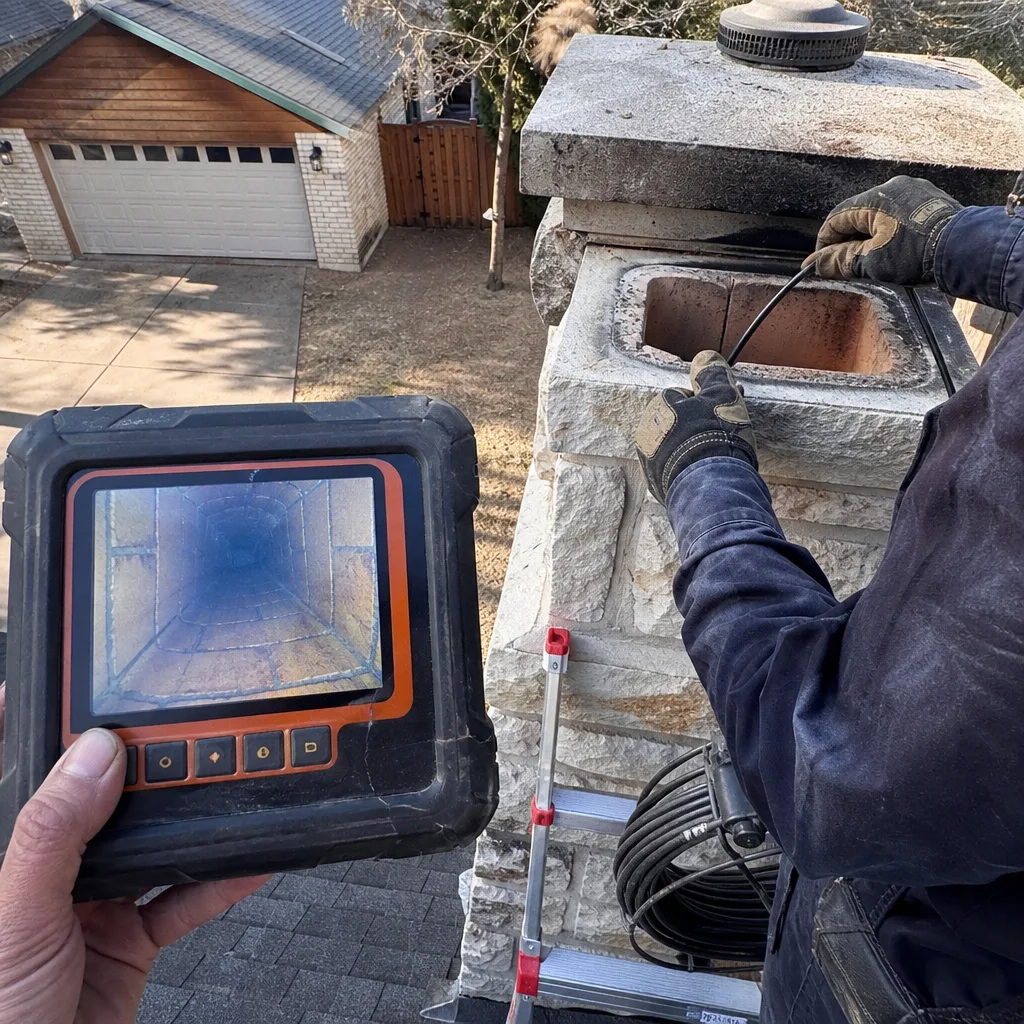
A Level 2 inspection is the industry-standard evaluation for a chimney that’s about to change hands, change fuel type, or has just had a significant event like a chimney fire. It goes beyond a visual Level 1 look with a camera run through the flue, and it produces the documented condition report that a buyer’s inspector, an appraiser, or an insurance carrier will ask for.
In a real estate transaction, Level 2 inspection does three things:
- Documents the current condition of the flue, firebox, crown, and cap with photos the buyer can see, which shifts the conversation from “the seller says it’s fine” to “here’s what the camera found.”
- Surfaces known defects for disclosure. Texas requires sellers to disclose known material defects. A chimney defect the seller has documentation of but doesn’t disclose is a problem; a defect documented and disclosed on a legitimate inspection report is a negotiation point.
- Flags unpermitted work. An inspector who sees a liner installed without a corresponding permit record may flag it to the buyer. That’s the scenario in the opening paragraph. It gets fixed by an after-the-fact permit and inspection, which costs time and money at the worst possible moment.
Our inspection reports include the camera footage and still images, so a buyer’s agent, an appraiser, and the city inspector are all looking at the same evidence. We work with professional-grade equipment because the report is only as useful as what it can actually show. If you’re in Irving and about to list, get the Level 2 before the buyer’s inspector does.
What “Code Compliant” Means on a Proposal and How to Check It
A proposal that says “code compliant” without naming a code, a listing, or a permit means very little. It’s a phrase, not a fact. When you see it on a chimney estimate, here’s what to verify before you sign.
- Which code edition is the contractor citing? The IRC edition adopted by the City of Irving, with the city’s amendments. Ask for the year.
- Which listing governs the product? If a DuraFlex liner is being installed, it carries a listing, and the installation manual specifies clearances, insulation requirements, and termination details. The proposal should reference the product by name and the installation method.
- Will a permit be pulled? If the answer is no, ask why not, in writing.
- Who inspects, and when? City inspection vs. company self-inspection are different things, and a permit means the city sees the work.
- What’s excluded? A “code compliant” proposal often quietly excludes the components that push the price up, like a new crown, a top plate, or cap replacement with a Gelco or Olympia Chimney product. A quote that reads code compliant but lists none of those isn’t quoting a complete job.
When we write an estimate for a chimney chimney repair job, the product names and the installation method are on the page, because the code question and the material question are the same question. “Code compliant” is what the installation produces, not a claim you add to a line item.
What Documentation a Contractor Should Pull for You
The documentation trail is what protects you at sale and at claim time. Here’s what should exist at the end of a permitted chimney project in Irving.
- The permit record. Address, scope, contractor name, and permit number on file with the city.
- Inspection sign-off. Proof the city inspector approved the work at the required stages.
- Product documentation. Manufacturer’s installation instructions for the liner or resurfacing system installed, along with any listing information.
- Inspection report with photos. A pre-work Level 2 inspection showing what was found and a post-work inspection showing the result. This is the file a buyer’s inspector will want to see.
- Written estimate and invoice. The scope as agreed, so the file shows what was and wasn’t done.
If a contractor can’t produce the permit when the work is done, you don’t have a permitted installation, and the city record is what a future buyer’s agent will check. Push for it.
Why Irving’s Housing Stock Makes This Matter More
Irving’s housing spans a wide range of ages and construction types, from mid-century masonry homes in neighborhoods like Old Irving to newer builds in Las Colinas with factory-built fireplaces. The chimney questions are different by era.
Older masonry chimneys often have clay tile liners that have served decades of wood fires. On a resale, a flue full of crumbling tile joints gets flagged fast, and relining is the fix, which means a permit. The alternative is a resurfacing system like HeatShield for flues that are structurally sound but have surface deterioration. Knowing which of those two applies is where a real inspection earns its place.
Newer factory-built fireplaces in the Las Colinas area carry their own listing and venting requirements. A homeowner adding a gas log set or converting to an insert may need new venting, which is a permitted alteration in Irving even though the fireplace itself doesn’t change.
Weather matters too. North Texas summers are hot and dry, and the A/C load in an Irving home runs a negative pressure differential that can pull warm air down a cool chimney. That doesn’t damage the chimney, but it’s a common reason a homeowner smells creosote in July. The chimney isn’t defective; the house is. The fix is usually a sealed damper or cap rather than a rebuild, which is a conversation worth having before a contractor quotes work the chimney doesn’t need.
Common Mistakes to Avoid
- Assuming all chimney work is maintenance. Cleaning and inspecting are typically permit-exempt, but relining and firebox rebuilds are construction work, and treating them as routine is how unpermitted improvements end up on a resale file.
- Self-permitting a contractor’s work. When you pull the permit in your own name, the inspection liability is yours. If the contractor’s installation fails the city inspection, you’re the one chasing the remedy.
- Accepting “code compliant” without a product name. A proposal that doesn’t name the liner or resurfacing system being installed is not a proposal you can verify against the code. Ask for the listing and the installation method.
- Skipping the Level 2 inspection before listing a house in Irving. The buyer’s inspector will order one anyway. Getting yours first gives you the evidence, the time to schedule any permit work, and a stronger position in the negotiation.
- Confusing a cap replacement with a full repair. A new Gelco cap solves a bird-and-rain problem, not a cracked crown or a damaged flue. If the quote is for a cap, the inspection should tell you what else the chimney needs.
- Leaving a factory-built fireplace modified without new venting. Changing the fuel or adding an insert on a listed appliance can void the listing unless the venting is updated to match, and that’s a permitted change in Irving.
- Ignoring a permit record because the work “looks fine.” The installation may be sound and the paperwork missing, and the paperwork is what a buyer’s agent looks at first.
See the difference
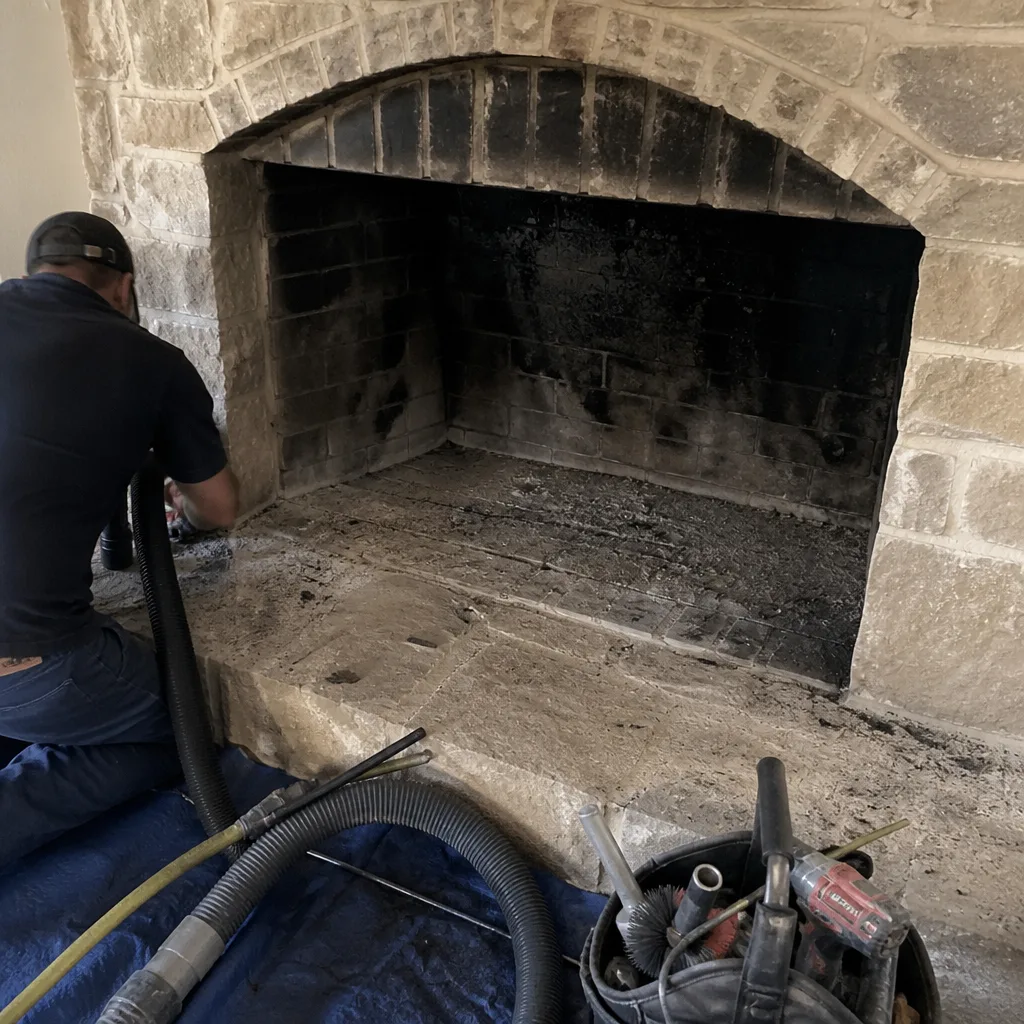 Before
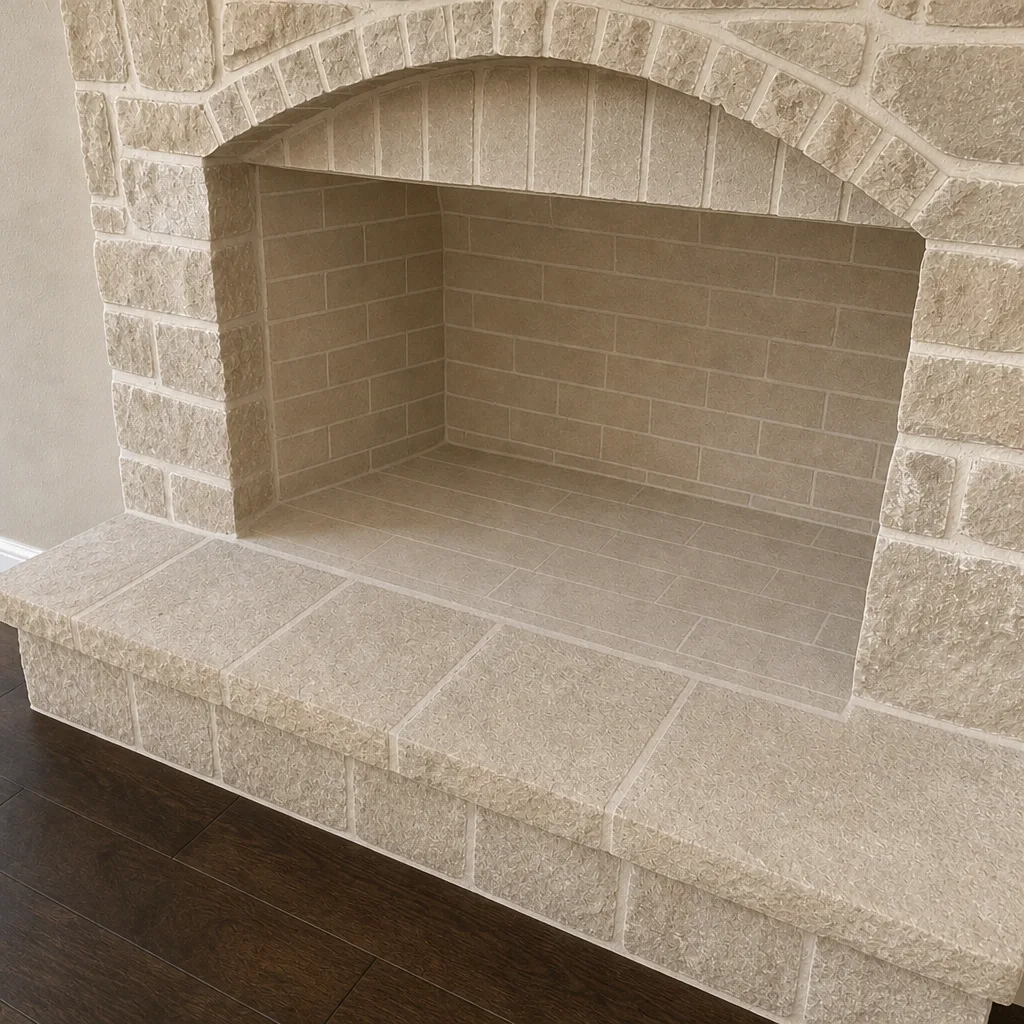 After
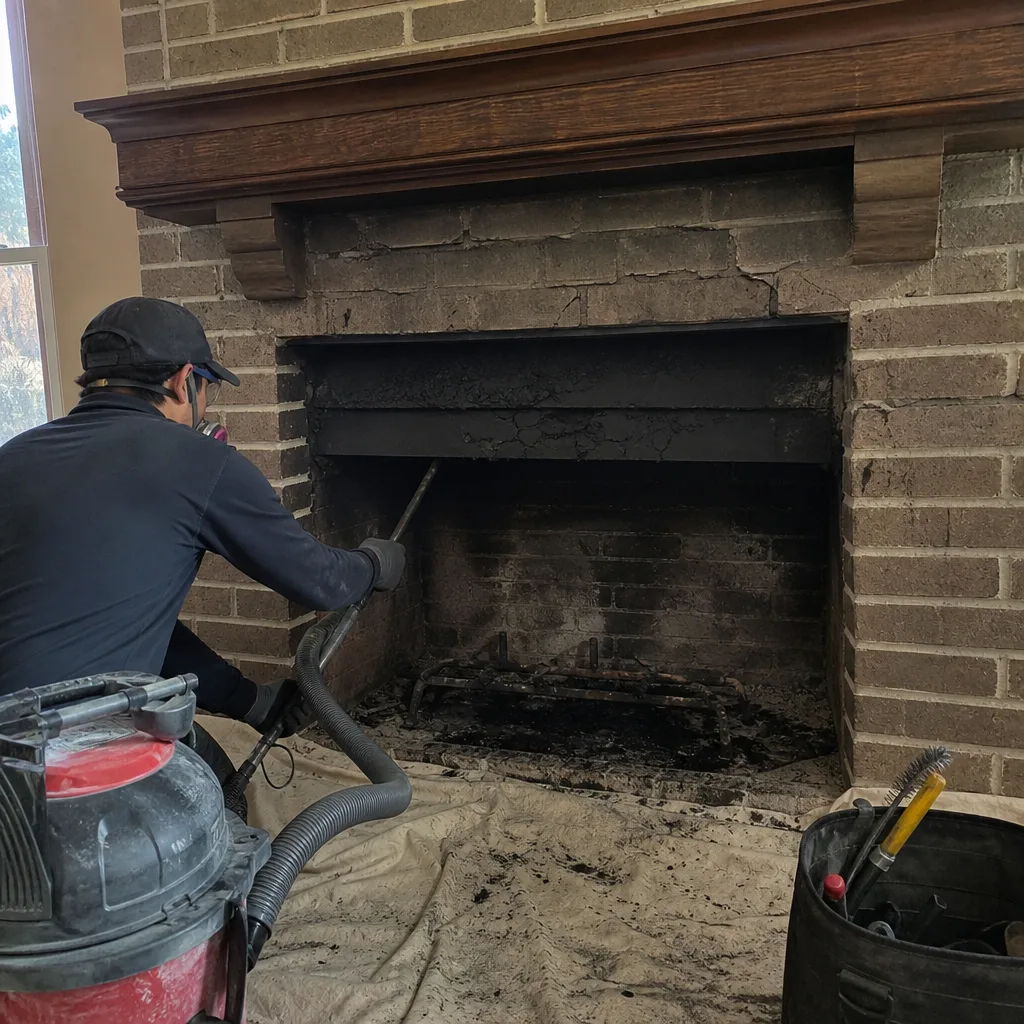 Before
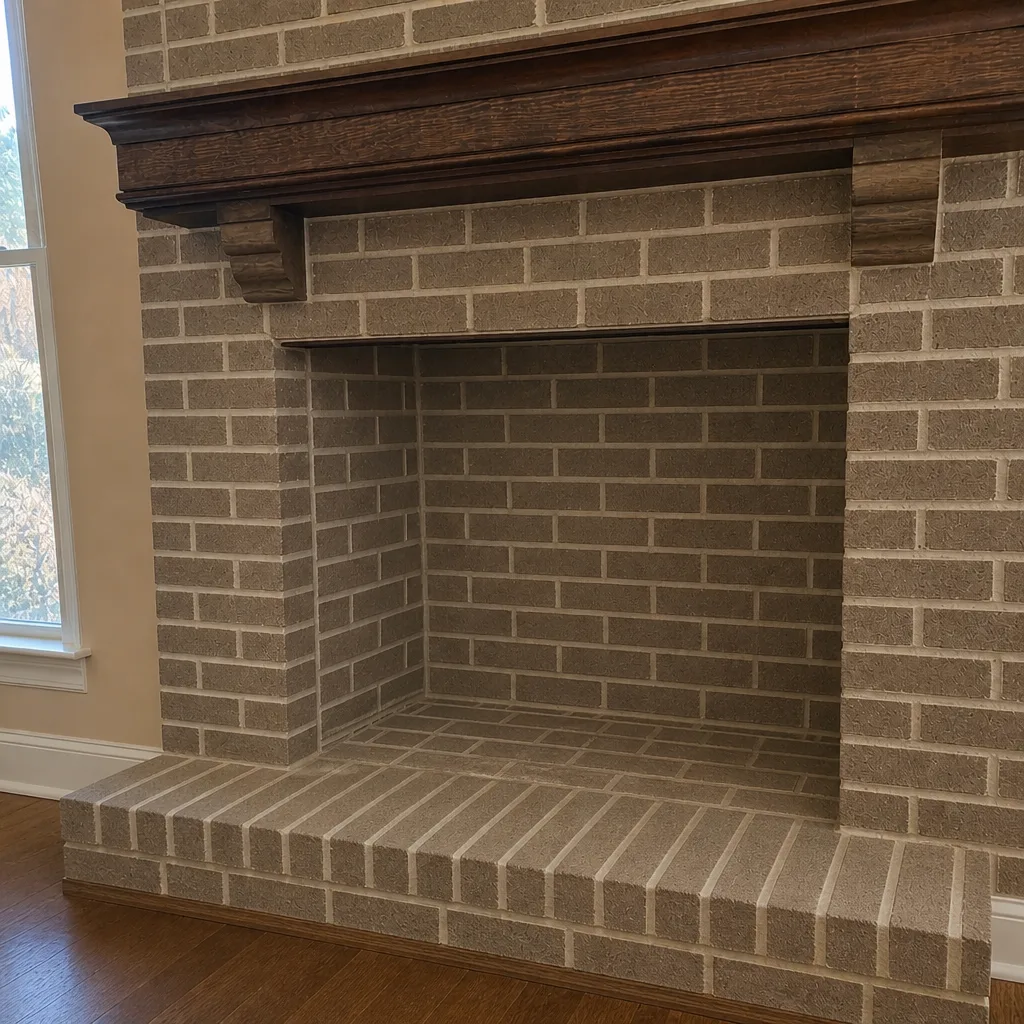 After
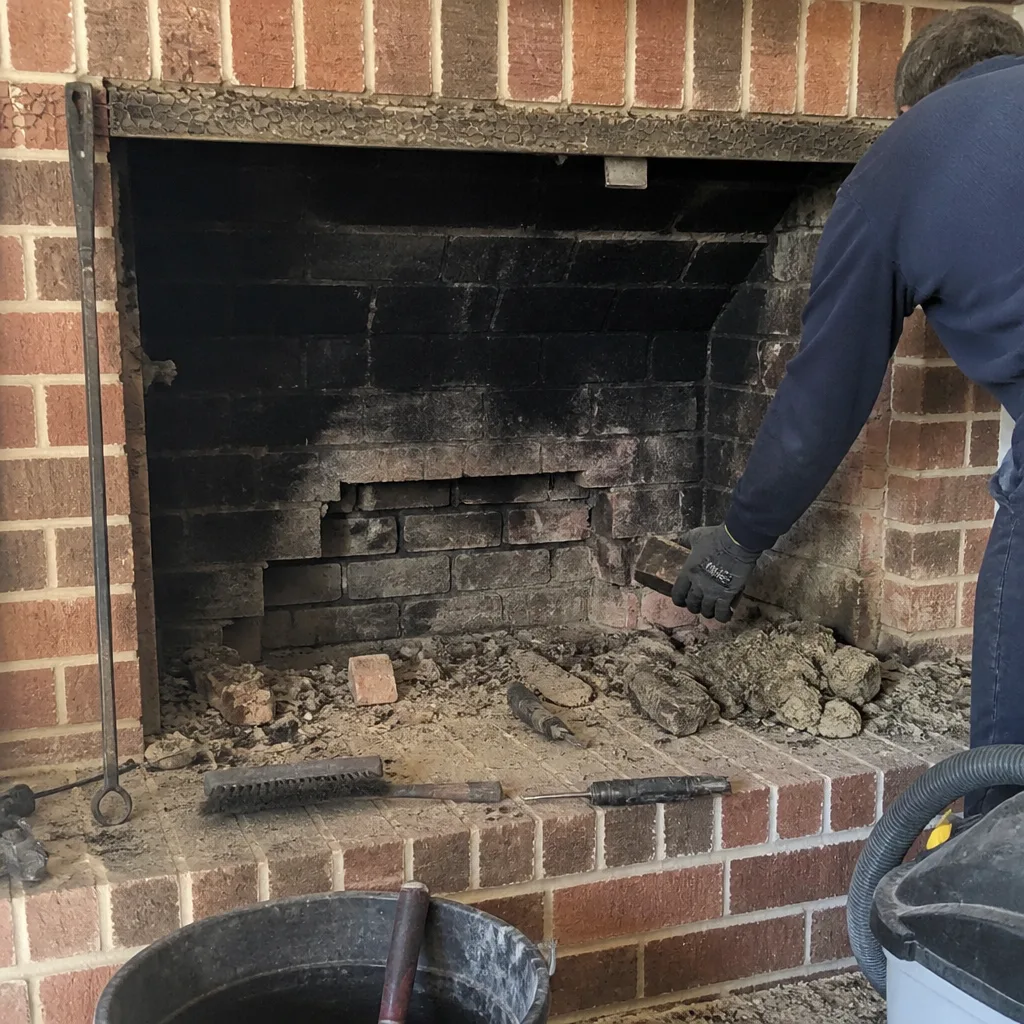 Before
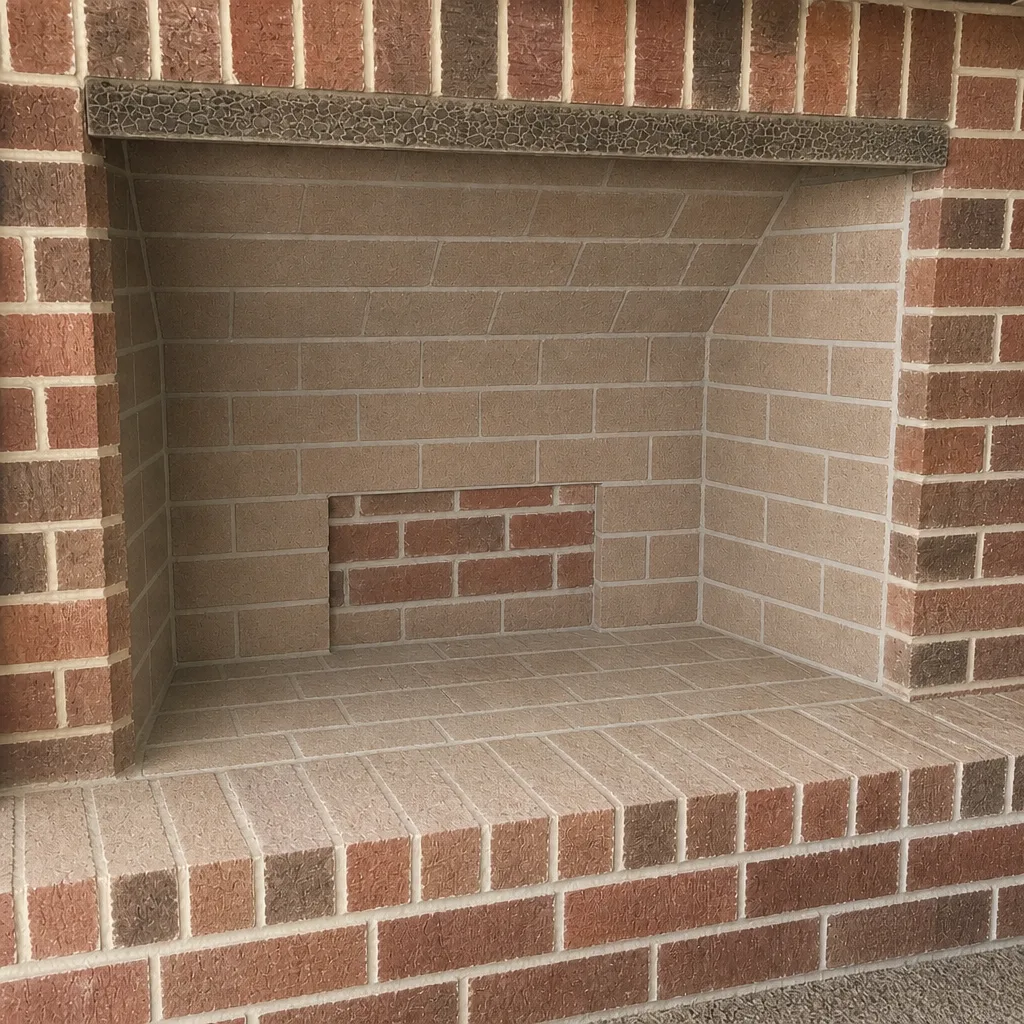 After
When to Call a Professional
Call a professional when the question is whether work needs a permit, because that question is answerable by someone who does the work every week. Call when a sale is coming up and you want a Level 2 inspection before the buyer’s inspector writes the report. Call when a contractor’s proposal mentions a liner, firebox, or new venting and you want a second opinion on whether the scope is complete and the permit is coming. Call when you’ve had a chimney fire, even a small one, because the flue needs a camera. And call when your chimney smells like creosote in the summer or your fireplace smokes on a cold morning. Irving Chimney Cleaning offers free estimates in Irving. Call (855) 955-5057. We answer 24/7, and fast dispatch runs 7am to 7pm, Sunday through Friday. Our technicians have up to 11 years of experience, and we work with professional-grade materials like DuraFlex and HeatShield, so the product on the proposal is the product on the installation.
Frequently Asked Questions
No. Routine chimney cleaning and inspection in Irving are maintenance and don’t require a permit. The permit question comes up when the work becomes construction, such as liner replacement, firebox rebuild, or new gas venting. Call (855) 955-5057 for a free estimate and we’ll tell you which category your job falls into.
Usually yes. A liner replacement is a change to a regulated appliance venting system, and it’s reviewed as construction work under the residential code. The contractor performing the work normally pulls the permit and the city inspects the installation. A contractor who says no permit is needed should be able to cite the code reason in writing.
Yes, but it can become a problem in the transaction. A buyer’s inspector who finds an unpermitted liner may flag it, and the fix is an after-the-fact permit and inspection. Getting the work permitted when it’s done, or getting a Level 2 inspection before you list, keeps the issue out of the closing.
A Level 1 inspection is a visual evaluation of the accessible parts of the chimney and firebox. A Level 2 adds a camera run through the flue and is the standard for a real estate transaction, a fuel-type change, or after a chimney fire. The camera is what shows liner joints, cracks, and offset problems a visual look can’t see.
It should mean the installation matches the adopted residential code, including Chapter 10 of the IRC, and the product’s listing and installation instructions. On a real estimate, that means the liner or resurfacing product is named and the permit and inspection are part of the scope. A proposal that says “code compliant” without those details isn’t telling you anything you can verify. Call (855) 955-5057 for an estimate that names the materials.
Check the permit record with the City of Irving’s building department and ask the contractor for the inspection sign-off. If you don’t have a paper trail, a Level 2 inspection gives you a documented starting point with photos. Once we’ve run the camera, we can tell you what’s there, what’s been changed, and whether any of it needs to be re-permitted.
The Bottom Line
The permit question in Irving isn’t a trick. Cleaning and inspecting your chimney is maintenance and doesn’t need paperwork. Replacing a liner, rebuilding a firebox, or altering gas venting is construction, and it needs a permit and a city inspection. The line between the two is where homeowners get caught, usually at the worst possible moment. If a contractor’s estimate says “code compliant” without naming the product or the permit, ask the question now. If you’re listing your home, get the Level 2 inspection before the buyer’s inspector does. And if you’re not sure which side of the line your job falls on, ask before the work starts, not after. Visit Irving Chimney Cleaning to learn more about what we do, and see our Double Oak service area if you’re just outside Irving.
Contact
If you’re in Irving and you want a straight answer on whether your chimney work needs a permit, we’ll tell you on the estimate. Call (855) 955-5057 for a free estimate. We answer 24/7, fast dispatch runs 7am to 7pm, Sunday through Friday, and the written estimate is the price.
Written by the team at Irving Chimney Cleaning.