
Last updated November 16, 2026
 Sweep & inspection
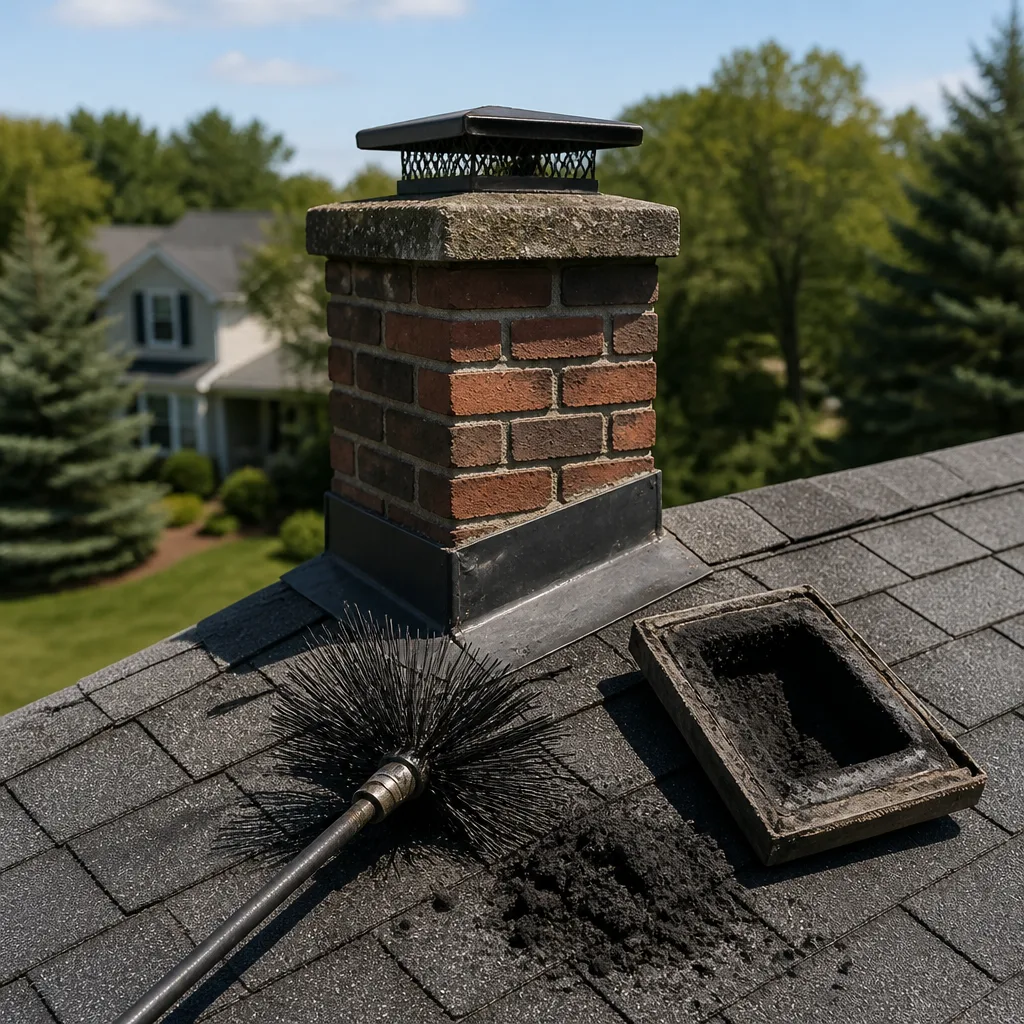
 Caps & crowns
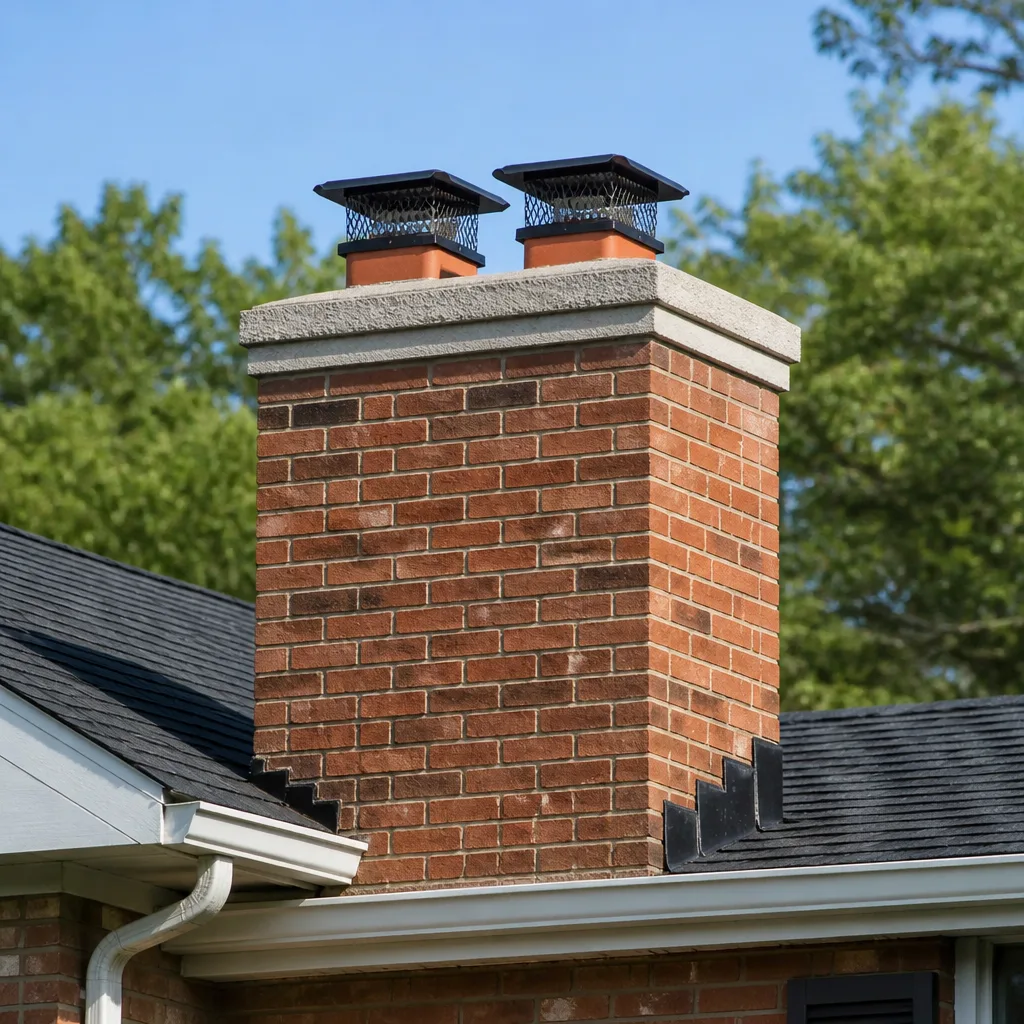
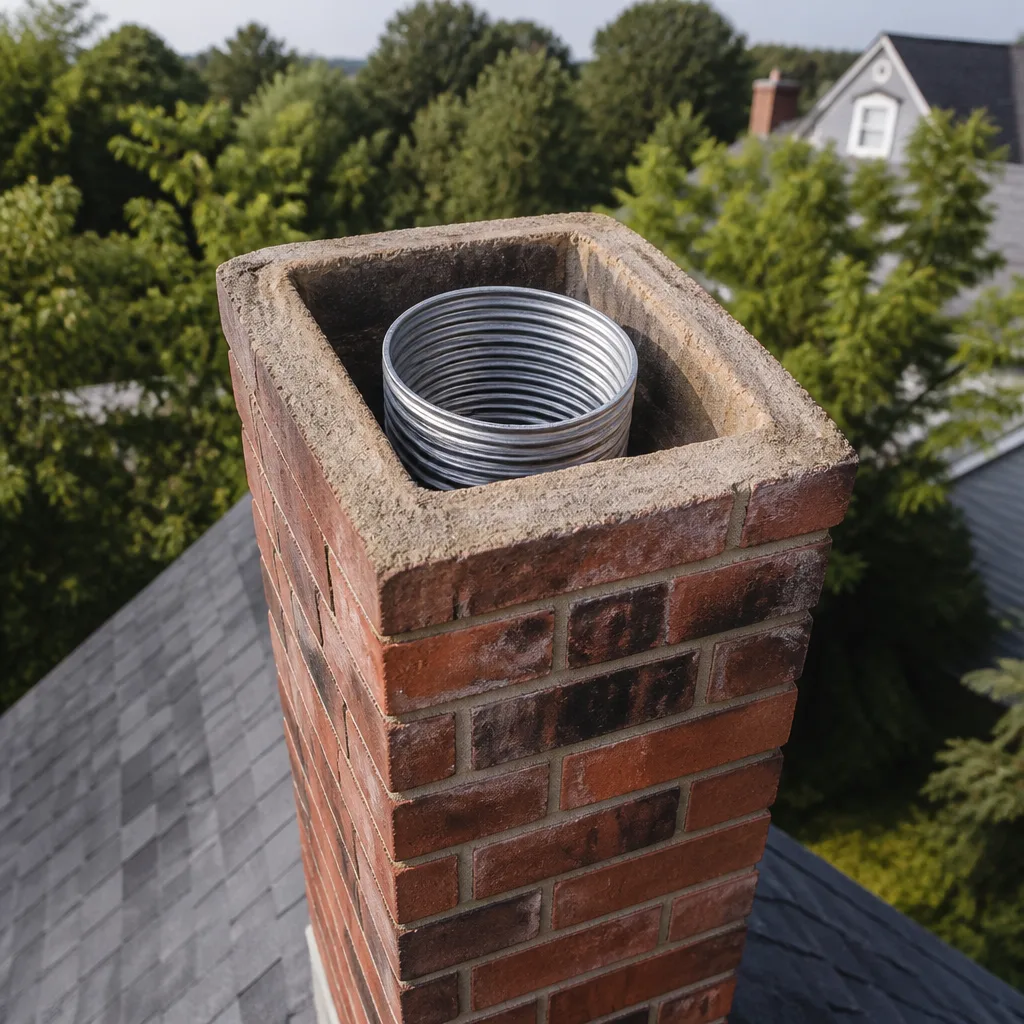 Flue relining
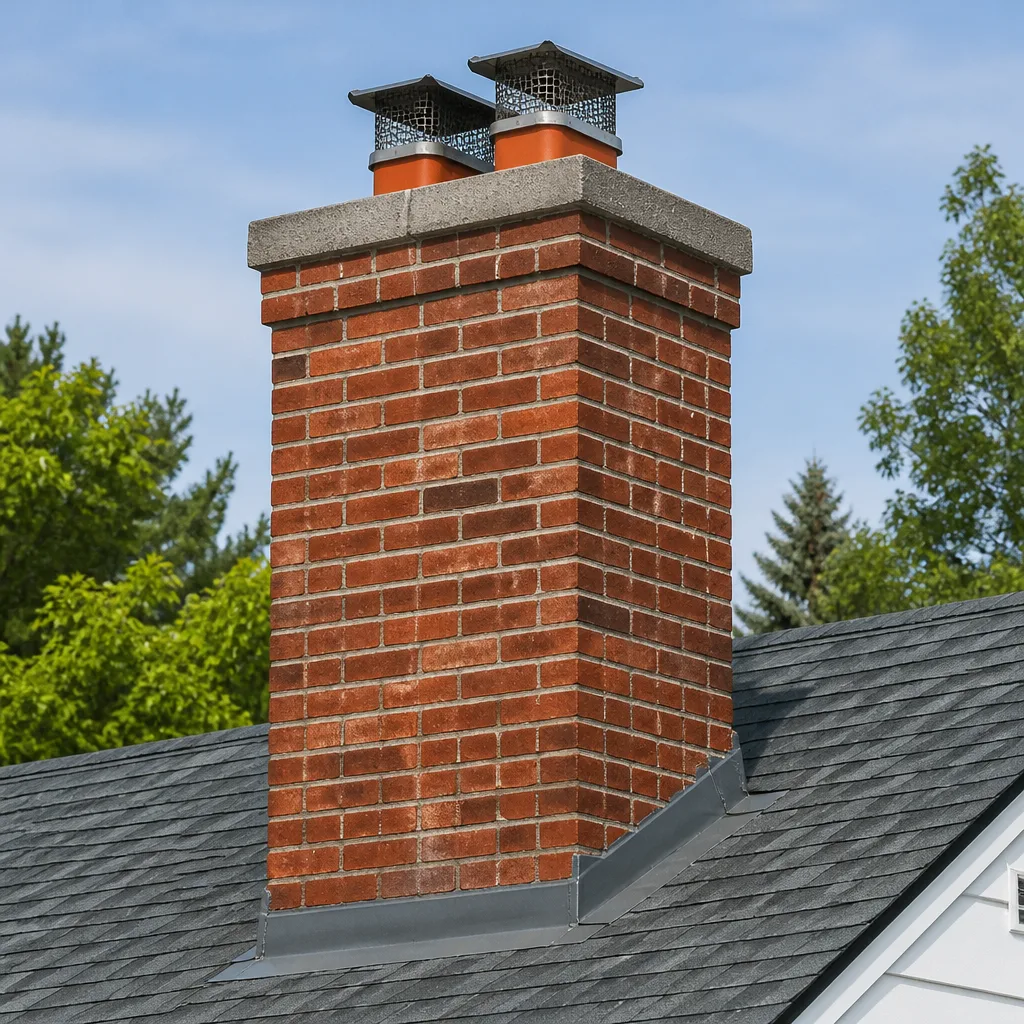 Masonry repair
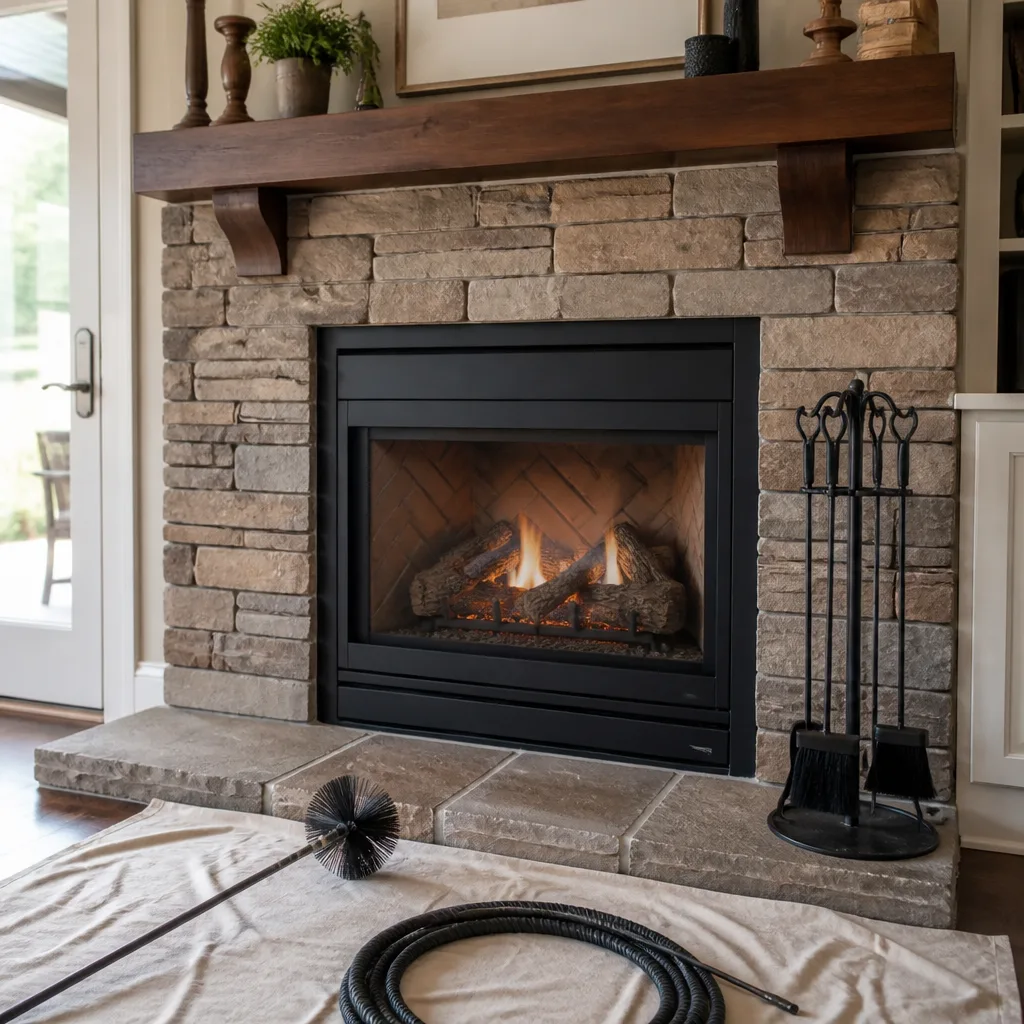 Gas fireplace service
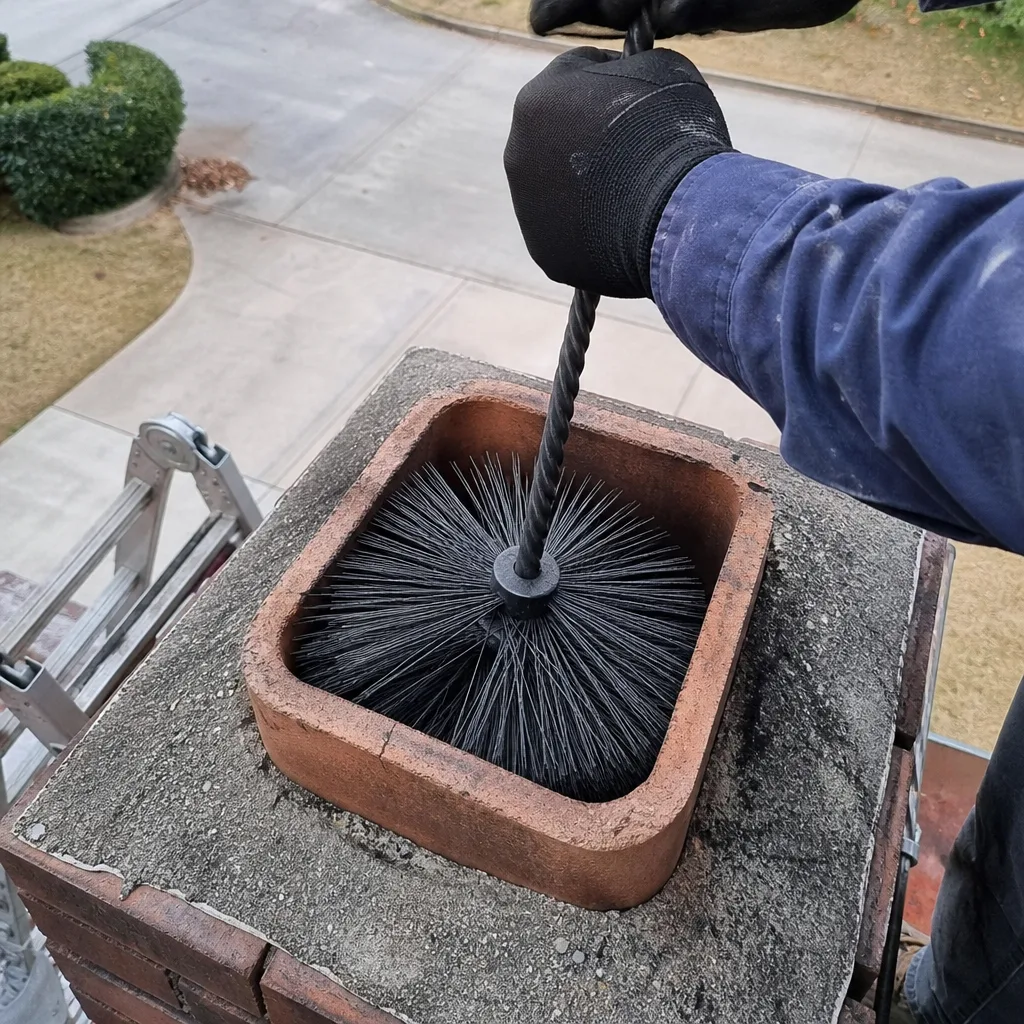
Level 1 sweep and inspection to the NFPA 211 annual standard - flue, crown, cap, and flashing checked and photographed
Chimney sweep logs do not sweep chimneys. They loosen some creosote - which then falls where a brush and vacuum still have to collect it.
Chimney Sweep Maintenance Schedule: What to Do and When
Most homeowners treat a chimney sweep like a car’s oil change: once a year, whenever it fits. That assumption is where trouble starts. The National Fire Protection Association’s code, NFPA 211, calls for an annual inspection of your chimney and venting system, but it never names a month. Sweep in October and you spend the entire winter riding on a flue you haven’t actually confirmed is sound. Sweep in April and you find the cracks, gaps, and loose crowns while there’s still warm weather to fix them. What follows is the schedule we use with homeowners across Irving, TX, broken down by fuel type, burn habits, and liner material, so you can stop guessing and start planning.
Quick Answer
The right chimney maintenance schedule depends on three things: what you burn, how often you burn it, and what your flue is lined with. At a minimum, every chimney needs an annual inspection and a sweep when there’s roughly a quarter-inch of creosote buildup. Wood-burning fireplaces usually need sweeping once a year, gas inserts still need annual inspection even though they cremate clean, and a homeowner burning unseasoned wood several times a week often needs a mid-season check that generic annual schedules never mention.
Styles & brands we work with
- Sweep & inspection
- Caps & crowns
- Flue relining
- Masonry repair
- Gas fireplace service
Table of Contents
- The Annual Standard: What NFPA 211 Actually Requires
- Month-by-Month Breakdown for Irving Chimneys
- Wood-Burning Fireplaces: The Standard Schedule
- Gas Inserts: Why “Clean Fuel” Isn’t a Free Pass
- Liner-Specific Schedules: Clay Tile vs. Stainless vs. Cast-in-Place
- How Burn Habits Change Your Timeline
- What Your Maintenance Log Should Actually Track
- Common Mistakes to Avoid
- When to Call a Professional
- Frequently Asked Questions
The Annual Standard: What NFPA 211 Actually Requires
NFPA 211 is the national standard governing chimneys and venting, and it asks for an annual inspection of the entire system, not just the flue. That distinction matters because most homeowners hear “annual sweep” and assume it’s the same thing as an annual inspection. It isn’t. A sweep removes creosote. An inspection tells you whether the masonry, cap, crown, damper, and liner are still doing their jobs.
Inspections are graded. A Level 1 inspection covers what’s visible in the firebox and the accessible portions of the flue, and it’s the right call when your setup hasn’t changed and you’re burning normally. A Level 2 inspection includes a camera run through the flue and is expected whenever a system has changed, a liner is being considered, or something has gone wrong. A Level 3 opens up concealed areas to address a known hazard. If you’ve never had a camera inspection on your Irving chimney, you may not know which one you’ve been paying for.
Here is what the annual appointment should actually cover:
- Visual check of the firebox, damper, smoke chamber, and flue
- Removal of creosote and soot down to the masonry surface
- Cap and spark arrestor inspection for blockage and damage
- Crown and chimney top evaluation for cracks and sealant failure
- Camera inspection of the flue when the system has changed or problems are suspected
- A documented summary you can keep and reference later
That documented piece is one reason we lean on professional-grade tools rather than a brush and a flashlight. Inspections we perform include a camera run and a written summary, so you can see what we see. It’s also how we avoid the scenario every homeowner dreads: being told a liner is failing with nothing to back it up. We work with Irving Chimney Cleaning materials like DuraFlex and HeatShield because they let us back up what a camera shows with a durable repair, not a guess.
Month-by-Month Breakdown for Irving Chimneys
Winters in North Texas are mild enough that many homeowners stretch the burn season into late fall and early spring, which means the best maintenance window is narrower than you’d think. Here’s how we break the calendar down for Irving chimneys.
Spring (March through May)
This is the ideal time for a post-season inspection. The fireplace is likely done for the season, the weather is warm enough for masonry work, and any cracked crown or failing mortar joint has months to be repaired before fall. You’ll also want the cap checked. A nest, a cracked cap, or a missing spark arrestor is a lot easier to handle in April than in November. If your chimney has never had a full inspection, spring is when we recommend scheduling your chimney sweep.
Summer (June through August)
Summer is repair season. Masonry repairs, crown rebuilds, moisture sealing, and liner work all move faster and last longer when applied in dry weather. If your inspection in the spring flagged any resurfacing or relining, this is when the job belongs. HeatShield resurfacing and DuraFlex relining both want a warm, stable cure window, and getting them done now keeps you on schedule for fall.
Fall (September through November)
Fall is when most homeowners think about their chimney. That’s fine, but it’s a tight window. The pre-season sweep and Level 1 inspection should happen before your first fire, not after. If we find a problem in October that needs a liner or a crown rebuilt, we’re now up against your first cold snap and a scheduling crunch that could be avoided.
Wood-Burning Fireplaces: The Standard Schedule
A wood-burning fireplace that gets regular winter use needs a sweep roughly once a year. If you’re burning a fire several times a week through the season, once a year is the minimum, and a mid-season inspection is often the smart move. The rule of thumb is a quarter-inch of creosote buildup, but most homeowners don’t have a convenient way to measure that inside their flue. This is where a camera inspection does real work: it shows you the actual state of the flue instead of asking you to trust a rule you can’t see.
Alongside the annual sweep, here’s what a wood-burning homeowner should be doing:
- Before every burn season – schedule the sweep and Level 1 inspection. Get it booked before fall.
- Mid-season – if you’re burning heavily, or noticing smoke rolling into the room, ask for a check. Don’t wait for spring.
- After every burn – empty the ash pan, check the damper, look at the firebox for new cracks or gaps.
- Once a year – have the cap and crown checked as part of the inspection. Small crown cracks let water in and turn into big masonry problems.
- Anytime you change fuel or the fireplace itself – anything from a new insert to a repaired damper warrants a Level 2 camera inspection.
If a sweep turns up a deteriorated flue, the fix isn’t another sweep. It’s relining or resurfacing, and that’s a repair decision made with the camera footage in front of you. When that repair is needed, our chimney repair work covers both relining and interior resurfacing so you’re not handing off the problem to a different contractor.
Gas Inserts: Why “Clean Fuel” Isn’t a Free Pass
Gas fireplace inserts burn clean, and that’s the source of the biggest maintenance gap we see. Homeowners hear “clean-burning” and assume the annual inspection doesn’t apply. It does. A gas insert still has a flue, and that flue still collects debris, nests, and moisture. The vent termination is still exposed to weather. The insert itself needs to be checked for proper venting, gas connection integrity, and any signs of corrosion. Carbon monoxide risk in a gas system comes from a blocked or compromised vent, not from creosote, but the risk is real and the inspection is what catches it.
For gas insert owners, the schedule looks different from wood-burning:
- Annual inspection of the flue and vent termination is standard, regardless of visible dirt
- Sweeping is less frequent because there’s little to no creosote, but the flue still needs camera inspection on a regular cycle
- Cap and vent inspection is more important than the sweep itself – birds and debris block gas vents with no visible sign inside the house
- If an insert was installed without a documented inspection afterward, ask for a Level 2 now
We work with Olympia Chimney and Copperfield venting components because gas systems have their own parts ecosystem, and a repair that mixes incompatible components can create a venting problem no sweep would catch. If you’re not sure the insert you inherited with the house was vented properly, the inspection is the answer, not an assumption.
Liner-Specific Schedules: Clay Tile vs. Stainless vs. Cast-in-Place
Not all liners age at the same rate, and conflating them is another reason generic schedules fail. Your liner determines how often you should be looking inside, and how aggressively.
Original clay tile liners
Clay tile is common in older Irving masonry chimneys, and it’s the liner type most likely to develop cracked joints or spalled surfaces over time. Annual inspection is the baseline, and a camera run every year or two is worth the cost once the liner is past its first decade. A cracked tile is a carbon monoxide pathway, so the schedule here is closer to annual-plus rather than annual-only.
Stainless steel liners (DuraFlex and similar)
A properly installed stainless liner is a long-term solution, but it still needs annual inspection and sweeping. Stainless systems hold up well, and the inspection is more about checking for joint separation at the top and bottom than it is about the liner’s surface. A camera look once a year is a good habit, and a mid-season check is warranted if you’re burning heavily.
Cast-in-place and resurfaced liners
Cast-in-place systems and HeatShield-resurfaced flues change the inspection picture. They’re smoother and often seal problems the original masonry had, but they still need annual inspection and camera checks to confirm the surface is holding. If a repair was made to the liner, the first year after is when we’d want a documented look back.
We work with DuraFlex and HeatShield because they’re the systems we trust to hold up to annual inspection over time. If you’re in an older home around Double Oak and don’t know what liner you have, the inspection is where that gets answered.
How Burn Habits Change Your Timeline
Two homeowners on the same street can be on completely different maintenance timelines, because burn habits drive the creosote load. Burning dry, well-seasoned wood is the single biggest factor. Burning unseasoned or “green” wood produces more creosote per fire, and a homeowner doing that twice a week needs a mid-season check that an annual-only schedule would miss entirely.
Here’s how to think about your own burn pattern:
- Light use (a few fires a month) – annual sweep and inspection are usually sufficient, provided the wood is dry.
- Regular use (a fire several times a week) – annual sweep plus a mid-season visual or camera check.
- Heavy use with unseasoned wood – annual sweep, a mid-season camera check, and a conversation about your wood storage before the season starts.
- Occasional decorative fires with a gas insert – annual inspection is still required; the sweep interval at this use level is longer, but the flue still gets checked.
We see more mid-season issues in homes burning fireplace-shaped wood from a big-box store than we do in homes buying from a local firewood supplier who knows what seasoned wood means. That’s not a sales pitch, it’s a schedule question. If your burn pattern is heavier than the annual cycle allows for, ask for a mid-season check and we’ll tell you what we find.
What Your Maintenance Log Should Actually Track
A simple maintenance log is one of the most useful things a chimney owner can keep, and it’s one of the least common. At resale, it’s often the difference between a buyer’s inspector finding an undocumented flue and the buyer knowing the system was maintained on a schedule with documented evidence. What to actually record:
- Fuel type (wood, gas insert, pellet, mixed use)
- Rough burn hours or fire count per season
- Weather events that could affect the chimney (hail, high wind, a nearby tree removal)
- Any odor, smoke roll-back, or draft anomaly, with the date you noticed it
- Every sweep, inspection, and repair with date and result
- Brand and type of any liner, cap, or vent component installed
That last item is more valuable than homeowners realize. If a prior owner had a DuraFlex liner or a Famco cap installed and left no record, the next inspection is a discovery process. When your inspector has documentation of the brand and installation, they can inspect it faster and with more confidence. A log is also how you avoid recommending repairs that were already done.
Common Mistakes to Avoid
- Sweeping once a year and calling that the schedule. An annual sweep without an annual inspection skips the parts of the system that actually fail. The inspection is what protects you from carbon monoxide and fire risk.
- Skipping the inspection because the fuel is gas. A clean-burning insert still needs annual inspection of the flue and vent. Blocked venting is the real hazard, not creosote.
- Waiting until October to schedule. Fall is a crunch. Booking the sweep in spring or early summer gives you room to schedule any repairs without racing the first cold night.
- Burning unseasoned wood because it’s on sale. It’s a discount on the log and a bigger creosote load per fire. That means a mid-season check you didn’t budget for, or worse, a repair.
- Ignoring the cap and crown. Water intrusion through a cracked crown is one of the most common causes of masonry deterioration we see. It costs less to fix than to rebuild.
- Assuming the flue is sound because the fire burns fine. A fireplace can draft well with a cracked liner. The fire doesn’t warn you, the camera does.
- Not keeping records. No log means every inspection starts from scratch, and at resale you can’t show the maintenance history a buyer’s inspector will ask for.
When to Call a Professional
Call a chimney professional if you’ve moved into a home where the last inspection date is unknown, if you’ve changed the fireplace or a vent component since the last inspection, if you’re seeing smoke roll into the room, if the firebox shows cracks or gaps, or if you’ve noticed a persistent odor during the off-season. And schedule the annual sweep and inspection regardless of whether anything seems wrong. Sweeping, repair, and inspection are the three services we specialize in, and the schedule works best when all three live under one roof. Irving Chimney Cleaning offers free estimates in Irving with fast dispatch from 7am to 7pm. Call (855) 955-5057. We answer 24/7.
Frequently Asked Questions
Most wood-burning fireplaces in Irving should be swept once a year, and gas inserts with a clean-burning flue can go longer between sweeps but still need an annual inspection. The quarter-inch creosote rule is the threshold, and a camera inspection is the reliable way to know where you stand. Call (855) 955-5057 for an exact quote.
Yes. A gas insert burns clean, but the flue and vent termination still collect debris and still need to be checked for proper venting and any signs of corrosion. Blocked gas venting is a carbon monoxide risk, and the annual inspection is what catches it. Call (855) 955-5057 for an estimate.
Spring is the best time to schedule a chimney sweep, because your flue is off duty, the weather is dry, and any repairs the inspection uncovers have months to be completed before fall. Fall is the most popular month, but it’s also the tightest scheduling window of the year. Call (855) 955-5057 for an exact quote.
You need a new liner only if the inspection shows your current liner is cracked, spalled, or separating, and the camera footage is what tells you that. If it doesn’t show that, we say so. A chimney professional should be able to show you the footage, and the repair should be justified by what’s in it, not by a sales script. Call (855) 955-5057 for an estimate.
Clay tile liner shows visible joints and a reddish-brown surface, stainless liner is a smooth metal tube, and a cast-in-place or HeatShield-resurfaced liner has a smooth integrally formed surface with no tile joints. If you don’t know what you have, a camera inspection answers it in the same appointment that answers everything else. Call (855) 955-5057 for an estimate.
Most years, nothing. That’s what makes skipping it easy. But a cracked liner or a water-damaged crown doesn’t announce itself between inspections, and by the time it does, you’re often looking at a repair that could have been caught earlier and cheaper. The inspection is the cheapest part of chimney ownership, and it’s what keeps the schedule honest. Call (855) 955-5057 for an exact quote.
The Bottom Line
A single annual sweep is the minimum, not the standard. The right schedule depends on what you burn, how often you burn it, and what your liner is made of, and any maintenance plan that doesn’t account for all three leaves gaps that show up as expensive repairs. Book the inspection in spring, handle repairs in summer, and sweep in fall before the first fire. Keep a log, know your liner, and treat a camera inspection as the tool that turns a recommendation into evidence. If you’re due for a sweep, an inspection, or a repair, Irving Chimney Cleaning handles all three under one roof. Call (855) 955-5057. We answer 24/7. Fast dispatch from 7am to 7pm, Sunday through Friday.
Written by the team at Irving Chimney Cleaning.
See the difference
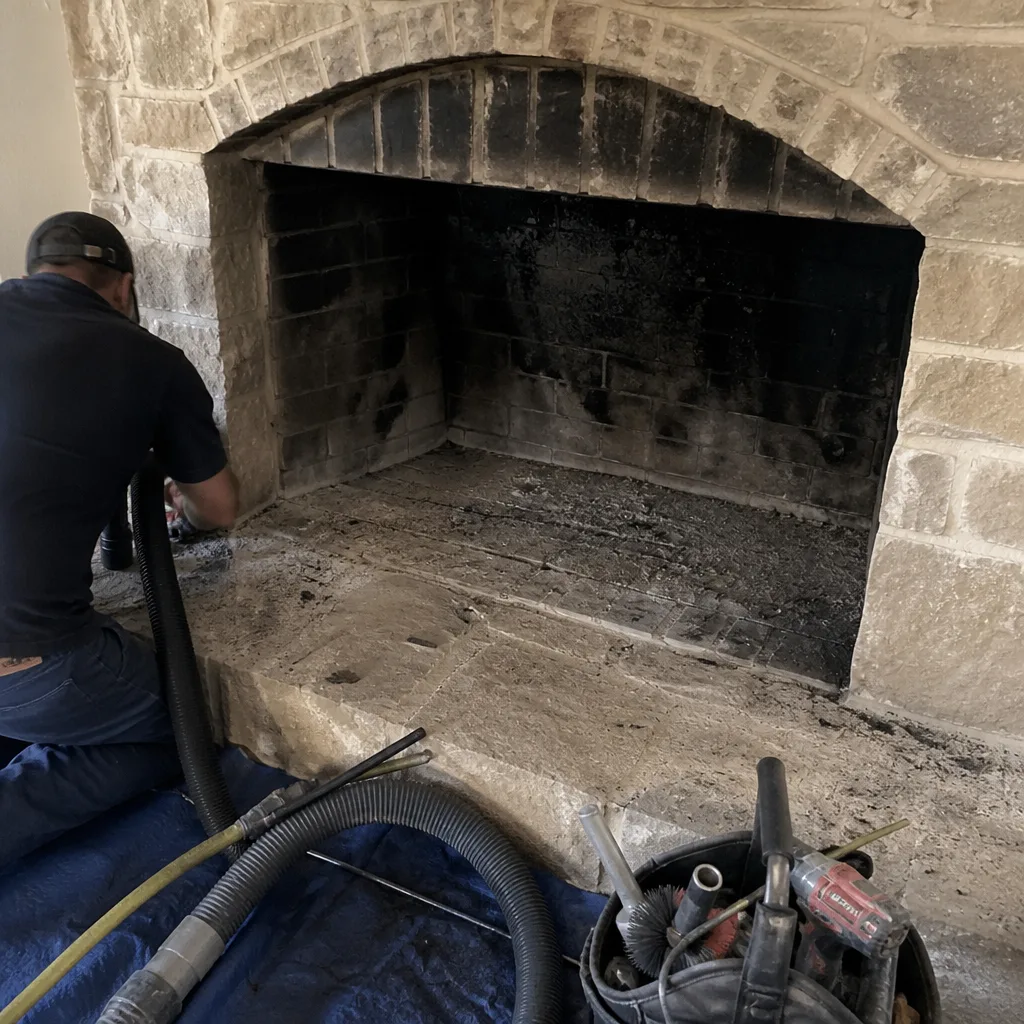 Before
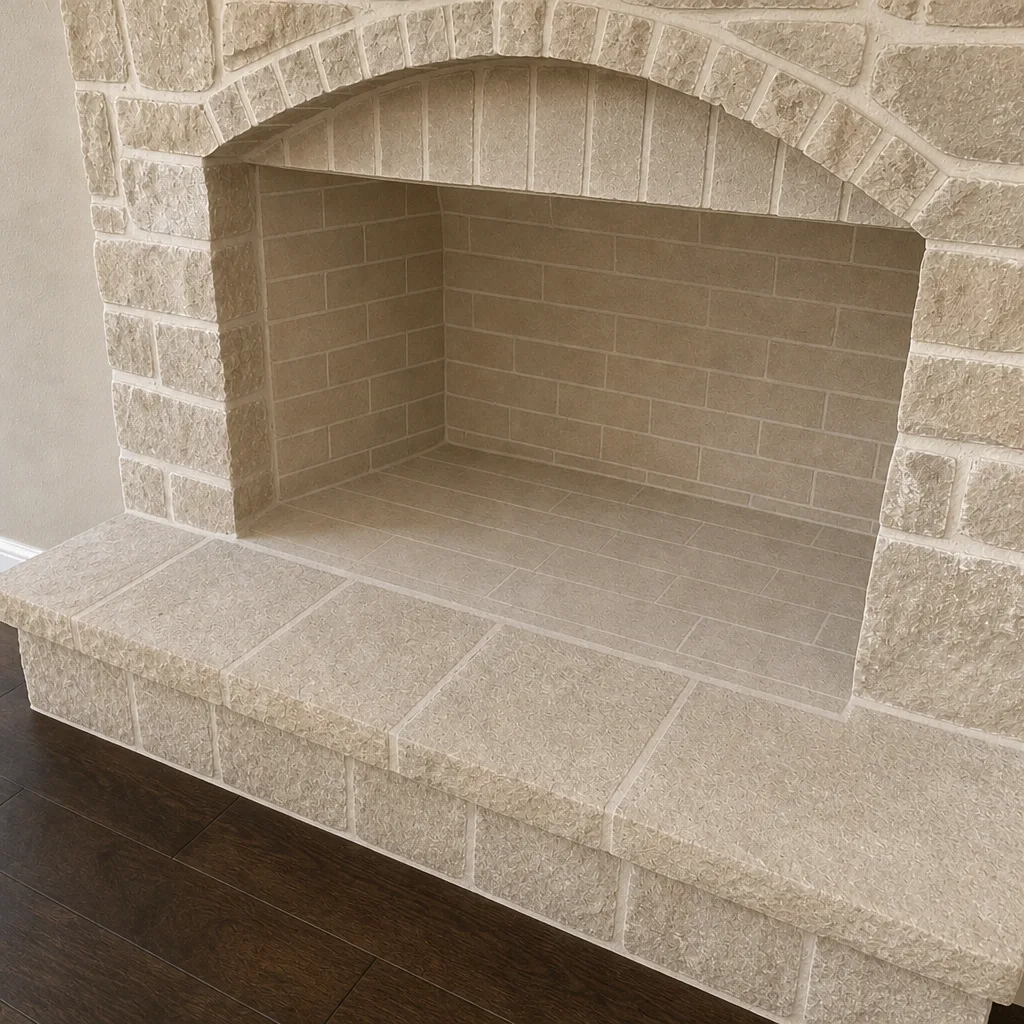 After
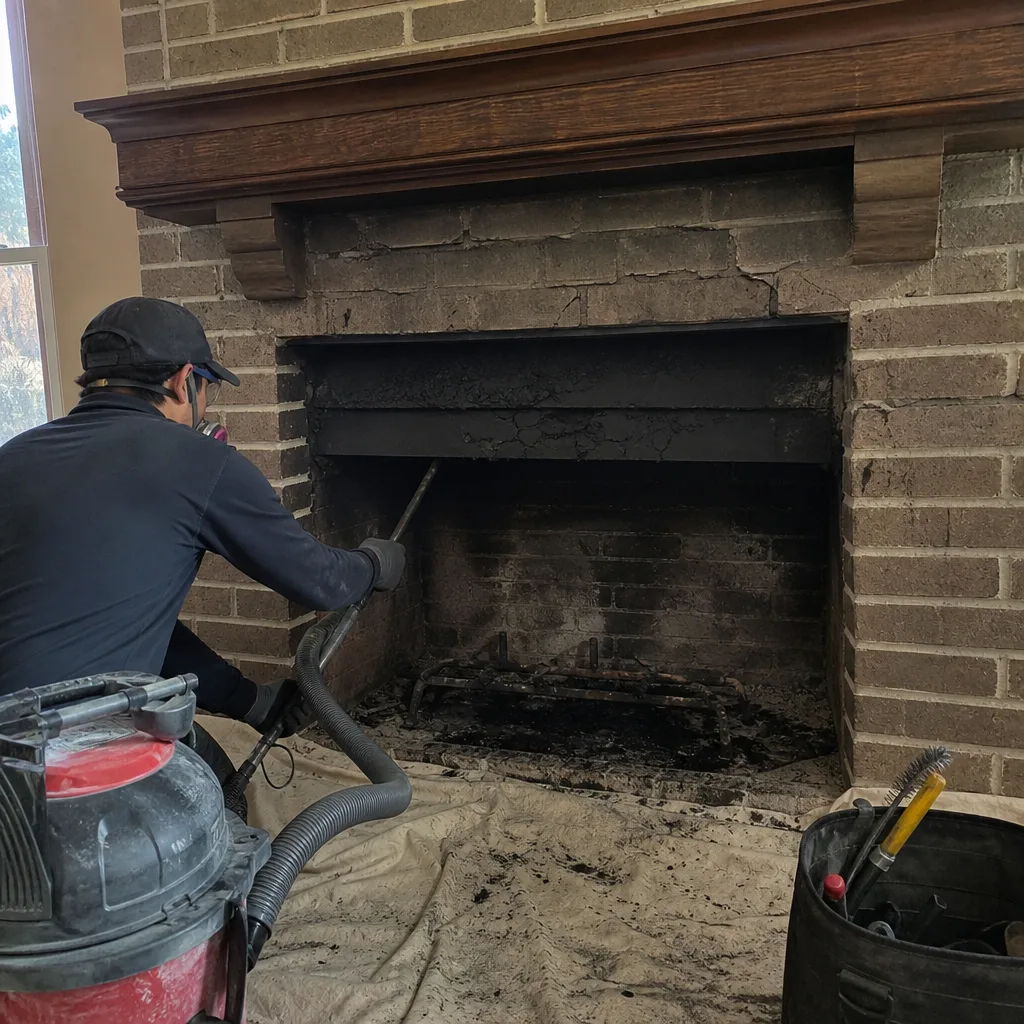 Before
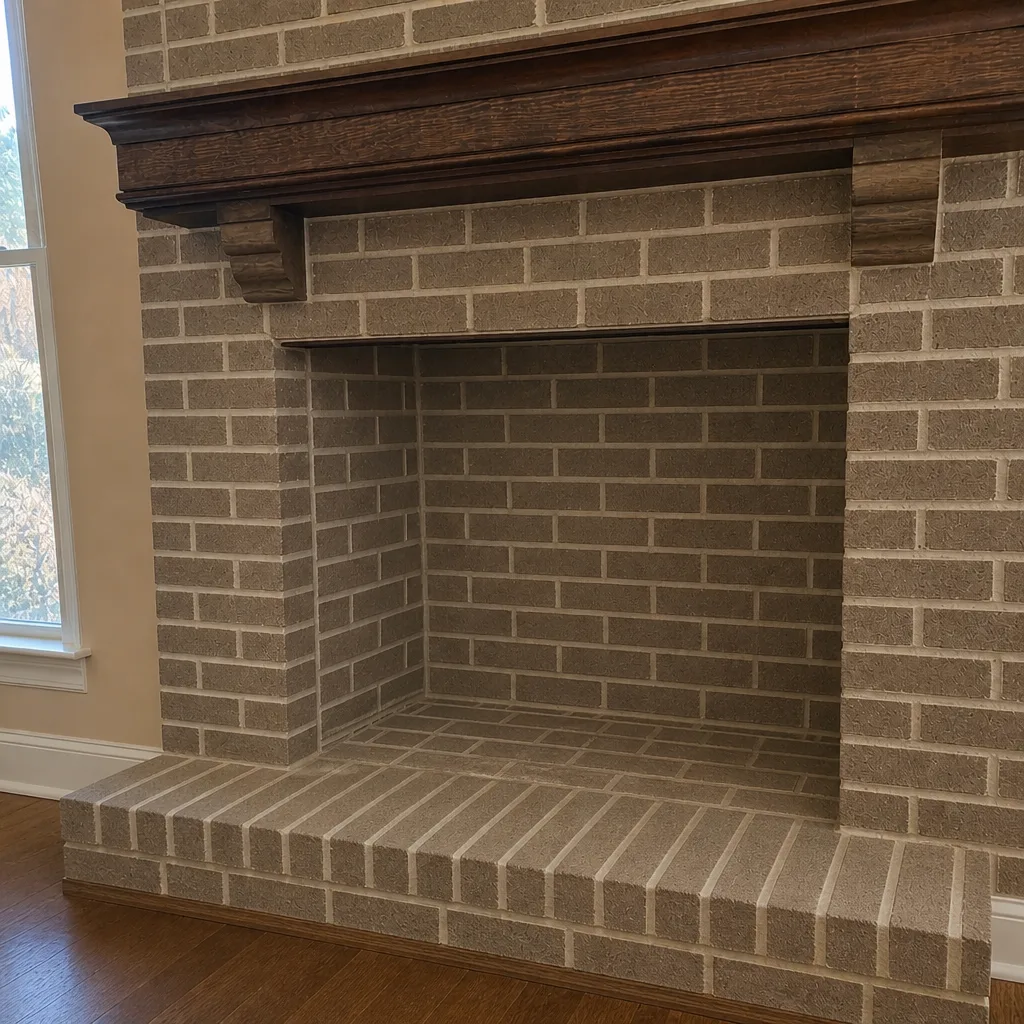 After
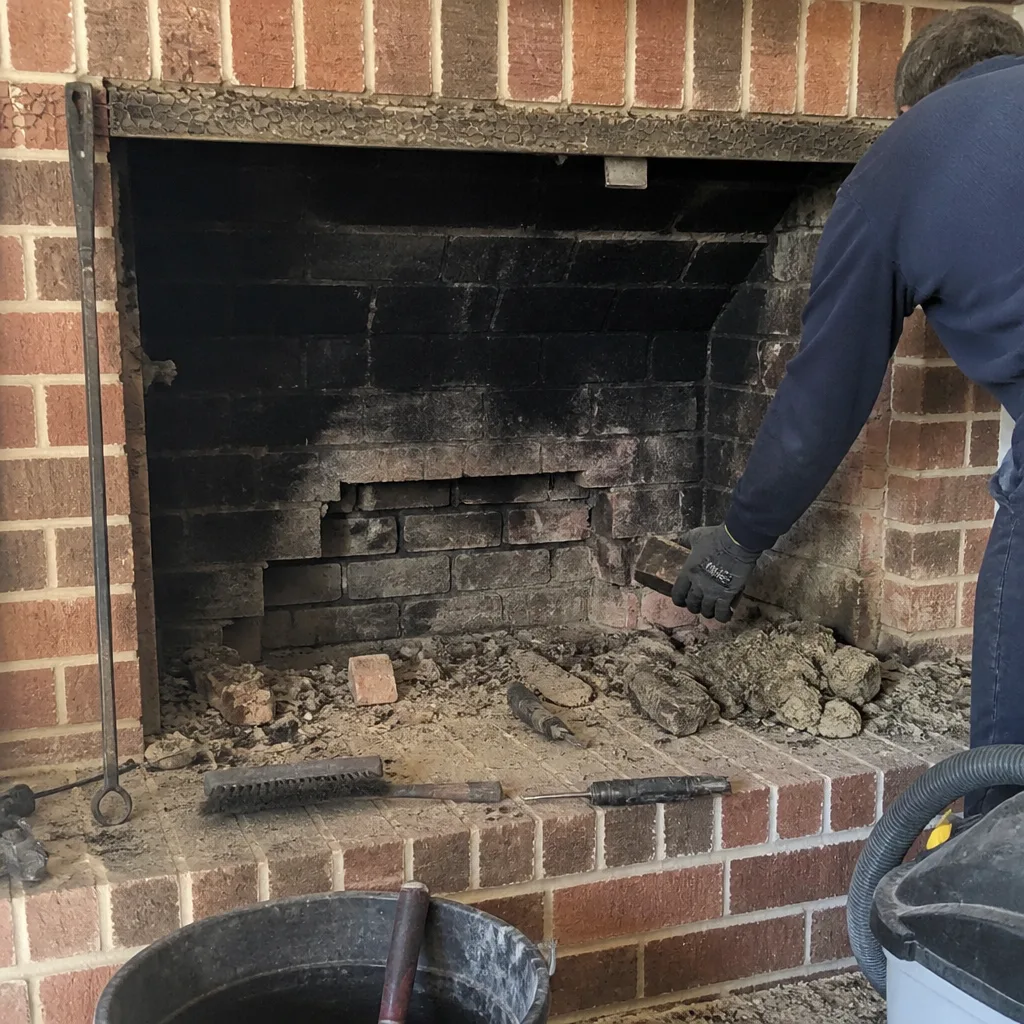 Before
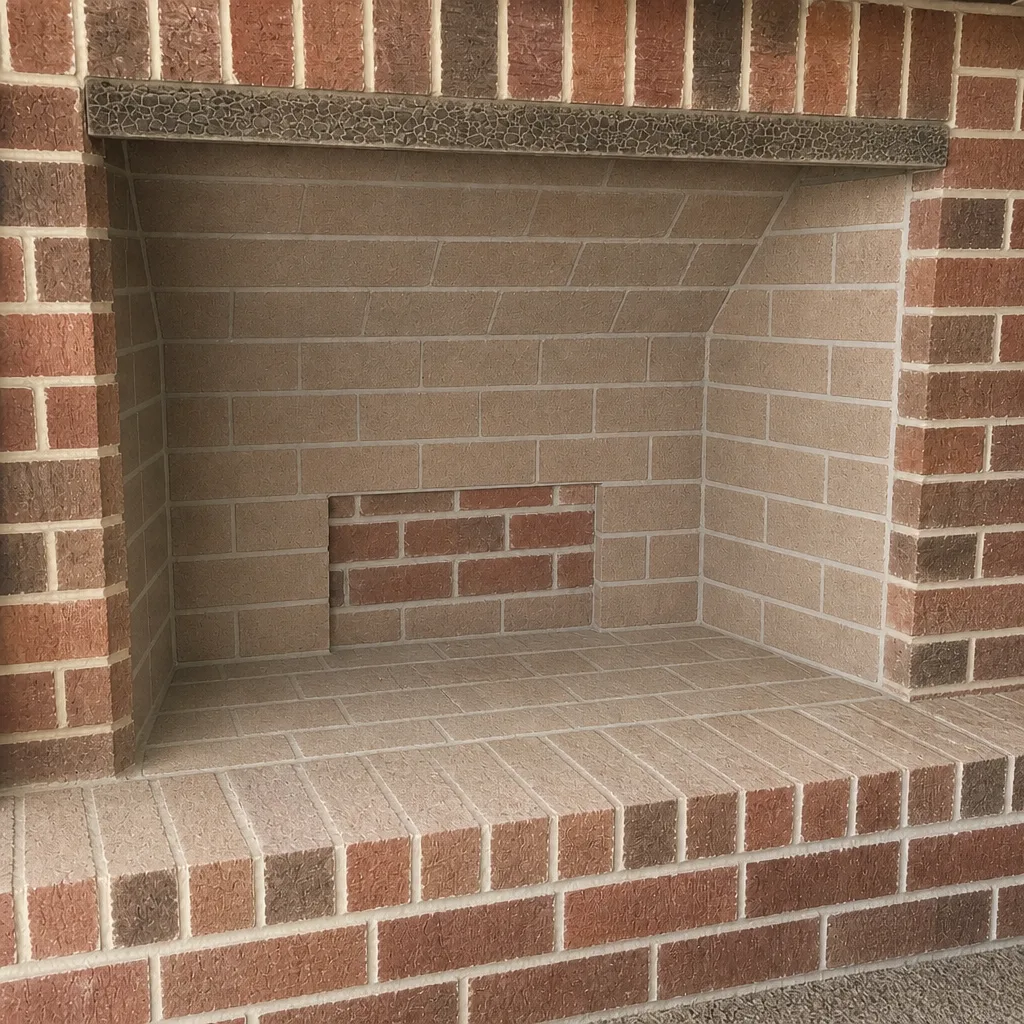 After