
Last updated November 16, 2026
 Sweep & inspection
 Caps & crowns
 Flue relining
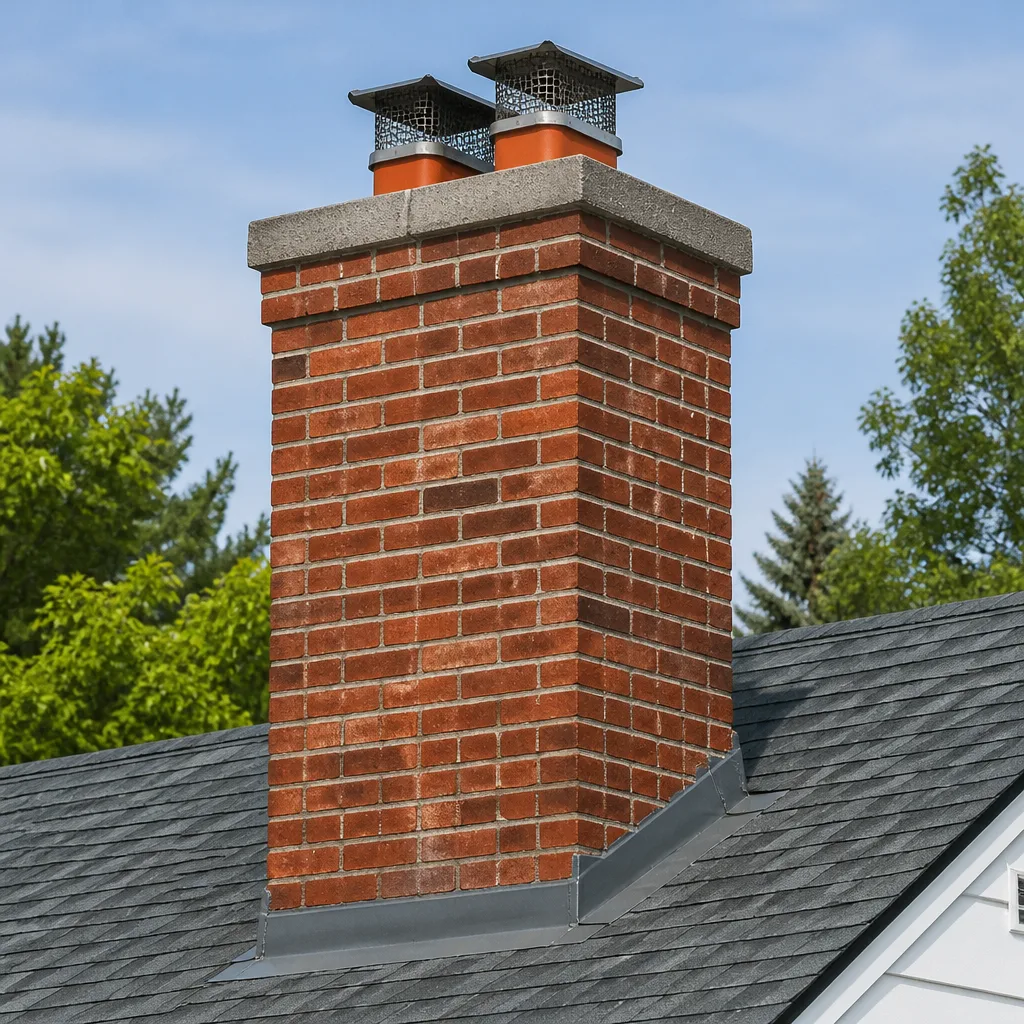 Masonry repair
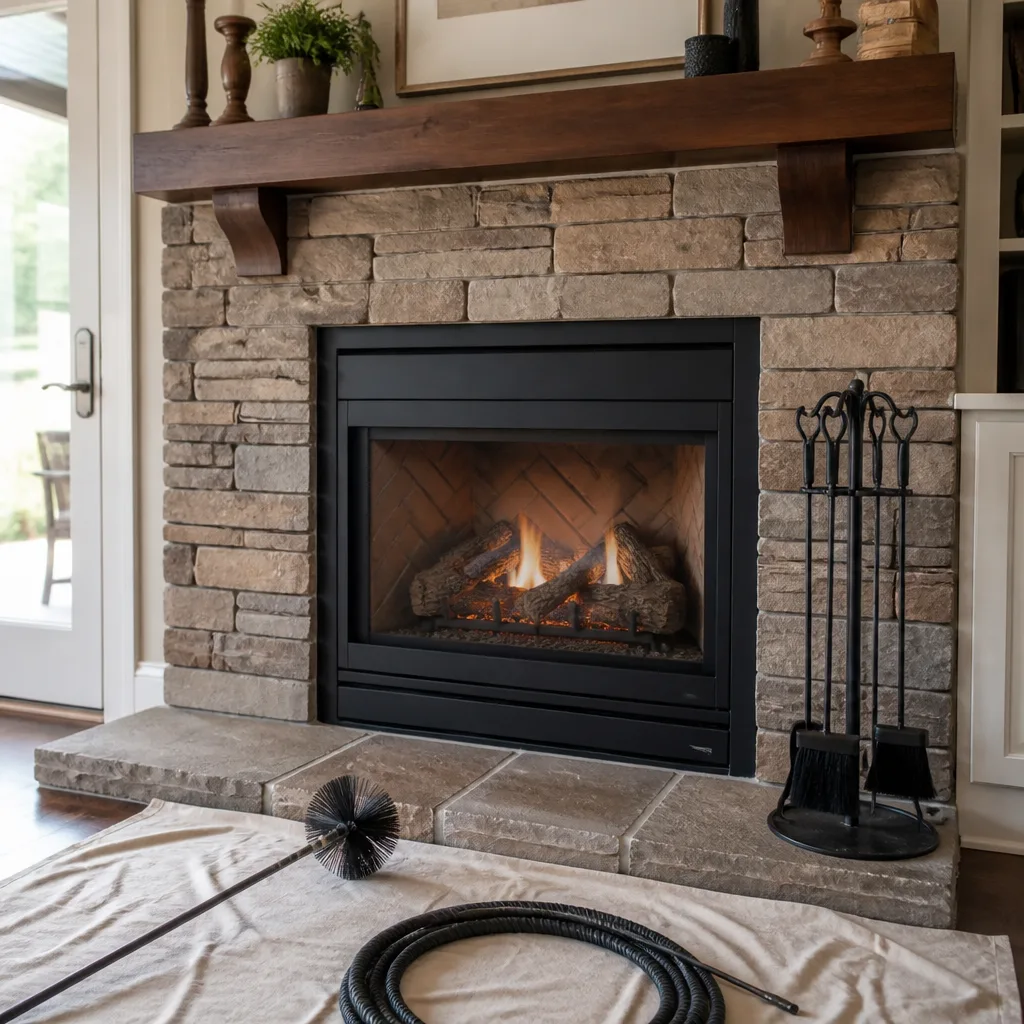 Gas fireplace service
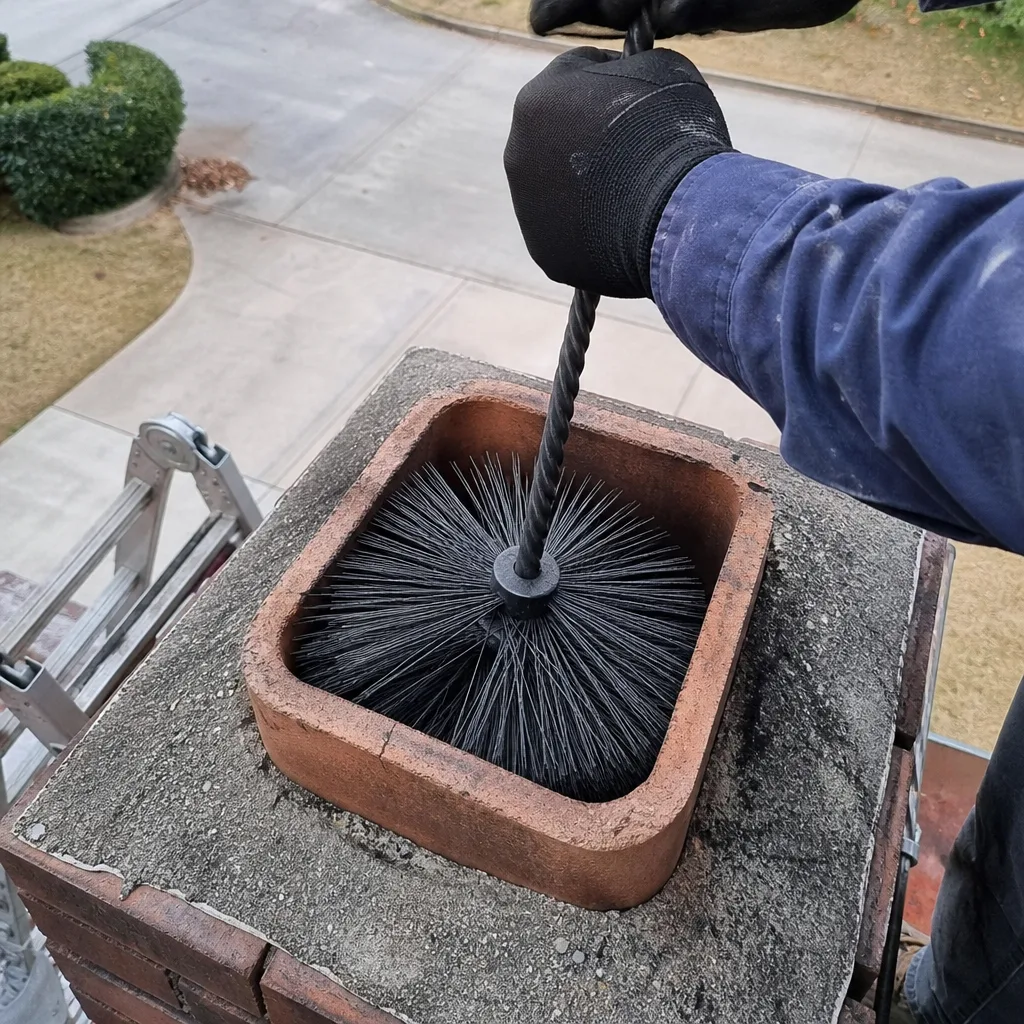
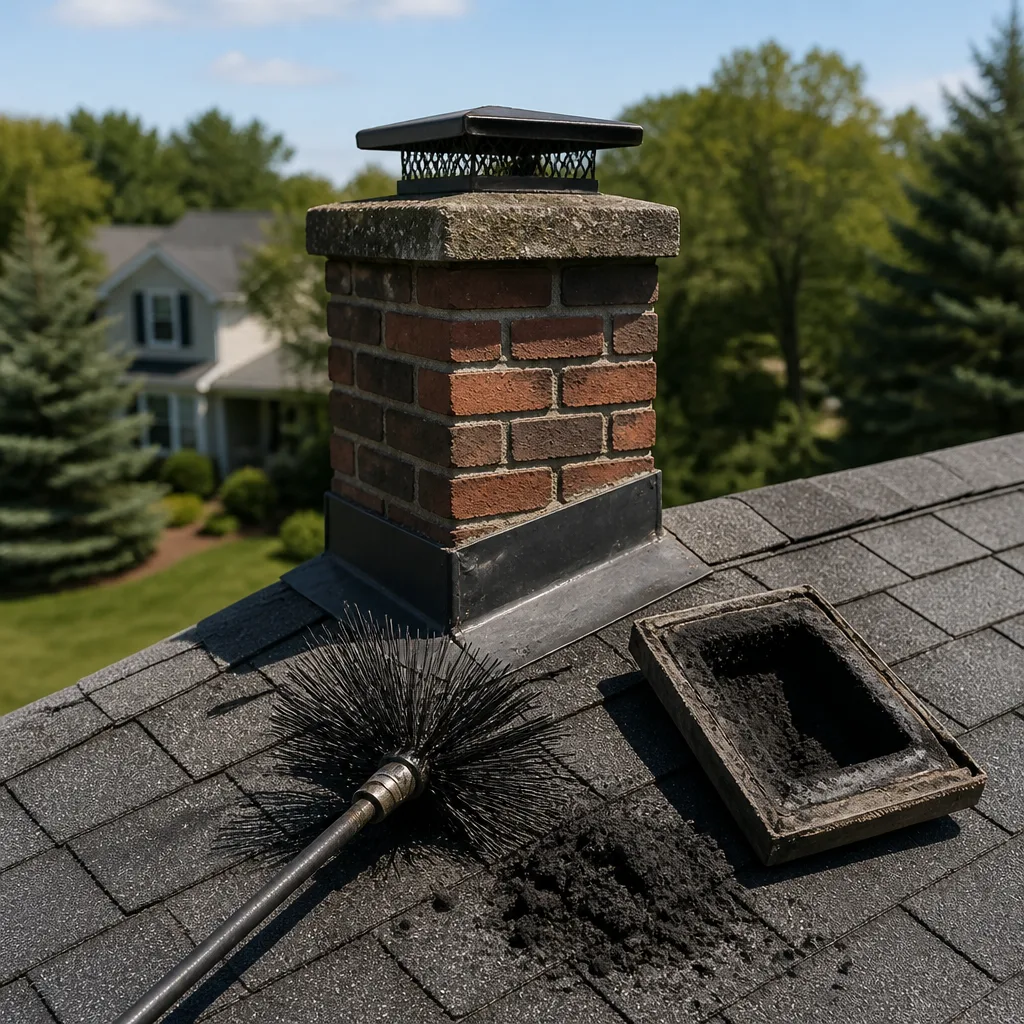
Level 1 sweep and inspection to the NFPA 211 annual standard - flue, crown, cap, and flashing checked and photographed
Chimney sweep logs do not sweep chimneys. They loosen some creosote - which then falls where a brush and vacuum still have to collect it.
Choosing the Right Chimney Cleaning Brand: A Buyer’s Guide for Irving
When a contractor quotes you a “stainless liner installation,” that could mean four different products at three different quality tiers, and the proposal probably doesn’t specify which one. That’s the gap most Irving homeowners never think to check. The brand question in chimney work isn’t about which logo is on the van. It’s about which professional-grade materials get specified in writing before anyone touches your flue. In this guide, we’ll walk through the product lines that show up in legitimate chimney repair, how to force a contractor to name them, and why a company that can’t repair what it finds has a quiet reason to underdiagnose.
Quick Answer
Choosing the right chimney cleaning company in Irving comes down to whether the contractor specifies professional-grade materials by brand and product name, can install and stand behind what they recommend, and offers repair and inspection alongside sweeping. A crew that only sweeps has no way to fix what it finds, and a proposal that says “stainless liner” without naming the system tells you the supply chain is a mystery. Ask for product names in writing, and the answer sorts the specialists from the generalists fast.
Styles & brands we work with
- Sweep & inspection
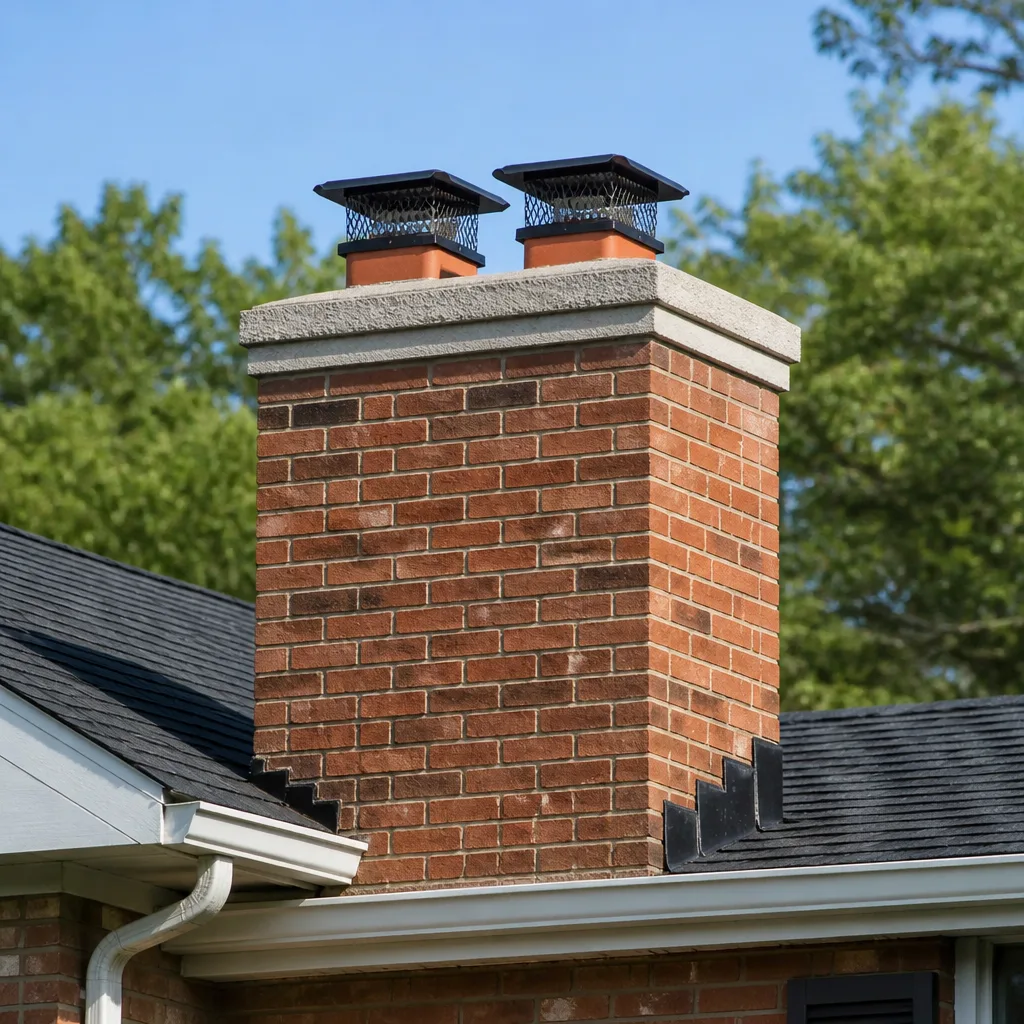
- Caps & crowns
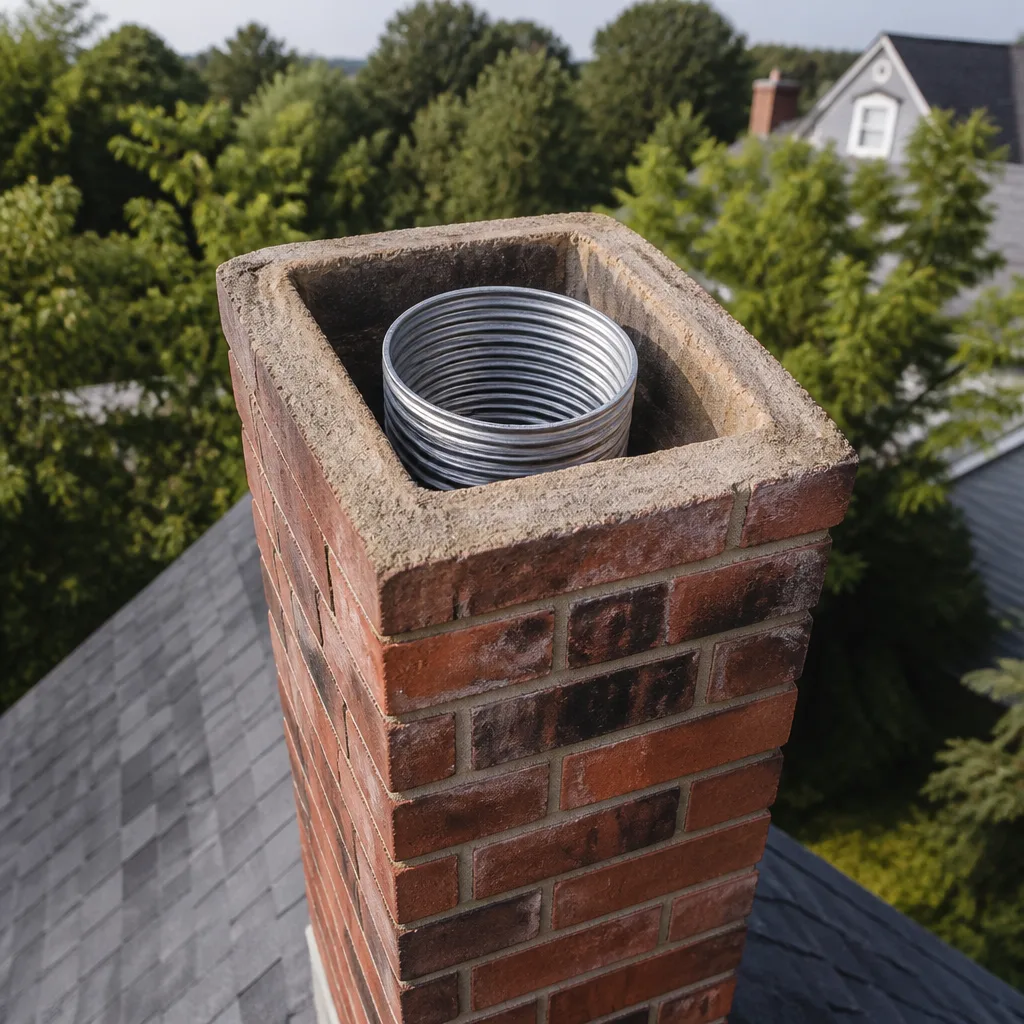
- Flue relining
- Masonry repair
- Gas fireplace service
Table of Contents
- What professional-grade chimney products actually go into a repair
- How to ask a contractor to specify materials by brand
- Chimney sweep company vs. full-service chimney specialist
- What certifications mean for products like HeatShield
- Why repair capability signals inspection quality
- What a documented chimney inspection gives you
- Irving-specific considerations before burning season
- A step-by-step way to choose a chimney company
What Professional-Grade Chimney Products Actually Go Into a Repair
The phrase “stainless liner installation” hides a wide field. Four families of product show up in real chimney work, and each is engineered to solve a different problem. Knowing the categories lets you read a proposal the way a tradesperson does.
- DuraFlex liner systems. A flexible stainless liner engineered to reline a chimney whose original clay flue has cracked, spalled, or never sized correctly for the appliance. DuraFlex is a system, not a piece of pipe: it comes with the components, insulation options, and termination parts that make a liner code-compliant and safe for the appliance it serves. It’s the answer when the flue itself has to be replaced from the inside.
- HeatShield resurfacing. A specialist resurfacing system for the interior of a masonry chimney. HeatShield is engineered to repair cracked or deteriorated flue liners and restore a smooth, sealed surface without a full reline. It’s technically demanding work, and it’s the option that saves a chimney that a generic contractor would simply quote a whole new liner for.
- Thermocrete and cast-in-place systems. Poured or sprayed refractory liners that rebuild a flue from the inside out. These are heavy-duty repairs for badly damaged chimneys and call for genuine installer skill.
- Stainless liner systems, broadly. Rigid and flexible stainless liners from a range of makers. Quality and warranty vary enormously, which is exactly why the brand and product name belong in the proposal.
We work with professional-grade materials like DuraFlex and HeatShield because those are the systems chimney specialists trust for the jobs that matter. The difference between a generic liner kit and a properly specified DuraFlex or HeatShield application is often the difference between a fix that holds for a few years and one engineered to last decades. A clean chimney is the starting point. What goes into the flue when it needs repair is the part that protects your home. You can read more about our chimney repair work to see how these systems fit into a real repair scope.
How to Ask a Contractor to Specify Materials by Brand
You don’t need to know the products to demand the names. You just need to ask the question and watch how it’s answered. A contractor with a real supply chain names brands without hesitation. A contractor buying generic kits off a marketplace gets vague, and the vagueness is the tell.
Here’s a numbered way to handle it before you book anything:
- Ask for the product name in the written proposal. Not “stainless liner” but the brand and the specific system. If the proposal only appears after the work starts, that’s a problem.
- Ask why that product was chosen for your chimney. A specialist can explain the reasoning: flue size, appliance type, the condition the camera found. A generalist repeats the product name back at you.
- Ask whether the installer is certified for that specific product. Some systems, HeatShield among them, are installed under manufacturer training and certification. An uncertified installer can void the product warranty, which leaves you holding a repair nobody stands behind.
- Ask what the warranty covers and who honors it. Product warranty and workmanship warranty are two different things. Get both explained.
- Compare the line items across quotes. When one proposal names DuraFlex and another says “liner,” you’re not comparing the same job even if the totals look similar.
Vague answers reveal a lot. If a contractor can’t say which liner system they’d install, the supply chain is probably a generic one, and the repair you get will reflect that. We’ve seen homeowners in Irving compare two “identical” quotes only to discover one specified a proper system and the other left the product unnamed, which usually means the cheapest liner the installer could find.
Chimney Sweep Company vs. Full-Service Chimney Specialist
The biggest practical difference between a sweep-and-go operation and a full-service chimney specialist isn’t the cleaning. It’s everything that happens after the cleaning, when the camera shows something wrong. A sweep company can tell you the flue is damaged. A specialist can tell you what it will take to fix it, install the right product, and stand behind the result.
Here’s how the two compare on the things that matter:
- What they can install. A sweep company cleans. A specialist installs liners, resurfacing, caps, and venting components as part of a complete system.
- What they can warrant. A repair is only as good as the product behind it. Specialists specify named products with manufacturer warranties and back the workmanship themselves.
- What they can stand behind. When the company that cleans your chimney also inspects and repairs it, there’s no handoff and no gap in accountability. One company owns the outcome.
- How they see the system. Chimney problems don’t stop at the flue. Caps, liners, and masonry are one system. A specialist addresses all of it; a sweep sees only the flue.
We specialize in chimneys. Sweeping, repair, and inspection are all we do, and that focus shows in the work. A generalist handyman with a brush can clean a flue, but the moment the job needs a HeatShield application or a DuraFlex reline, the specialist is the one who can actually finish it. That’s the difference between a company that finds problems and a company that solves them. If you’re comparing providers, our chimney sweep service is a good place to see what a full-scope visit involves.
What Certifications Mean for Products Like HeatShield
Manufacturer certification matters more in chimney work than most homeowners realize. Products like HeatShield are installed under specific manufacturer training and certification. When an installer is certified for the product, the installation follows the manufacturer’s method and the product warranty stays valid. When an installer is not certified, the product warranty can be voided, and you’re left with a repair that no manufacturer will back.
So what should you actually ask? A few concrete checks:
- Ask if the installer is certified for the specific product being quoted. Not “certified” in general, but certified for that system.
- Ask to see the warranty documentation. A product warranty should be a real document, not a verbal promise.
- Ask who honors the warranty if something fails. Manufacturer and installer are two different parties; both should have a clear answer.
- Ask what happens if the work is done uncertified. Most manufacturers will void coverage, which means the risk lands on you.
The same logic applies to other professional products. Gelco and Famco components for caps and venting are made to be installed to spec. Olympia Chimney liners carry their own installation requirements. When a contractor uses professional-grade brands, the certification question comes up naturally because those products have real requirements. When a contractor uses generic kits, the question never comes up, and that’s not a good sign.
Why Repair Capability Signals Inspection Quality
Here’s the incentive problem worth understanding before you book an inspection. A company that can’t repair what it finds has a quiet reason to find less. If sweeping is the whole business, there’s no revenue in a damaged flue liner. The structural incentive pushes toward a lighter inspection report, and the homeowner never knows what was missed.
A company that can repair has the opposite incentive. A thorough inspection leads to a repair conversation, and the repair is where the specialist earns trust. That’s why we read repair capability as a signal of inspection quality. The company set up to fix things has every reason to look carefully, and a company that can only sweep has every reason to keep the report brief.
You can use this in your own evaluation. Ask any chimney provider you consider:
- Do you do liner relining, resurfacing, and cap installation in-house?
- Which products do you install, and are your installers certified for them?
- When an inspection finds a problem, what does the fix look like?
- Can I see the camera footage and the written assessment before deciding?
A specialist answers all four without hesitation. A sweep-only company answers the first one with “we refer that out,” which tells you the inspection may be tuned to avoid the referral. In Irving, where the housing stock includes plenty of older masonry chimneys, the difference between a careful inspection and a quick one is the difference between catching a problem early and discovering it as a safety issue.
What a Documented Chimney Inspection Gives You
A documented inspection is what turns a chimney from a mystery into a known quantity. The camera inspection and the written report aren’t paperwork. They’re the evidence you need to decide whether to repair, monitor, or do nothing at all, and they’re the reason you don’t have to take a contractor’s word for it.
What a proper inspection should give you:
- Camera footage of the flue interior, so you can see the condition for yourself rather than relying on a description.
- A written assessment of the system covering the flue, the firebox, the cap, and the venting where relevant.
- A clear separation between what needs attention now and what can safely wait, so you’re not pressured into work that can be monitored.
- The product name and reasoning for any repair recommended, so you can compare against a second opinion if you want one.
Nothing is recommended without camera evidence you can see for yourself, and we say plainly when work can safely wait. That’s the standard we hold to because the biggest fear homeowners bring to a chimney inspection is being told they need thousands of dollars of liner or masonry work they have no way to verify. A documented inspection removes that fear. You see what we see, and you decide with evidence in hand. To see how inspection fits into a full relationship with us, start at Irving Chimney Cleaning.
Irving-Specific Considerations Before Burning Season
Irving sits in a part of North Texas with mild winters and a long stretch of warm months, which shapes how chimneys here get used. Burning season is short and concentrated, often a few months of frequent fires followed by months of dormancy. That rhythm has real consequences for the flue. Long idle periods let creosote harden and let animals and debris move in. Then the first cold snap arrives and the fireplace gets heavy use before anyone has looked at the chimney since last season.
A few local realities worth planning around:
- Book the inspection before burning season, not during it. Getting ahead of the first cold snap means any repair has time to be completed before the fireplace is handling real loads.
- Gas inserts and wood-burning fireplaces need different attention. A gas insert’s venting and a wood fireplace’s flue present different risks, and the inspection scope should reflect which appliance you have.
- Older masonry chimneys in Irving need a camera inspection, not just a brush. The flue interior is where the damage hides, and the exterior often looks fine while the liner is failing.
- Caps and venting deserve the same attention as the flue. A missing or damaged cap lets water and animals in, and Gelco and Famco components are part of addressing the full system rather than just the flue.
Neighboring communities in the area have similar housing and climate, so the same planning applies. If you’re in a nearby town, our work in Double Oak follows the same seasonal logic. Schedule your inspection before the burning season so repairs don’t become emergencies, and you’ll go into the cold months with a chimney you actually know the condition of.
A Step-by-Step Way to Choose a Chimney Company
Choosing a chimney company is a short, repeatable process if you handle it in order. The goal isn’t to find the cheapest quote. It’s to find the company that can specify the right products, install them properly, and stand behind the work.
- Confirm the company does sweep, repair, and inspection together. One provider that identifies, diagnoses, and fixes problems leaves no gaps in accountability.
- Ask which professional-grade brands they install. The answer should name real systems like DuraFlex, HeatShield, Gelco, or Olympia Chimney, not just “stainless liner.”
- Ask for product names in writing before booking. A contractor who can’t specify the product before the work starts is guessing.
- Ask whether installers are certified for the products they install. Uncertified installation can void the warranty, so this is a real yes-or-no question.
- Ask for a documented inspection with camera footage. You should see the flue condition for yourself and get a written assessment before any repair decision.
- Ask what can safely wait. A company willing to tell you the work can be monitored is a company you can trust on the work that can’t.
- Get the estimate in writing. The written estimate sets the final price, and every recommendation should trace back to the camera evidence.
Run through those seven steps and the field narrows quickly. The companies that answer all seven without hesitation are the ones that can actually finish a repair when the inspection turns something up. The companies that stumble on steps two, three, or four are telling you what their supply chain looks like, and that answer matters more than the price on the first page.
Common Mistakes to Avoid
- Accepting “stainless liner” without a product name. That phrase covers four different products at three quality tiers. If the proposal doesn’t name the system, you can’t compare it to anything, including a second quote.
- Choosing a sweep-only company and expecting a repair. A sweep can find the problem but can’t fix it, which means a referral, a handoff, and no single company accountable for the outcome.
- Skipping the certification check. An installer who isn’t certified for a system like HeatShield can void the product warranty. Ask before the work starts, not after a problem appears.
- Booking the inspection mid-season. In Irving, waiting until the fireplace is in heavy use leaves no window to complete a repair before the cold settles in. Get ahead of the burning season.
- Treating the camera footage as optional. A documented inspection you can see is the difference between trusting a recommendation and guessing at it. Insist on the footage and the written report.
- Reading a low price as a saving. The cheapest quote often reflects the cheapest materials, and the repair you get will mirror that. Compare what’s specified, not just what’s charged.
- Overlooking the cap and venting. A chimney is a system. A failed cap lets water and animals in, and treating the flue as the whole system misses part of the problem.
See the difference
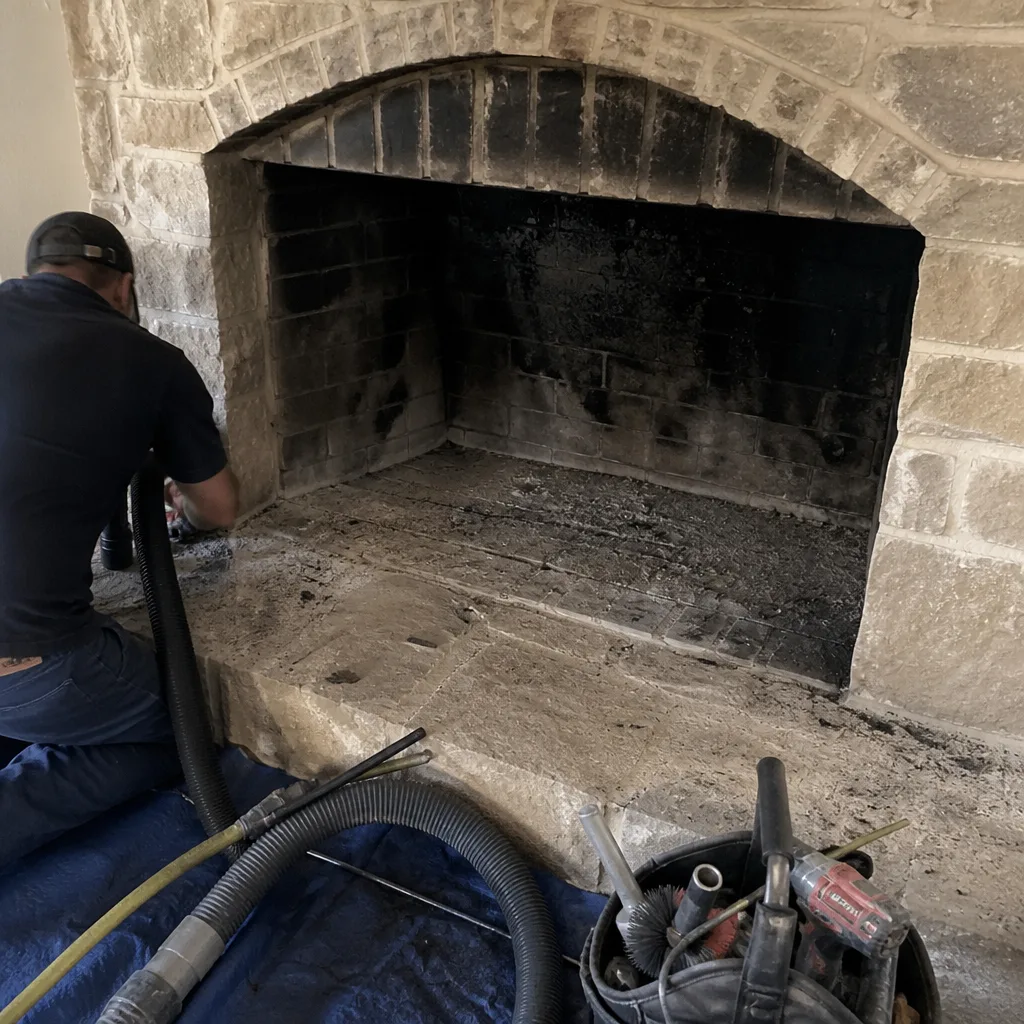 Before
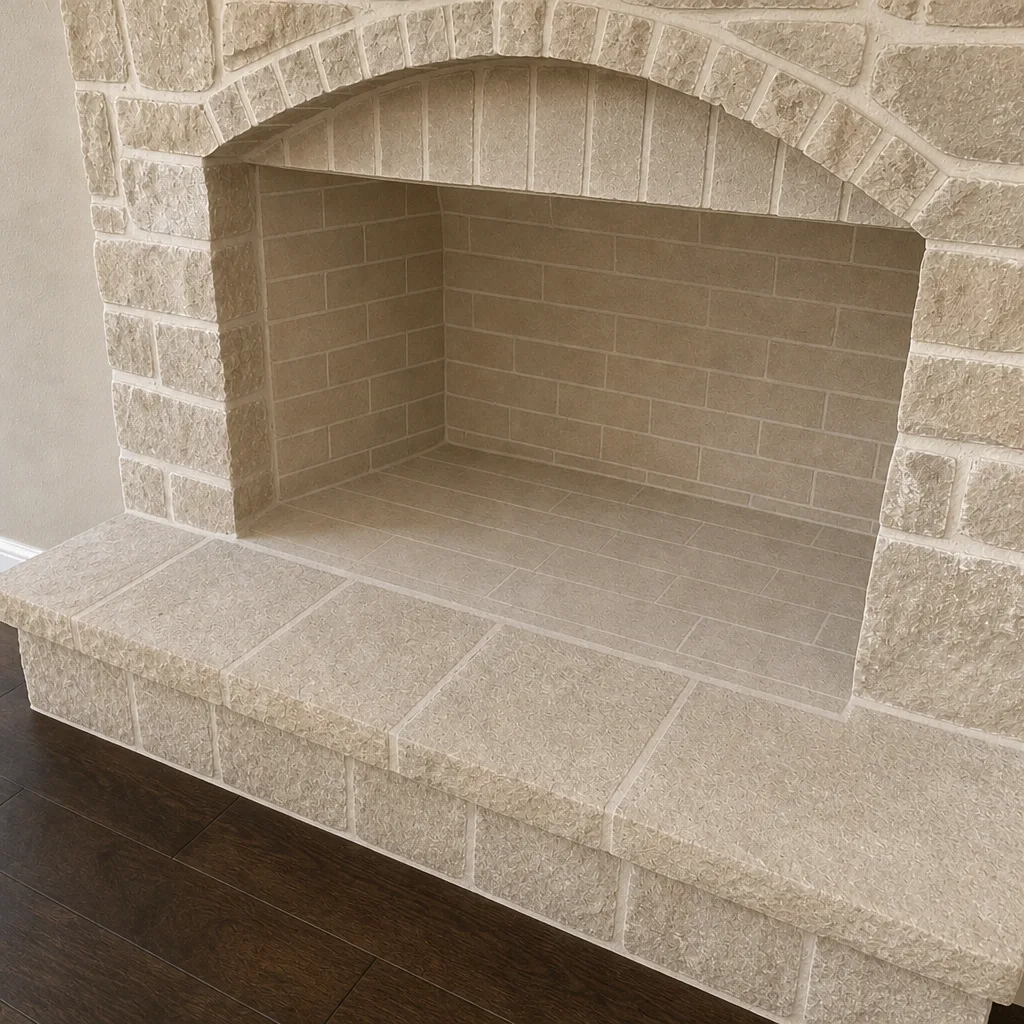 After
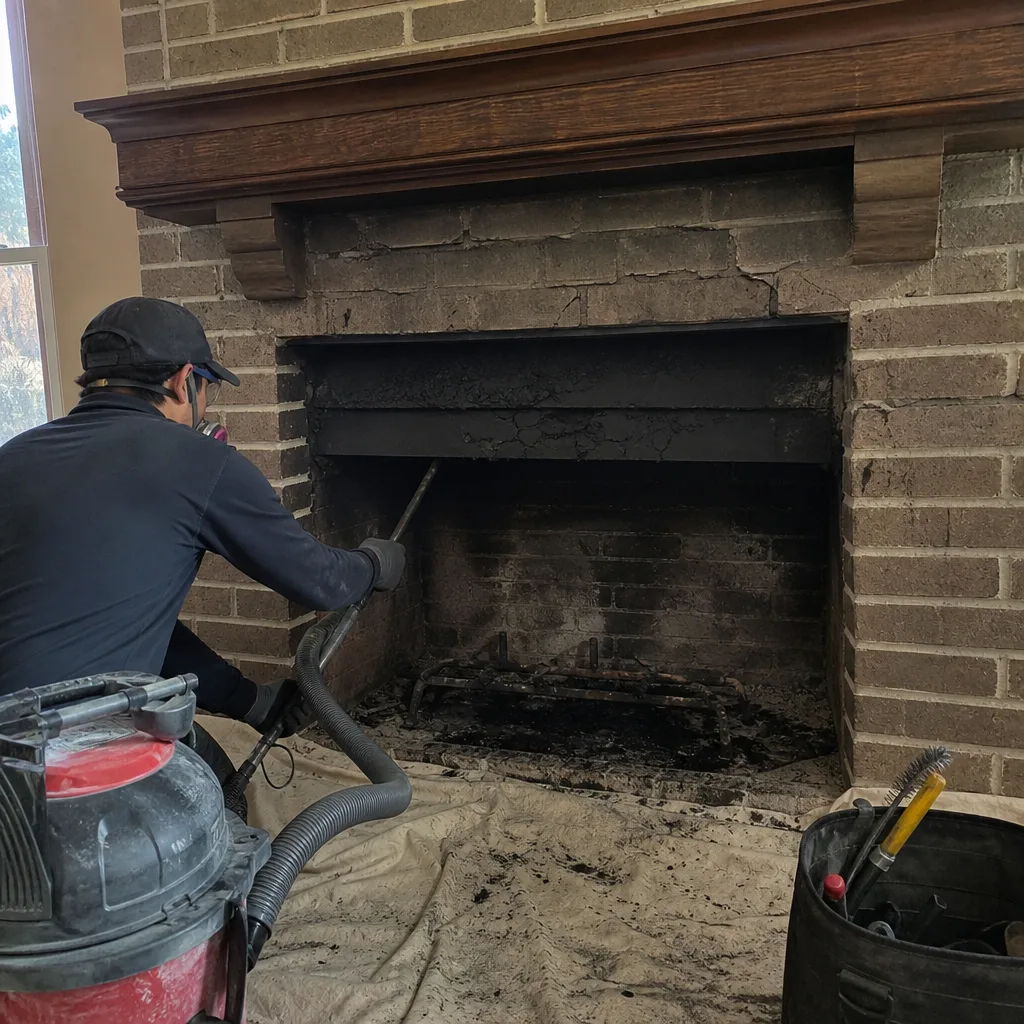 Before
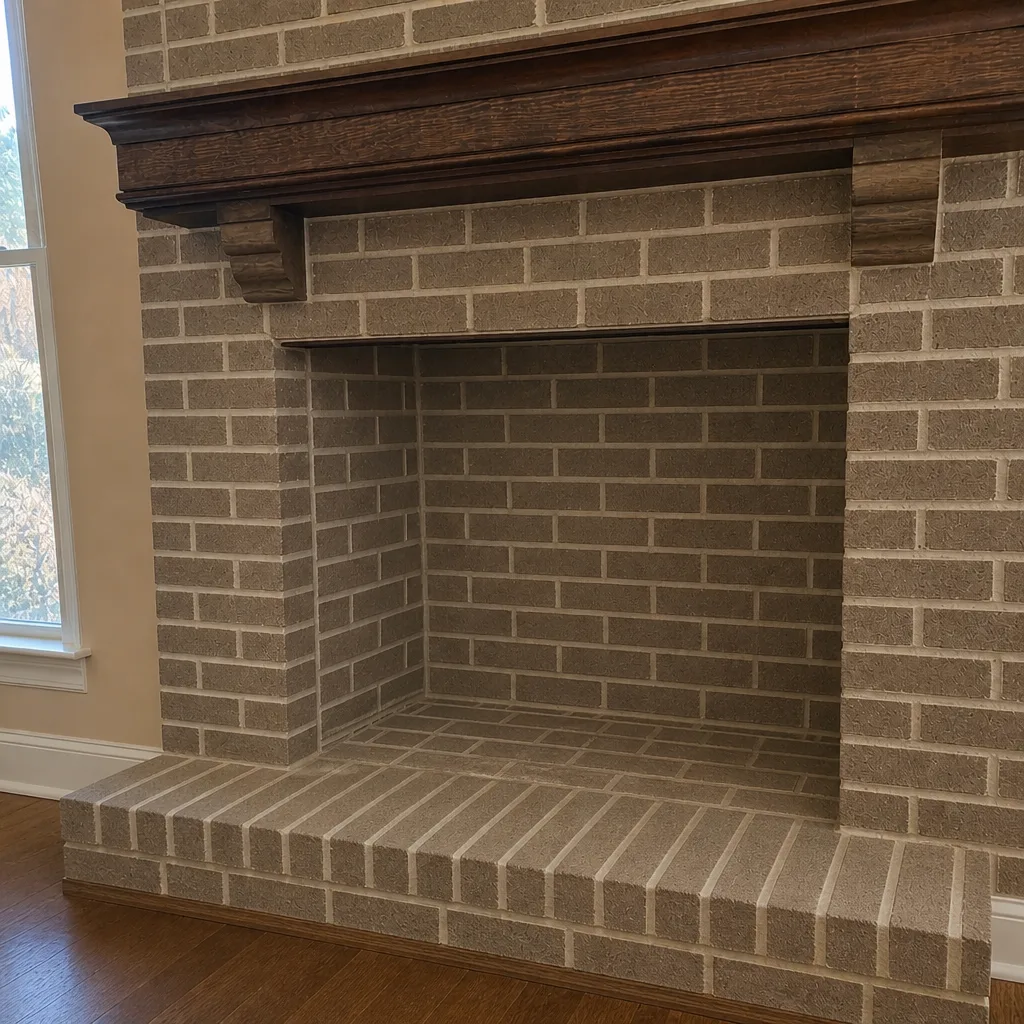 After
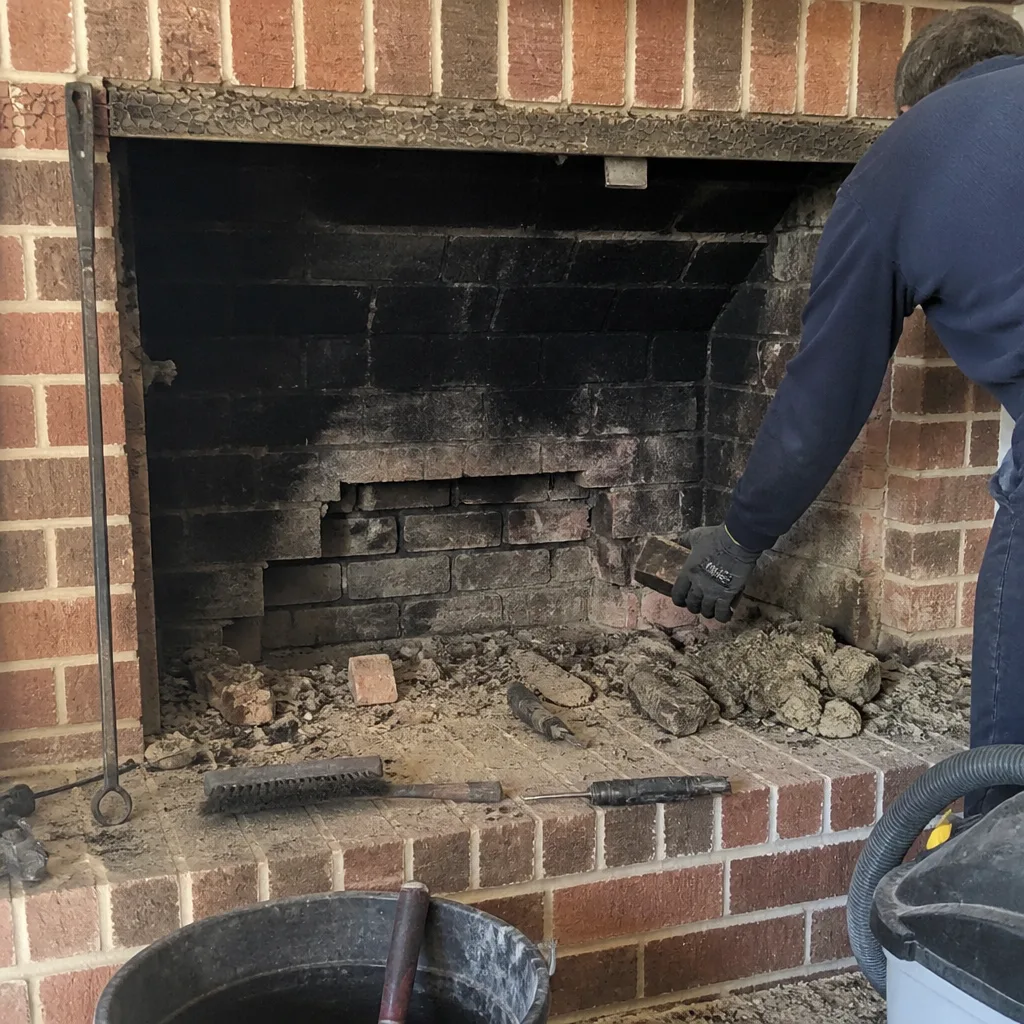 Before
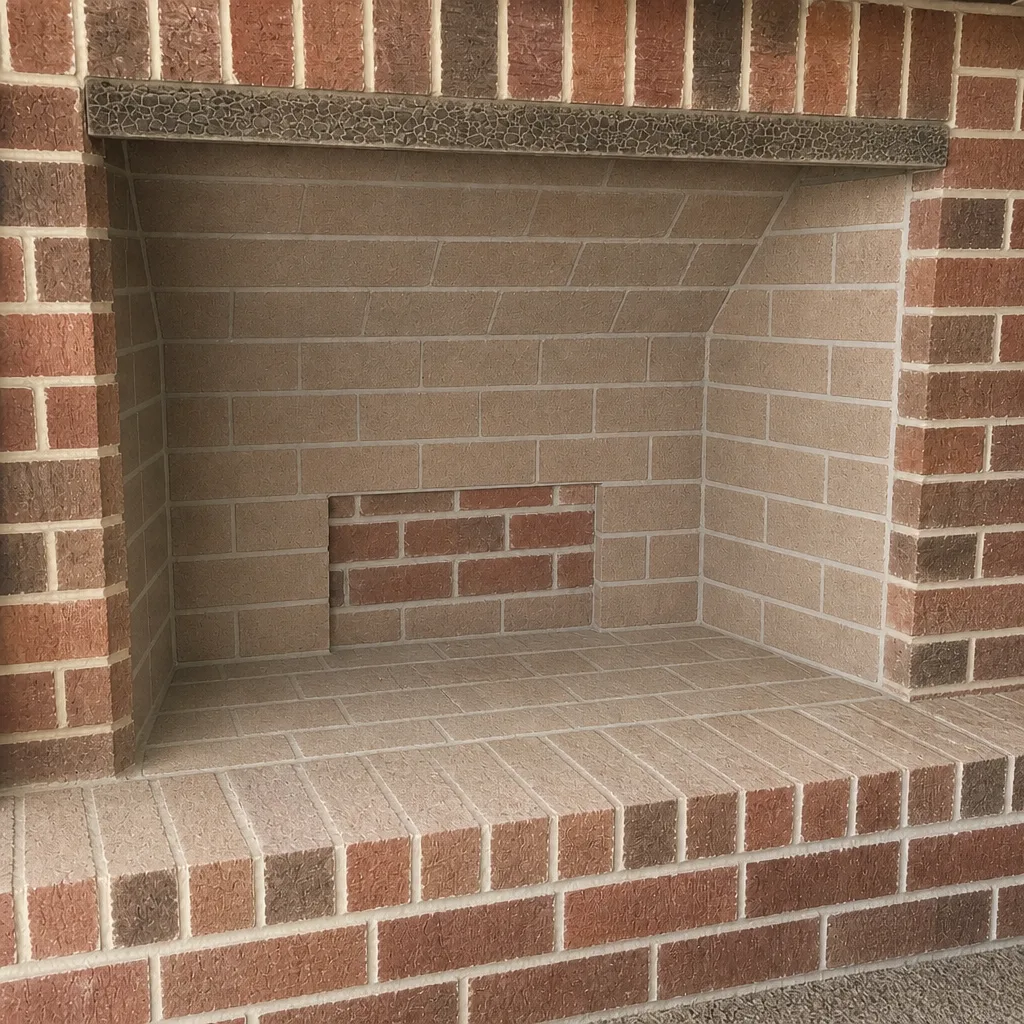 After
When to Call a Professional
Call a professional when the flue hasn’t been inspected this season, when you’ve moved into an Irving home with a chimney of unknown history, or when a fireplace has been burning heavily and the creosote load hasn’t been checked. Call if you’re seeing smoke spill into the room, if the fire doesn’t draw the way it once did, if you’ve noticed water staining inside the chimney, or if a cap is missing or damaged. Those are signs the system needs a proper look, not a guess. Chimney fire and carbon monoxide risk are real, and a documented inspection is how you know where you stand before the burning season. Irving Chimney Cleaning offers free estimates in Irving. Call (855) 955-5057. We answer 24/7. Fast dispatch from 7am to 7pm, Sunday through Friday.
Frequently Asked Questions
A chimney sweep cleans the flue; a full-service chimney specialist also inspects the system with a camera and repairs what the inspection finds, including liner relining and interior resurfacing. The practical difference shows up when the camera finds damage, because the specialist can finish the job and the sweep-only company has to refer it out. That gap in capability also shapes how thorough the inspection tends to be.
Yes, ask for the brand and the specific product name in the written quote. “Stainless liner” alone isn’t a specification, because it covers systems from different makers at very different quality levels. A contractor who can name the product, explain why it fits your flue, and confirm certification for it is a contractor with a real supply chain. Call (855) 955-5057 for an exact quote, and we’ll specify what goes into your chimney.
Installer certification matters because an uncertified installation can void the product warranty, which leaves you holding a repair no manufacturer will back. HeatShield is installed under manufacturer training and certification, and the same logic applies to other professional products. Ask which products the installer is certified for before the work starts, not after a problem shows up.
Yes, and the answer will be based on camera evidence you can see for yourself. Nothing is recommended without footage and a written assessment, and we say plainly when work can safely wait. That’s the standard because the biggest worry in a chimney inspection is being told you need work you have no way to verify. Call (855) 955-5057 to book an inspection with a documented report.
An inspection before each burning season is the safe rule for a wood-burning fireplace, and it’s how Irving homeowners get ahead of the first cold snap. A gas insert’s venting should be checked on the same rhythm. The inspection is short and gives you a clear picture of the flue, cap, and firebox before heavy use. Call (855) 955-5057 to schedule one before the season.
Yes. We work with professional-grade brands including DuraFlex, HeatShield, Gelco, Olympia Chimney, Famco, and Copperfield, which lets us address the full system rather than just the flue. That means liner relining, interior resurfacing, caps, and venting can be handled by the same company that inspects and sweeps. We answer 24/7. Fast dispatch from 7am to 7pm, Sunday through Friday. Call (855) 955-5057 to discuss your chimney.
The Bottom Line
The chimney company you choose matters less for the logo on the van than for the products it specifies in writing. Ask for brand and product names, confirm installer certification, and insist on a documented inspection with camera footage you can see. A company that sweeps, repairs, and inspects under one roof has every reason to look carefully before recommending work. If it can’t name a DuraFlex or HeatShield system when the repair calls for one, the proposal is telling you something. Our technicians have up to 11 years of experience with these systems, and we’d be glad to put that to work for your chimney. Call (855) 955-5057 for a free estimate.
Written by the team at Irving Chimney Cleaning.