
Last updated November 16, 2026
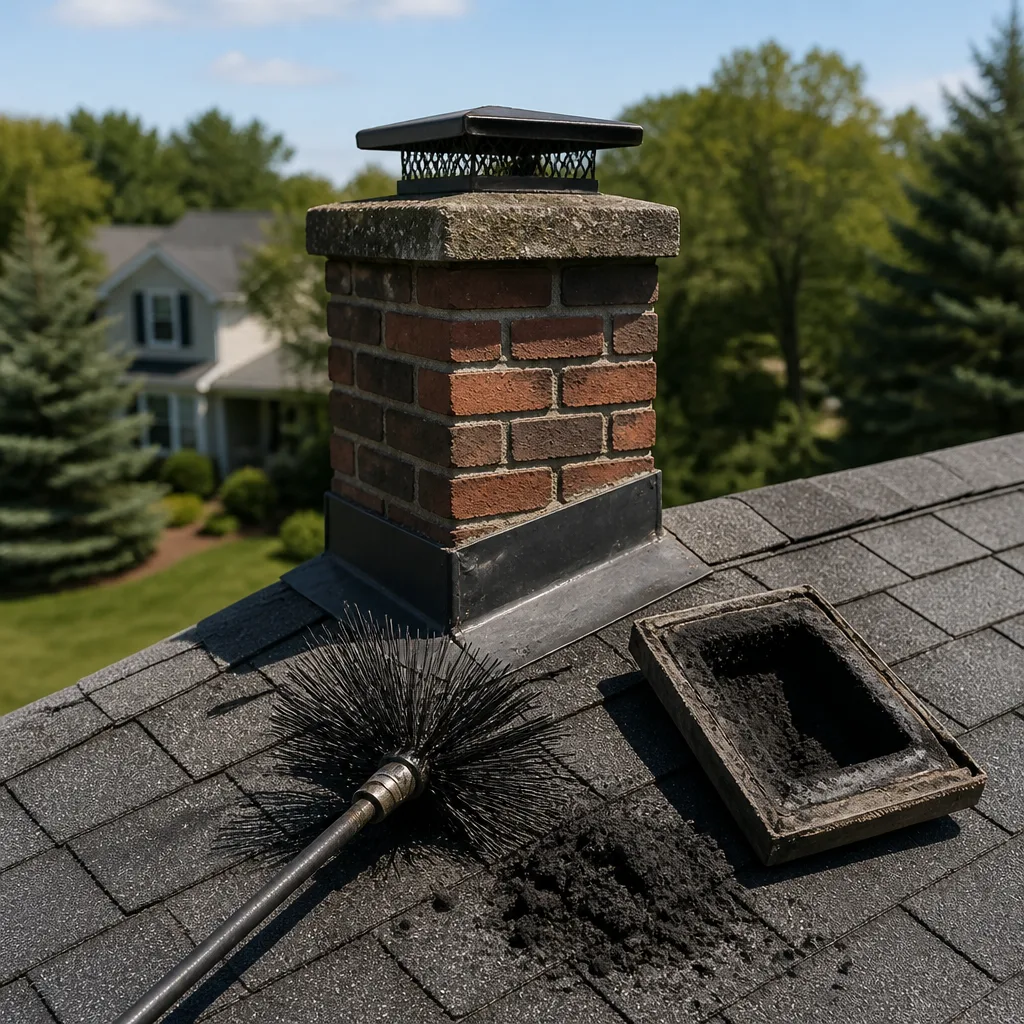 Sweep & inspection
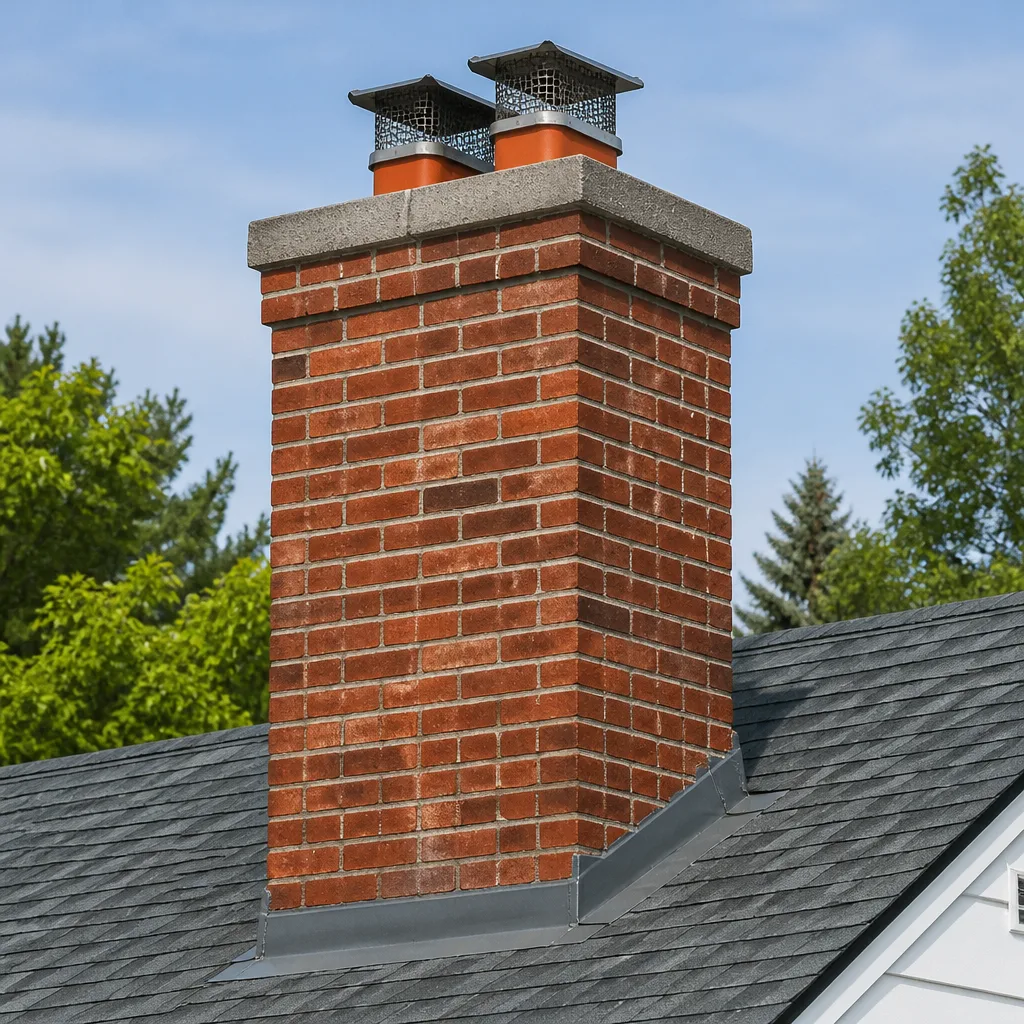
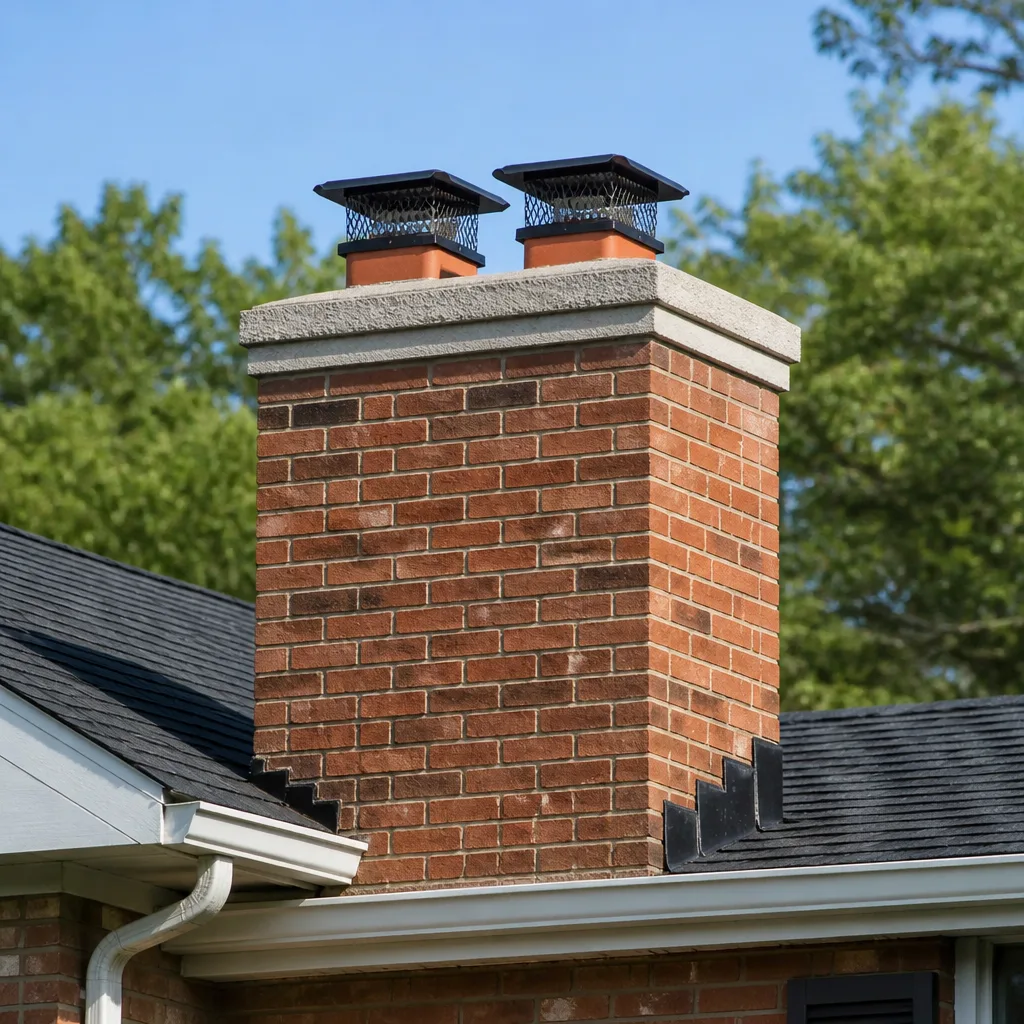 Caps & crowns
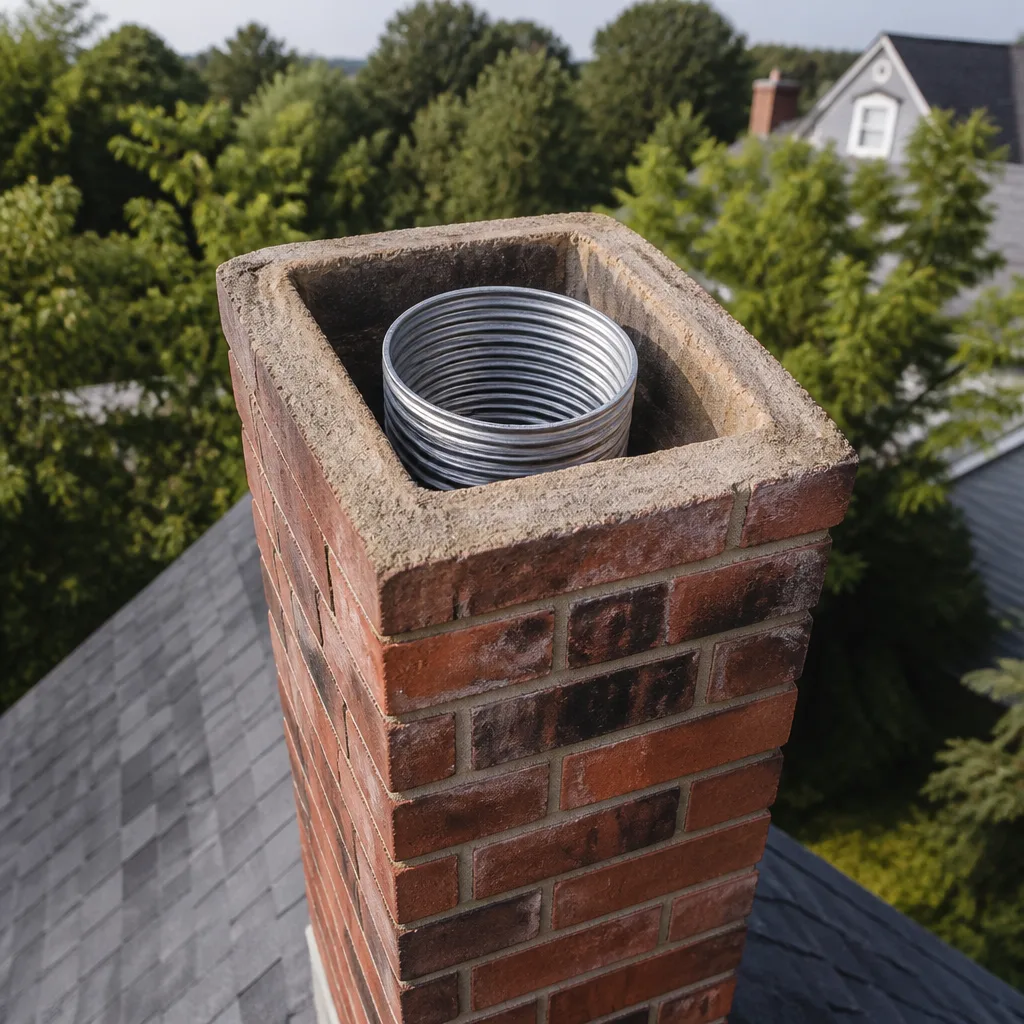 Flue relining
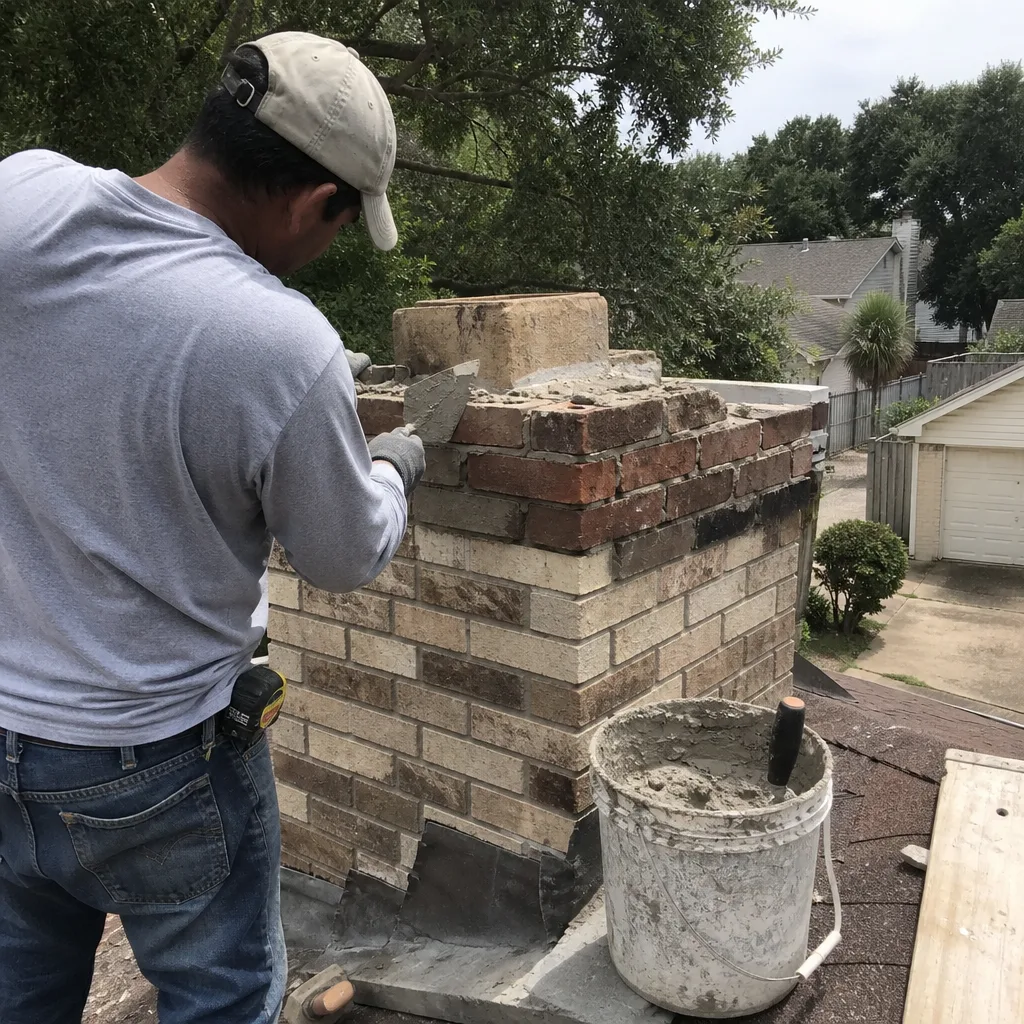
 Masonry repair
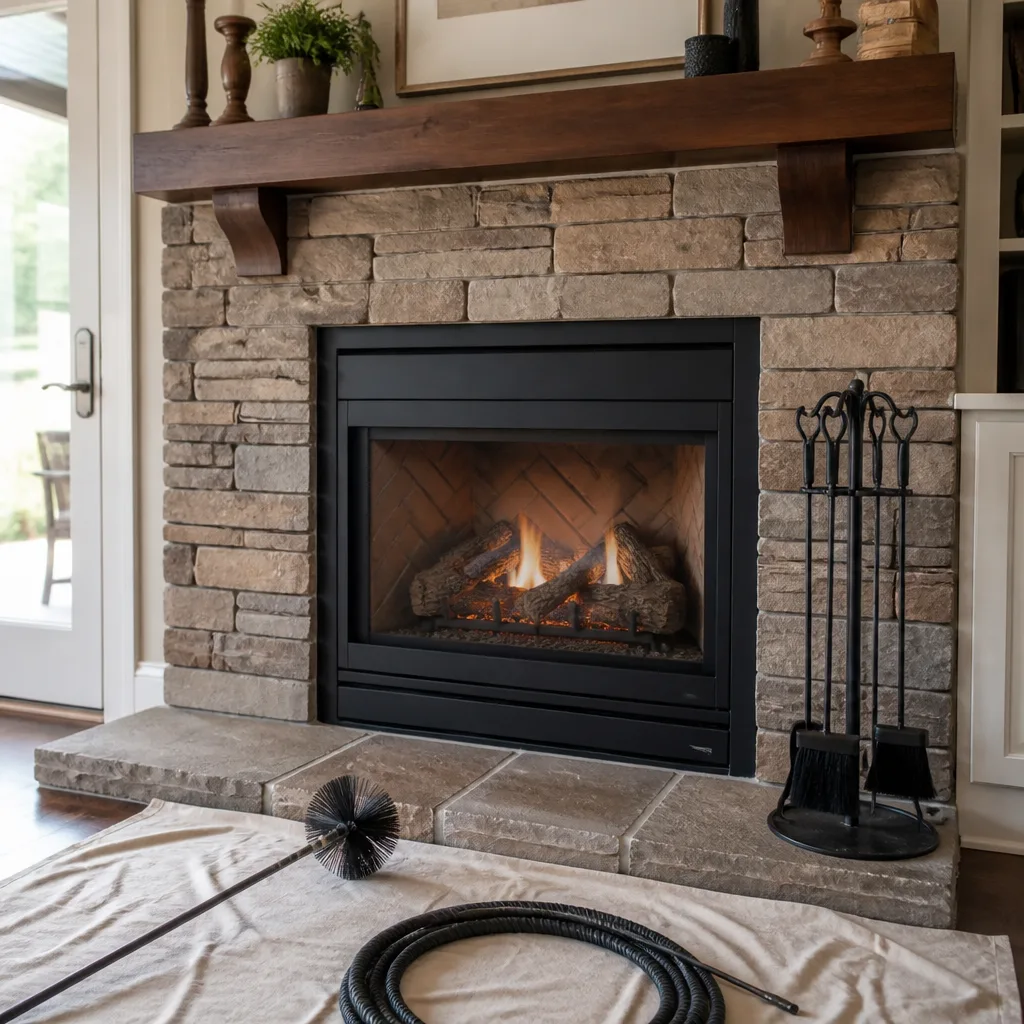 Gas fireplace service
Level 1 sweep and inspection to the NFPA 211 annual standard - flue, crown, cap, and flashing checked and photographed
Chimney sweep logs do not sweep chimneys. They loosen some creosote - which then falls where a brush and vacuum still have to collect it.
The Complete Guide to Chimney Cleaning in Irving
Most Irving homeowners who had a chimney fire didn’t know they had a creosote problem, because the sweep they hired never looked past the firebox. A brush run down the flue tells you almost nothing about the liner, the mortar joints, or the firebrick behind the smoke chamber. What you think of as “cleaning” is really a diagnostic process, and the cleaning is only one output of it. This guide walks through how chimney cleaning actually works in Irving, what North Texas clay soils and mild winters do to flues over time, how to read an inspection report, and how to tell an urgent repair from an upsell. By the end you’ll know exactly what a sweep should look at, not just what they should brush.
Quick Answer
Chimney cleaning in Irving is a three-part process: sweep the flue to remove creosote and soot, inspect the full system (firebox through cap) to catch liner cracks, spalling firebrick, and deteriorated mortar, and repair whatever the inspection documents. How often you need it depends on how much you burn, what you burn, and the condition of your flue, not on a calendar. A gas-log fireplace still needs a flue inspection even though it produces little soot.
Styles & brands we work with
- Sweep & inspection
- Caps & crowns
- Flue relining
- Masonry repair
- Gas fireplace service
Table of Contents
- Why Irving’s Climate Creates a Different Creosote Pattern
- Gas-Log Fireplaces and the Inspection They Still Need
- Level 1, 2, and 3 Inspections: Which One Applies to Your Home
- What a Full-Service Chimney Company Catches That a Brush-Only Sweep Misses
- What a Complete Sweep Actually Involves
- How to Read a Chimney Inspection Report
- Liner Relining and Resurfacing: When the Flue Itself Needs Repair
- When to Call a Professional
Why Irving’s Climate Creates a Different Creosote Pattern
Irving sits in a band of North Texas that most chimney advice ignores. If you read a general guide written for New England or the Upper Midwest, it assumes a home burns constantly from October through March and the flue heats up and stays hot. That’s not what happens here.
Our winters are mild. Many Irving households light the fireplace a handful of times during cold snaps, then let it sit for weeks. That pattern produces a specific creosote problem. Short, cool fires don’t drive the flue temperature high enough to burn off the deposits forming inside it, and the gaps between fires let the flue cool completely each time. The result is a softer, flakier, glazed-over creosote that builds in layers rather than baking off. That layer is what catches fire.
The other local factor is the ground under the house. Irving’s expansive clay soils move with moisture, and that movement is gentle on the structure but relentless. Over enough seasons it stresses masonry more than a homeowner expects from a mild climate. Our technicians have up to 11 years of experience watching what that looks like inside the chimney: hairline cracks in the crown, small separations at mortar joints, and spalling firebrick where moisture has been getting in.
The moisture half of the story is the humid summer. North Texas summers push humidity through the chimney from the top down, especially where a cap is missing, rusted, or the wrong fit. A flue that’s damp for months develops a different problem than one that’s dry and soot-coated. Both need to be seen, not guessed at.
None of this means every Irving chimney is in trouble. It means the inspection has to account for the local pattern. A sweep that treats the job like a quick brush-and-go is working from a playbook written for a climate we don’t have.
Gas-Log Fireplaces and the Inspection They Still Need
A gas-log fireplace still needs a flue inspection even though it produces almost no soot. That surprises homeowners, and it’s the single most common reason flue problems go unnoticed in Irving homes. The thinking goes: no wood, no creosote, no reason to look. But most of the damage we’re asked to diagnose in gas-log systems has nothing to do with combustion.
Here’s what actually happens. A gas fireplace puts water vapor into the flue as a byproduct of burning. If the flue isn’t venting correctly, that moisture condenses inside and stays there. Over time it attacks the liner. A clay tile liner left wet for long enough develops cracks and spalling. A metal liner can corrode. And once the liner is compromised, the flue is no longer doing its job of carrying exhaust safely out of the house.
There’s a second issue: many gas-log setups were converted from wood-burning fireplaces, and the venting wasn’t resized for the change. The original clay flue was sized for a wood fire with a big volume of hot exhaust. A gas log produces less heat and less draft. That mismatch is a real category of problem, and it’s exactly the kind of thing a full-system inspection catches.
Adding to this, a gas appliance introduces a carbon monoxide question that a wood fire doesn’t. An intact, properly sized flue keeps exhaust moving outdoors. A cracked or blocked one doesn’t. That’s a safety issue, not a maintenance preference, and it’s the reason we recommend a documented flue inspection for gas-log fireplaces on a regular cadence rather than only when the homeowner notices something wrong.
When we inspect a gas-log system in Irving, we look at the liner for cracks and corrosion, the venting for correct sizing and connection, the damper and firebox for obstructions, and the cap and crown for the moisture pathway that starts most of the trouble. You don’t need creosote to have a flue problem. You just need a flue that’s been left alone.
Level 1, 2, and 3 Inspections: Which One Applies to Your Home
The chimney trade recognizes three inspection levels, and knowing which one you need changes what you should expect from a visit. This isn’t marketing language; it’s the standard framework chimney professionals work from, and it’s worth understanding before you book anything in Irving.
Level 1 Inspection
This is the routine check that comes with a standard sweep. It covers the readily accessible portions of the chimney, the firebox, and the flue, using the tools a sweep already has in hand. It’s appropriate when nothing has changed since the last inspection, the system is being used as usual, and the homeowner isn’t buying or selling the property. Most annual visits fall here.
Level 2 Inspection
This one goes further. It’s required when something has changed: a change in fuel type, a change to the appliance, a chimney fire (even a small one), a transfer of the property, or an earthquake or severe weather event. It includes everything in a Level 1 plus a video camera scan of the flue’s interior, so the liner, joints, and offsets are actually seen rather than assumed. For homeowners in Irving converting a wood fireplace to gas, or buying a home with a chimney, a Level 2 is the inspection that answers the real questions. The camera is the difference.
Level 3 Inspection
This is a targeted, invasive inspection. It applies when a Level 2 surfaces something that can’t be resolved without opening up parts of the chimney or the structure around it, or when a hidden problem is suspected. It’s not routine. It’s the inspection of last resort when a camera scan or a visible symptom points to a concealed defect.
Which level you need is a question of what’s happened to the system since it was last seen. If you’ve had a chimney fire, smell smoke in the house when the fireplace isn’t running, notice staining on the exterior masonry, or you’re buying an Irving home, plan on a Level 2. If you’re due for a routine sweep and nothing has changed, a Level 1 is likely enough, and the technician can escalate if the walk-through turns up something that warrants a camera.
What a Full-Service Chimney Company Catches That a Brush-Only Sweep Misses
A brush-only sweep cleans the flue and leaves. That’s a genuine service, but it’s also the reason so many chimney problems go undiagnosed in Irving. The brush doesn’t tell you whether the liner behind it is intact, whether the firebrick is spalling, or whether the mortar joints holding the whole assembly together are failing. A full-service company is looking at the chimney as a system while it’s cleaning.
Here’s what that changes in practice:
- Liner cracks. A cracked flue liner is the pathway between a fire in the firebox and the framing of the house. It’s invisible to a brush. A camera scan or a careful visual inspection at the right angles is the only way to see it.
- Spalling firebrick. Firebrick that’s absorbed moisture and flaked away is no longer doing its job of holding heat. Left alone, it progresses and the firebox needs repair.
- Deteriorated mortar joints. The mortar between bricks in the smoke chamber and flue gives up over time, especially in a humid climate. Small separations become pathways for smoke and heat.
- Cap and crown condition. A cracked crown or a missing or rusted cap is the front door for water intrusion. It’s a cheap fix when caught early and an expensive one when it’s been letting water in for years.
- Venting and connection issues. A flue connector that’s come loose or a venting setup sized wrong for the appliance is a safety problem, not a cosmetic one.
We work with professional-grade materials like DuraFlex and HeatShield – brands that exist because chimney specialists need materials made for chimney conditions, not general construction. When the inspection turns up a liner problem, DuraFlex relining is the solution for a deteriorated flue. When the interior surface of a clay flue needs resurfacing rather than full replacement, HeatShield is the specialist system we reach for. A brush-only provider can’t offer either, so the diagnosis stops at “your flue looks dirty” rather than “here’s the defect and here’s how it gets fixed.”
We also work with Gelco and Olympia Chimney for caps, venting, and the components that make up the complete system. The chimney doesn’t stop at the flue. Treating it as a complete system is what separates a diagnostic visit from a cleaning.
What a Complete Sweep Actually Involves
A complete sweep is a sequence, not a single action. Here’s the process a full-service visit follows, step by step, so you know what to expect the next time you schedule a chimney sweep:
- Protect the room. Drop cloths and a sealed work area go down before anything gets moved. Soot travels, and the home shouldn’t wear the job afterward.
- Inspect the firebox and smoke chamber. This is the first look at firebrick condition, mortar joints, and the smoke shelf. It happens before cleaning so nothing gets disturbed before it’s documented.
- Sweep the flue. The flue is brushed from the top or bottom depending on the setup, with the correct brush for the flue’s material and size. The goal is removing the creosote layer, not just the loose soot.
- Camera-scan the flue interior. This is the step a brush-only sweep skips. The camera shows the liner’s interior surface, the joints, and any offsets, and it’s what makes the diagnosis real rather than assumed.
- Inspect the exterior and cap. Crown, cap, flashing, and the masonry visible from outside. Water intrusion almost always starts here.
- Assess draft and venting. How the system performs under real conditions, and whether the venting matches the appliance it serves.
- Document everything. The findings go into a written report with photos, so the homeowner can see what the technician saw and make decisions from evidence rather than a verbal summary.
When the sweep is done, you should have a clean flue and a clear picture of the system’s condition. If the report shows a repair is needed, you know what it is, how urgent it is, and what it costs. When it shows everything’s in good shape, you know that too, and you’re not being sold work you don’t need.
How to Read a Chimney Inspection Report
The most important skill a homeowner can develop is distinguishing an urgent repair from a preventive one from padding. A report built on documented findings makes that possible. Here’s how to read one that comes from a full-service inspection in Irving.
Start with what’s documented. A real report shows photos or video of the defect, not just a description. A cracked liner should be visible in the camera footage. A spalling firebrick should be in a photo. If a recommendation comes without visual evidence, ask for it before you agree to anything. A technician who can’t show you the problem is asking you to take it on faith, and you shouldn’t have to.
Then sort the findings into three buckets:
- Urgent. A cracked liner, a flue that’s blocked, a damaged cap that’s letting water pour in, or a venting issue affecting carbon monoxide safety. These aren’t going to wait comfortably. A crack in a flue liner is a direct fire risk, and a blocked flue is a carbon monoxide risk. Neither gets better on its own.
- Preventive. Mortar joints starting to separate, a crown with a hairline crack, a firebox showing early spalling. These can be scheduled and planned rather than rushed, but leaving them alone shifts them toward urgent over the next season or two.
- Monitor or skip. Cosmetic surface wear, a flue that’s slightly dirty but structurally sound, a cap that’s fine. Not every item in an inspection report becomes a repair.
If a technician tells you everything is urgent, get a second opinion. If a technician tells you nothing needs doing and shows you no documentation, ask to see it. A report built on photos and camera footage protects the homeowner in both directions, which is why we build every estimate from what the inspection documented rather than from a script.
Liner Relining and Resurfacing: When the Flue Itself Needs Repair
Sometimes the sweep turns up a liner that’s beyond cleaning. The flue’s interior surface has cracked, spalled, or deteriorated to the point that it can’t safely contain what the firebox produces. At that stage, the question shifts from cleaning to repair, and the two main options are relining and resurfacing.
Relining replaces the flue’s interior with a new liner. DuraFlex is the system we use for this, a stainless liner made specifically for chimney applications. It’s the right approach when the existing liner is cracked, when the flue needs to be resized for a new appliance, or when the flue’s condition is too far gone for resurfacing to hold. A relined flue is essentially a new flue inside the old chimney, and it restores the safety function the chimney was supposed to have.
Resurfacing repairs the existing clay flue from the inside. HeatShield is a specialist system built for exactly this: an insulating compound applied to the flue’s interior that seals cracks and restores the surface without removing the original liner. It’s the less invasive option when the underlying flue structure is sound and the problem is confined to the surface. It’s also more technical than it sounds, and not every chimney company has the equipment or training to do it. The fact that a provider works with HeatShield is a reasonable signal that they understand the difference between patching a surface and rebuilding a flue.
Both are real repairs, not cosmetic ones. The choice between them belongs to the inspection’s findings: what the camera shows, how much of the flue is affected, and what the appliance needs to vent correctly. That’s the reason a documented inspection has to come before any chimney repair gets scheduled. Replacing a liner that didn’t need replacing is a waste of money. Skipping a reline that the flue needed is a safety risk. The evidence is what tells them apart.
See the difference
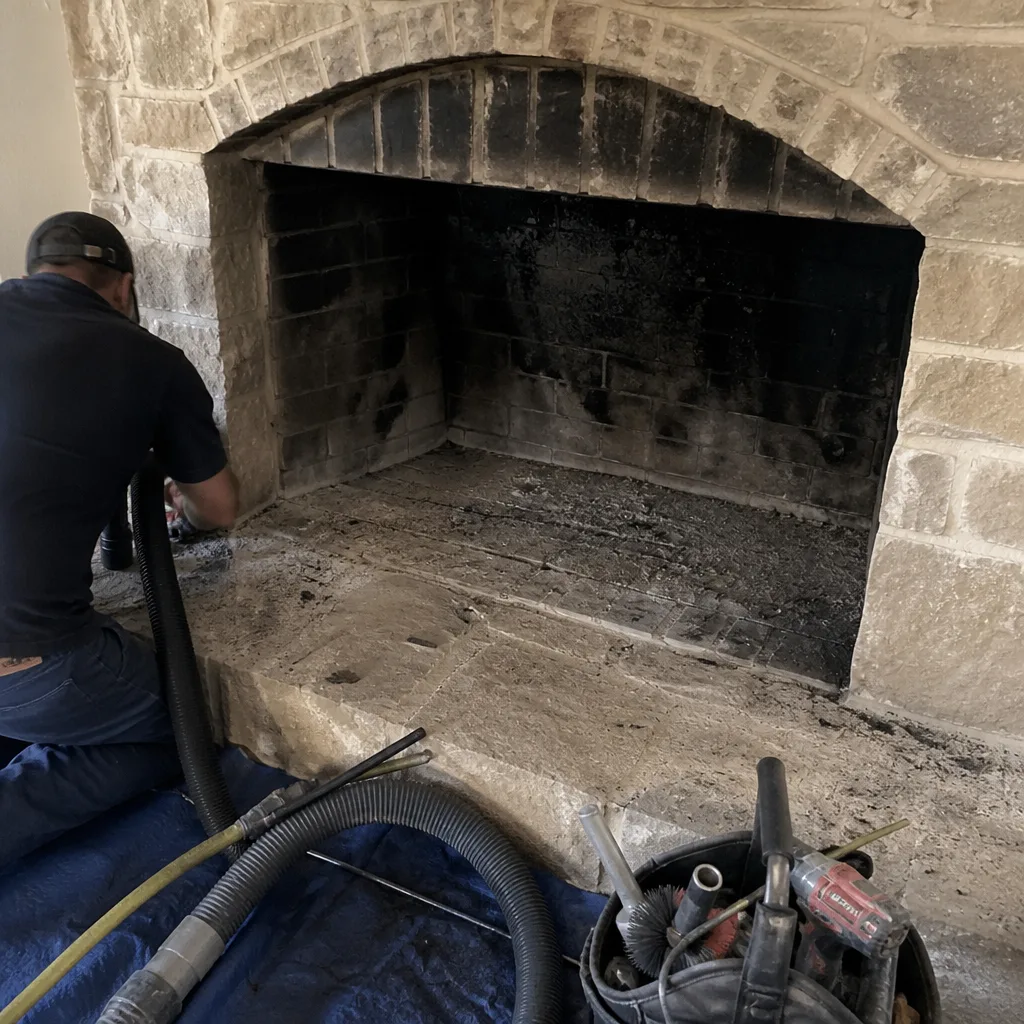 Before
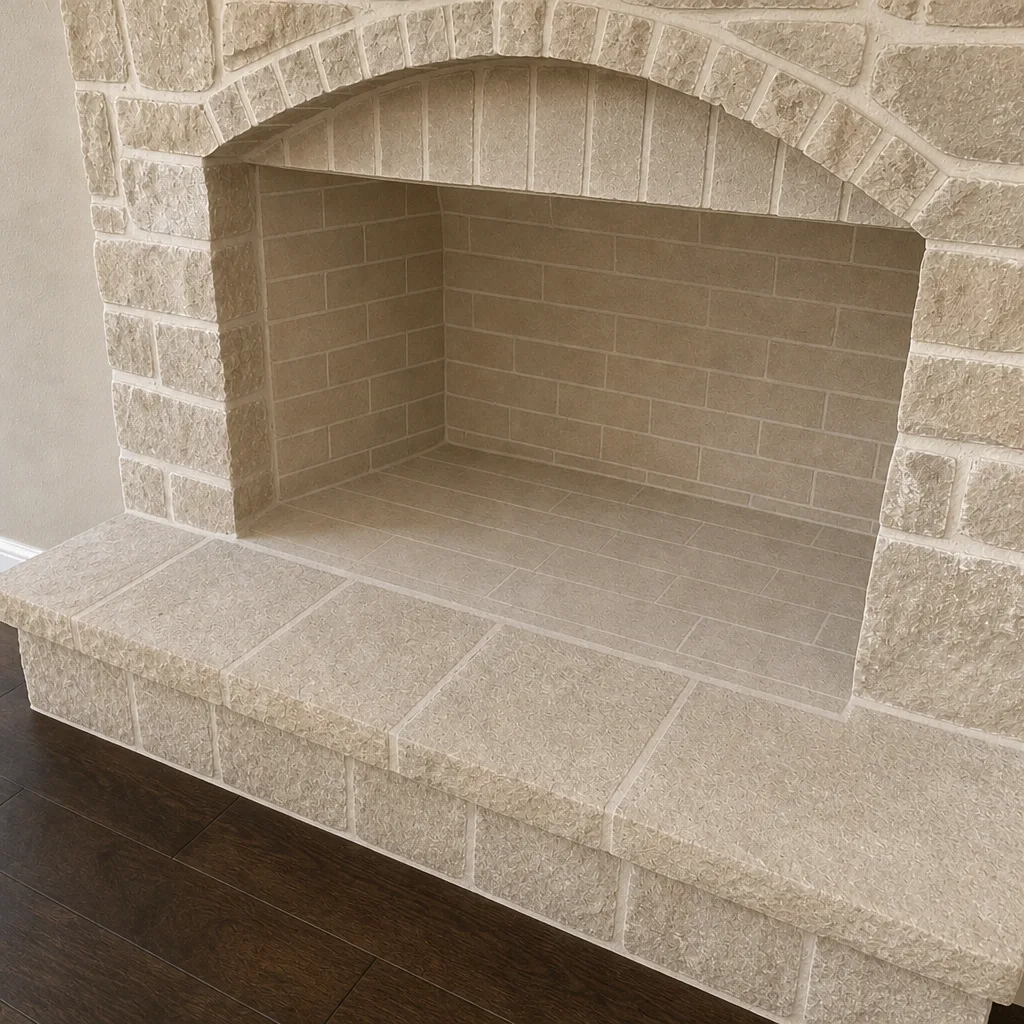 After
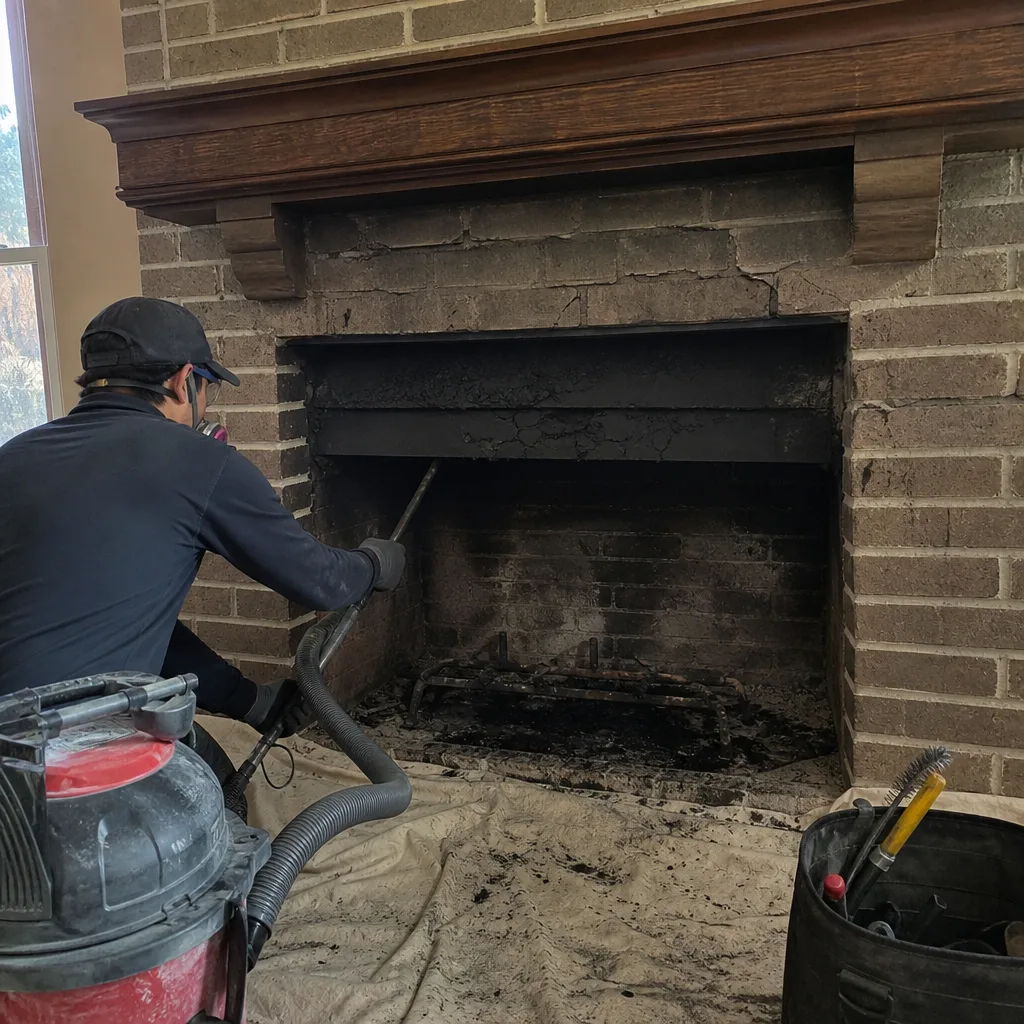 Before
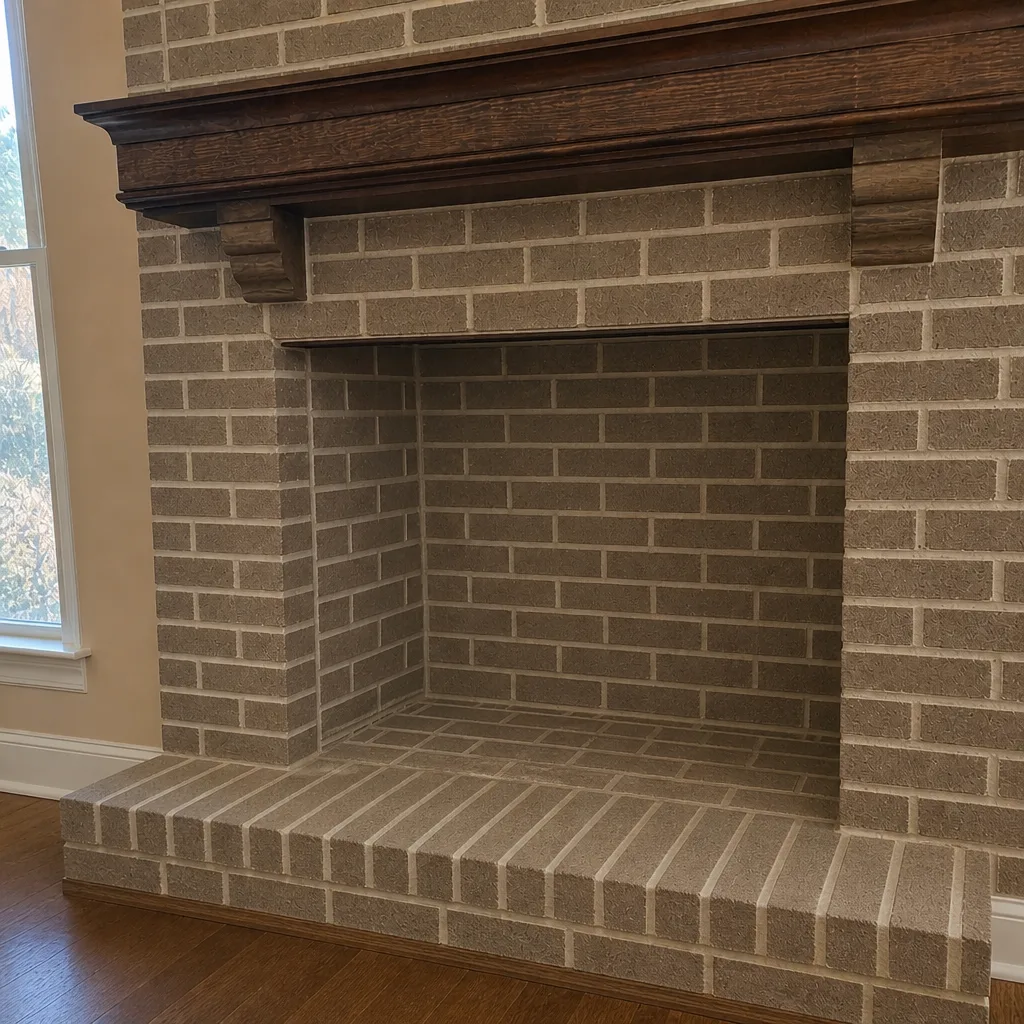 After
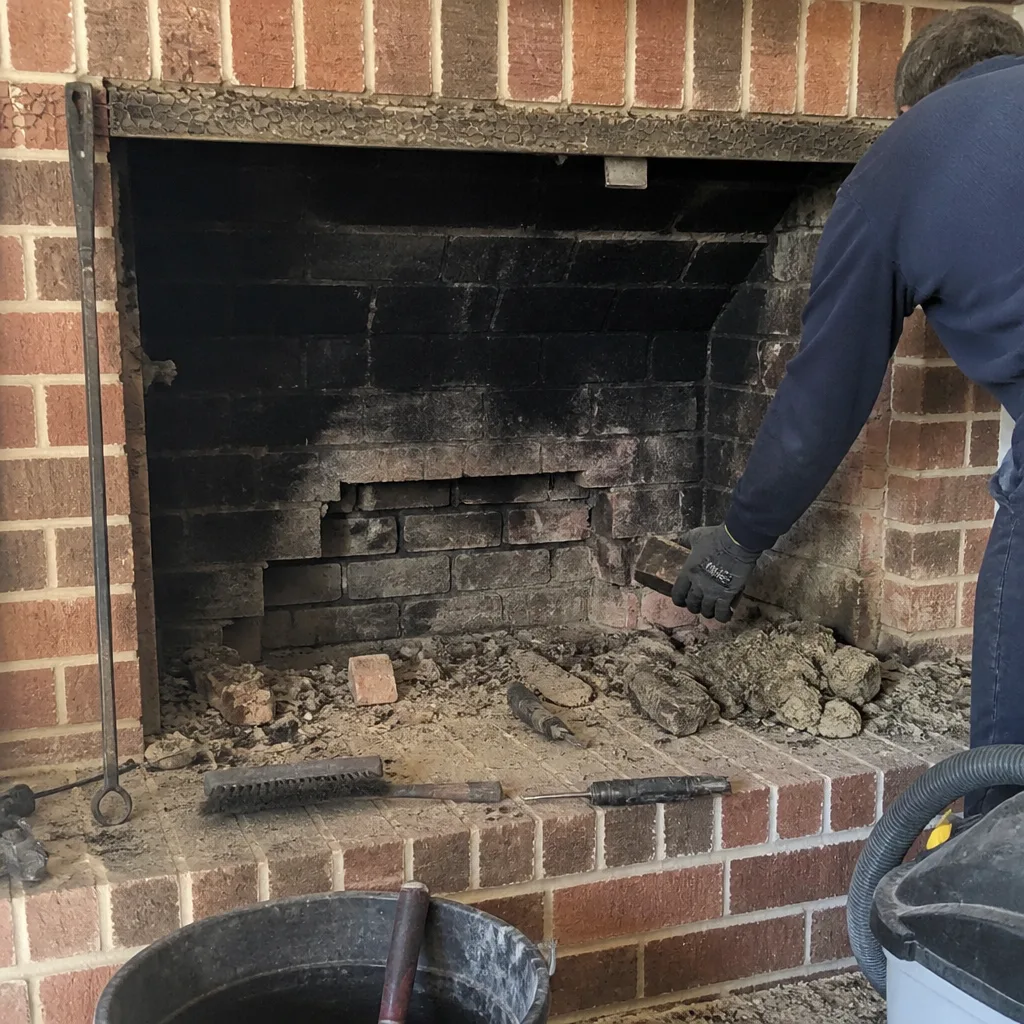 Before
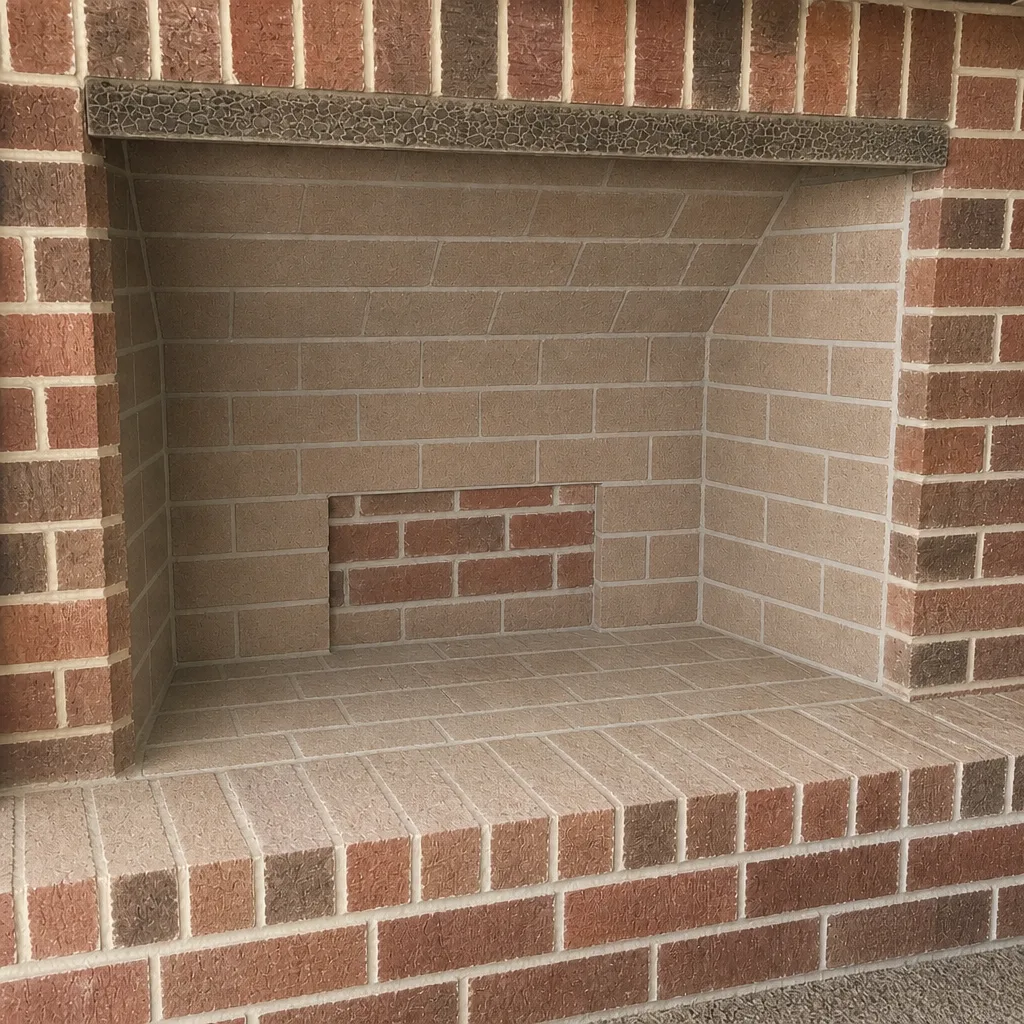 After
Common Mistakes to Avoid
- Treating chimney cleaning like an oil change on a schedule. How often you need a sweep depends on how much you burn and what the flue looks like, not on a calendar. A heavy burner might need a visit sooner and a gas-log household might need one only after the inspection determines it, and both need to see the inside of the flue to know.
- Skipping the inspection because the chimney “looks fine.” The defects that matter most in Irving are on the inside, where homeowners can’t see them. A missing cap, a cracked crown, and a flue liner starting to spall all look like nothing from the living room.
- Assuming a gas-log fireplace doesn’t need attention. Gas logs produce little creosote but plenty of moisture, and they drive liner degradation and venting misalignment the same way wood does. A gas fireplace that hasn’t been inspected in years is an unexamined flue.
- Getting a “sweep” that’s just a brush. If the technician cleans and leaves without a report, you’ve paid for the least diagnostic part of the visit. You don’t know whether the liner is intact or whether the cap is doing its job.
- Approving repairs without seeing the evidence. A recommendation that comes with no photos and no camera footage is a recommendation you can’t evaluate. Ask to see what the technician saw. A legitimate repair is always documentable in Irving.
- Putting off the repair because the fire “still works.” A cracked liner doesn’t announce itself. The fire burns the same. The risk lives in what the flue can no longer safely contain, and waiting until it fails is the wrong time to find out.
- Hiring a generalist handyman for chimney work. Chimney repair is its own trade, with its own materials and its own inspection standards. The Irving Chimney Cleaning team specializes in chimneys specifically, which matters when the diagnosis depends on knowing what you’re looking at.
When to Call a Professional
Some situations call for a sweep on the normal schedule. Others call for a professional immediately. A chimney fire that occurred, even if it seemed small, is a call-now situation; heat and combustion damage can be invisible and a proper inspection has to follow. So is a persistent smell of smoke or gas in the house when the fireplace isn’t running, visible staining on the exterior masonry, or a flue that’s been blocked by a nest, debris, or a collapsed liner. If you’re buying a home in Irving with a chimney, plan on an inspection before the closing. If you’ve just converted the fireplace to gas, the same. And if the firebox or smoke chamber is showing spalling, you’re due.
For the routine call, schedule ahead of burning season rather than mid-season, so repairs don’t become emergencies. Double Oak homeowners face the same climate pattern, and our team works across the area on the same approach: sweep, inspect, document, then repair what’s documented. Irving Chimney Cleaning offers free estimates in Irving. Call (855) 955-5057. We answer 24/7. Fast dispatch from 7am to 7pm, Sunday through Friday.
Frequently Asked Questions
The frequency depends on how much you burn, what you burn, and what the inspection finds. A household that burns regularly through the winter will need a sweep more often than one that lights the fireplace a few times a season. A gas-log fireplace still needs an inspection even when it doesn’t need a sweep. The right answer for your home comes from looking at the flue, not from a calendar. Call (855) 955-5057 for a free estimate and we’ll help you schedule the right cadence. We answer 24/7. Fast dispatch from 7am to 7pm, Sunday through Friday.
You need a new liner when the inspection documents that the existing one is cracked, spalled, or deteriorated enough to be unsafe. That’s why the camera scan matters: a recommendation to reline should come with the visual evidence behind it. If the liner is intact, you don’t need a new one, and a full-service company should tell you that. Call (855) 955-5057 for a documented inspection before you decide. We answer 24/7. Fast dispatch from 7am to 7pm, Sunday through Friday.
Yes. A gas-log fireplace still needs a flue inspection because most of the damage in these systems comes from moisture intrusion and liner degradation, not from creosote. Gas appliances put water vapor into the flue, and a flue that isn’t venting correctly keeps that moisture. The venting sizing matters too if the fireplace was converted from wood. Call (855) 955-5057 for a documented inspection. We answer 24/7. Fast dispatch from 7am to 7pm, Sunday through Friday.
Skipping maintenance lets the problems you can’t see get worse. Creosote builds in layers that a short, cool fire won’t burn off, and a flue that’s cracked or spalling doesn’t repair itself. A blocked or compromised flue is a carbon monoxide risk. None of this shows up as a noticeable symptom until it’s advanced, which is exactly why the inspection matters. Call (855) 955-5057 for a free estimate before the next burn season. We answer 24/7. Fast dispatch from 7am to 7pm, Sunday through Friday.
A Level 1 inspection is the routine check that comes with a standard sweep, covering the readily accessible parts of the system. A Level 2 adds a video camera scan of the flue’s interior and applies when something has changed: a fuel conversion, a chimney fire, a home purchase, or severe weather. If you’ve had any of those, you want the camera. Call (855) 955-5057 to schedule the right level. We answer 24/7. Fast dispatch from 7am to 7pm, Sunday through Friday.
Ask to see the documentation. An urgent repair is backed by a photo or a camera scan that shows a specific defect: a cracked liner, a blocked flue, a failed cap. A recommendation that comes without visual evidence is a recommendation you can’t evaluate. A full-service company documents what it finds, so you can judge for yourself. Call (855) 955-5057 if you have a report and you’re not sure how to read it. We answer 24/7. Fast dispatch from 7am to 7pm, Sunday through Friday.
The Bottom Line
Chimney cleaning in Irving is not a brush job. It’s a diagnostic visit that sweeps the flue, inspects the full system, and documents what’s there so the homeowner can make decisions from evidence. The local climate shapes the pattern: humid summers drive moisture damage, mild winters produce a creosote layer that builds rather than burns off, and the clay soils underneath stress masonry quietly over time. A gas-log fireplace needs inspection as much as a wood-burning one. The three inspection levels tell you what depth of look you need. And the difference between a brush-only sweep and a full-service visit is whether you find out about a cracked liner before it becomes a safety issue or after. Sweep, inspect, document, repair. In that order.
Written by the team at Irving Chimney Cleaning.
Have questions about your chimney, or ready to schedule a sweep or a documented inspection? Call (855) 955-5057 for a free estimate. We answer 24/7. Fast dispatch from 7am to 7pm, Sunday through Friday.