
Last updated November 16, 2026
 Sweep & inspection
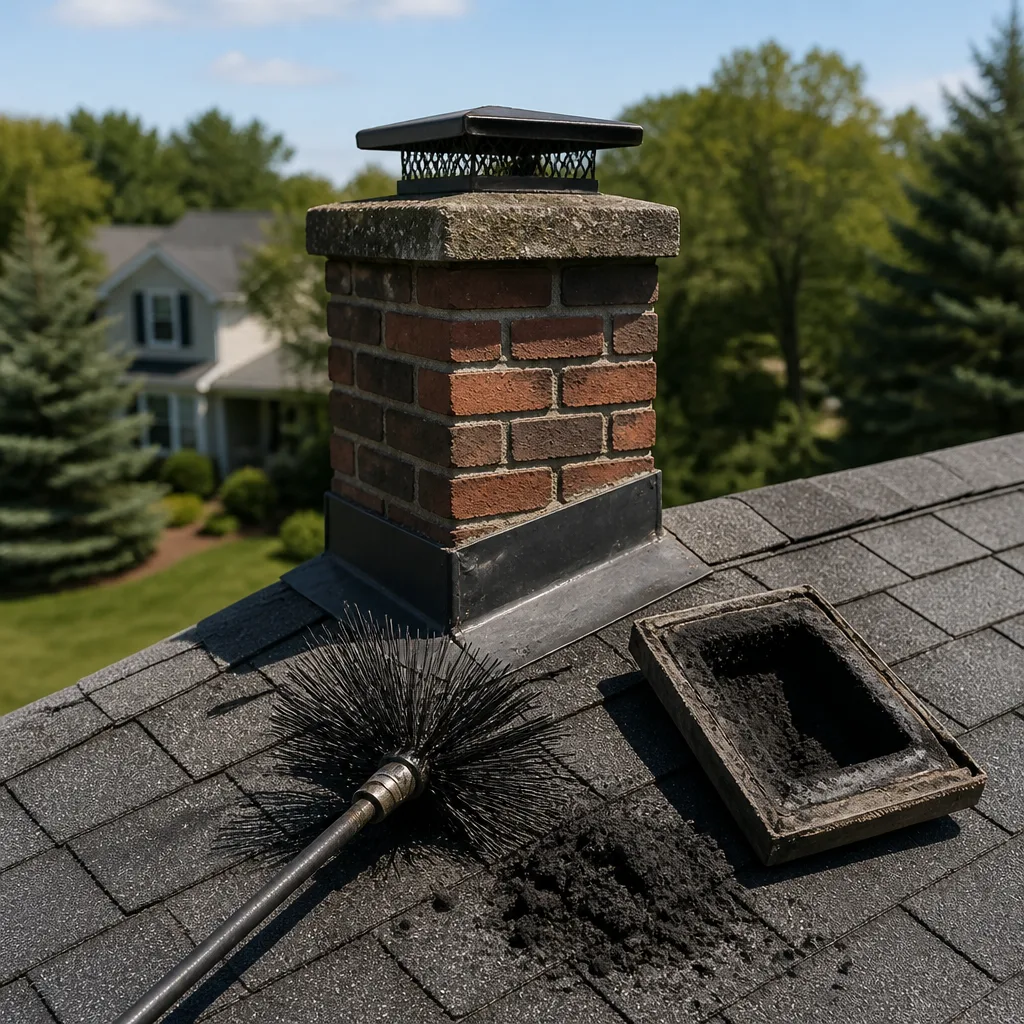
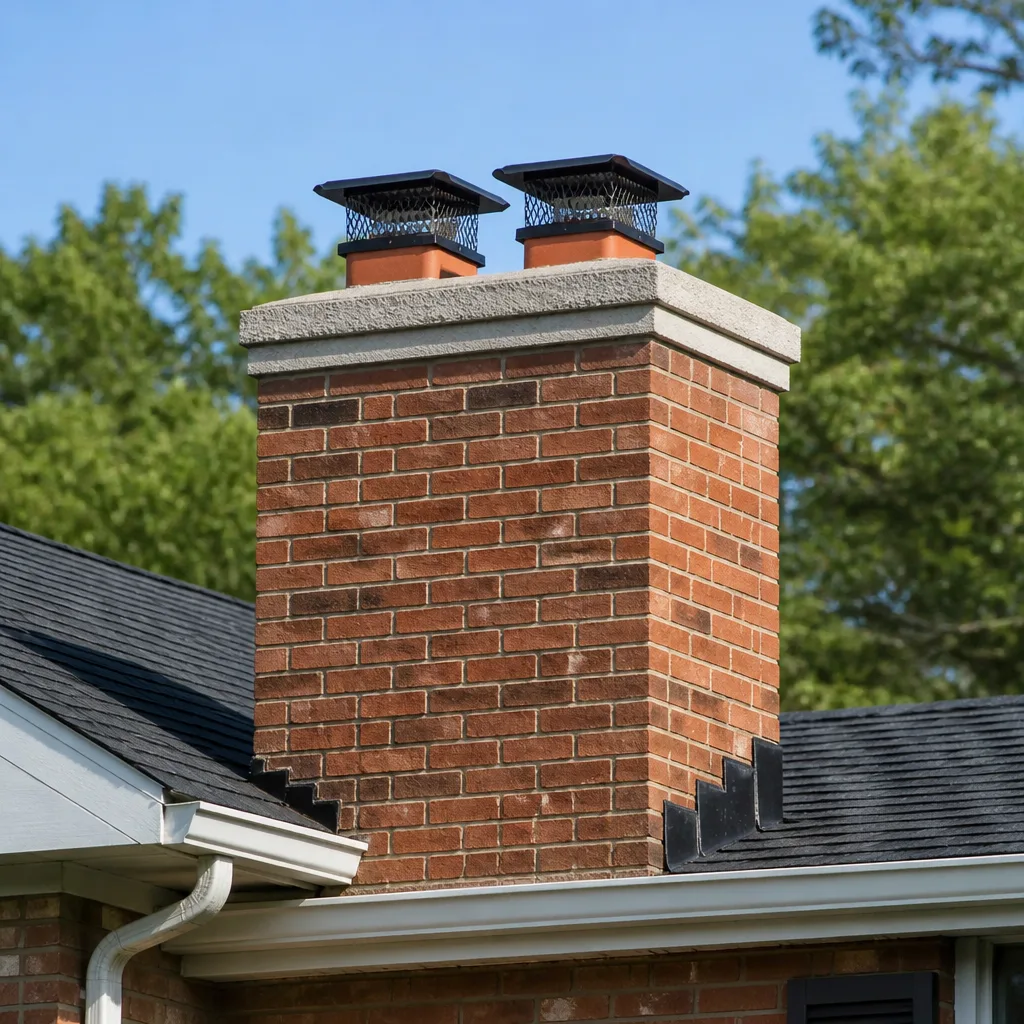 Caps & crowns
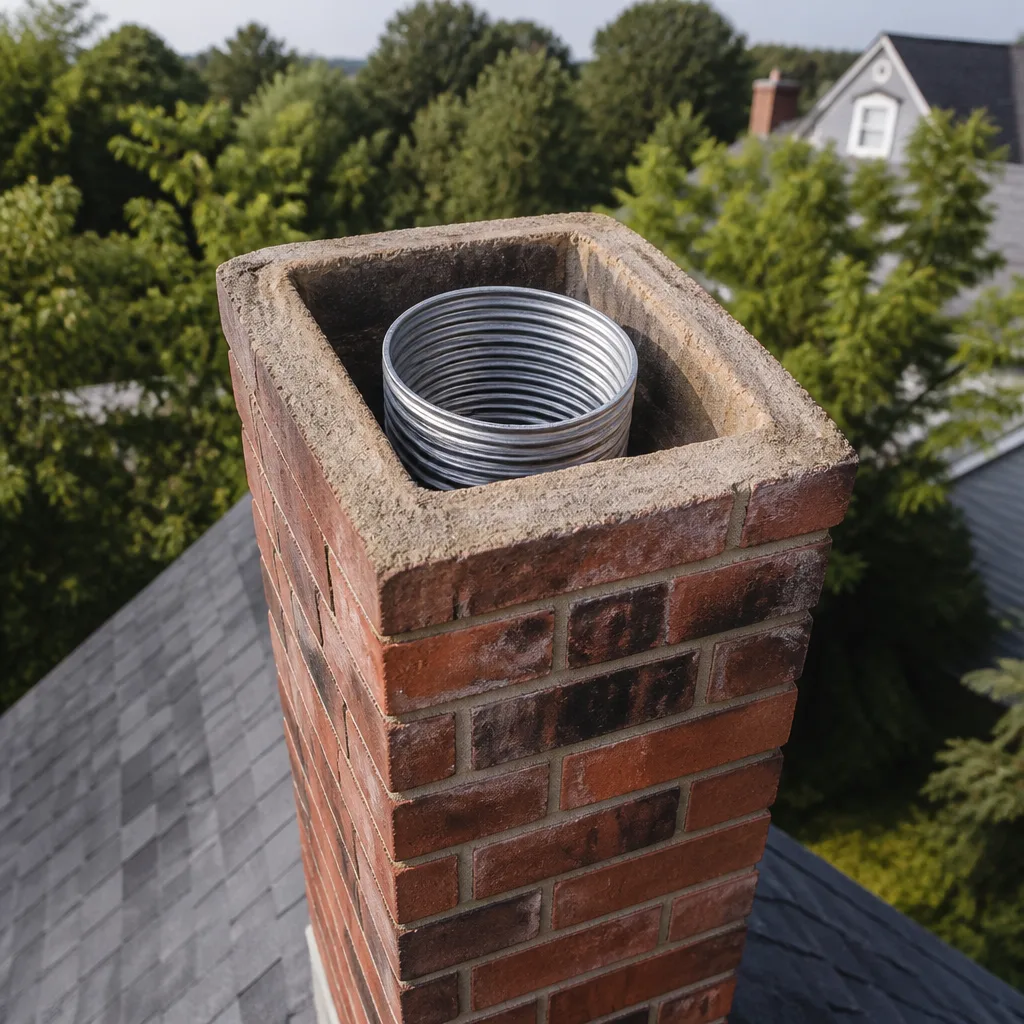 Flue relining
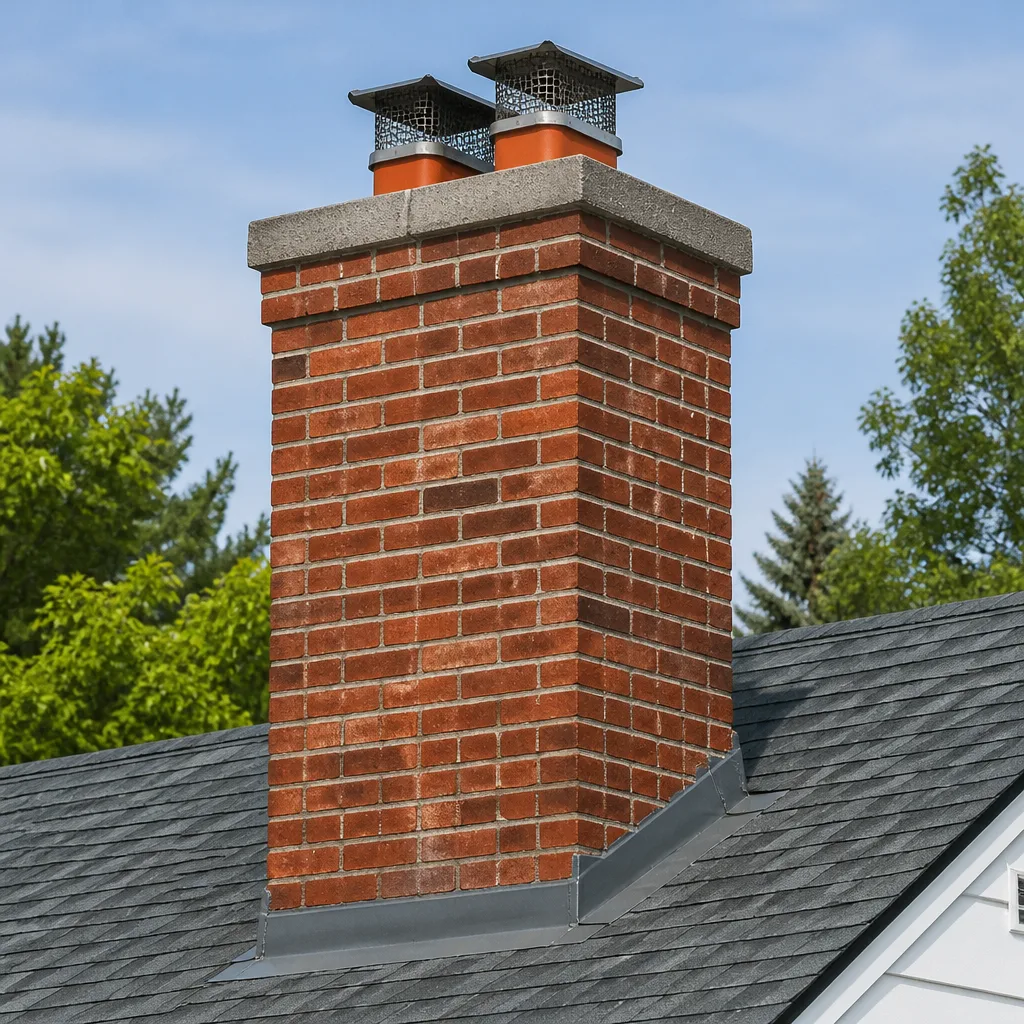 Masonry repair
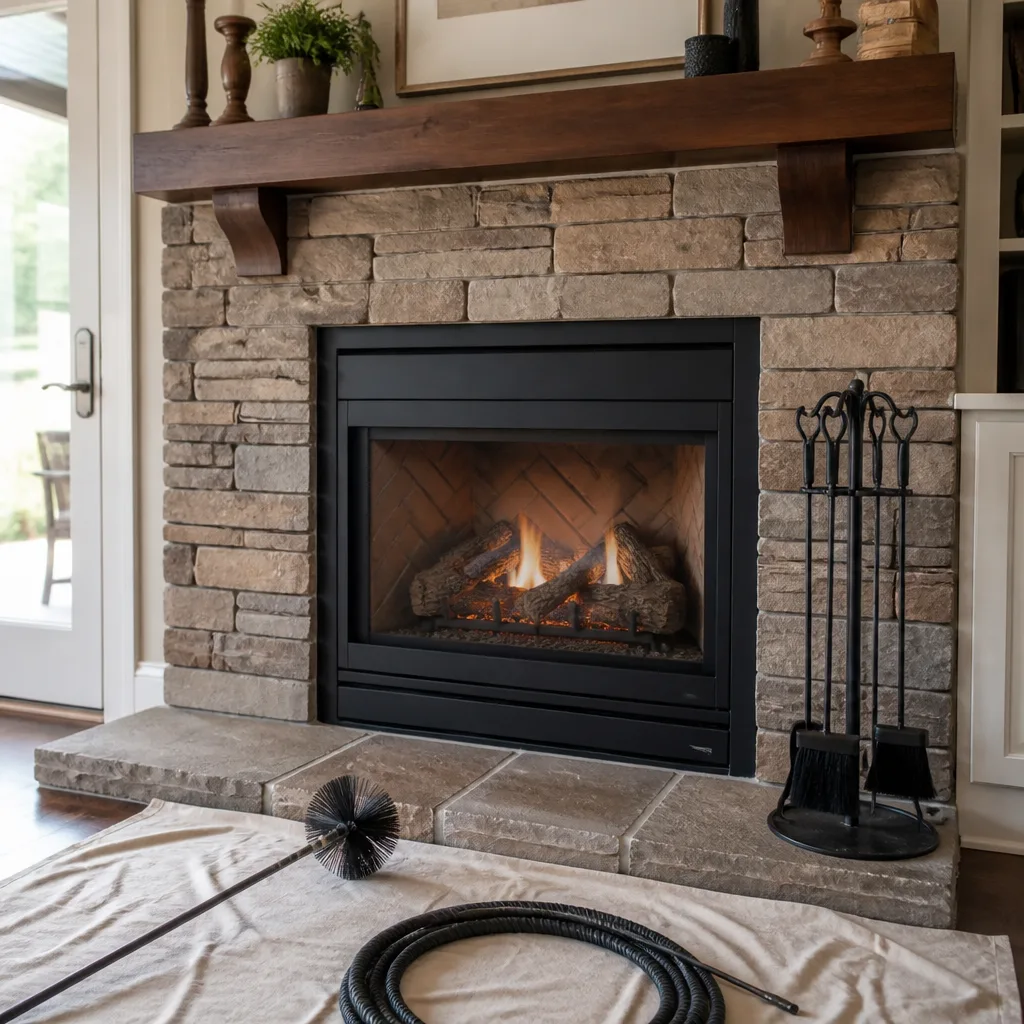 Gas fireplace service
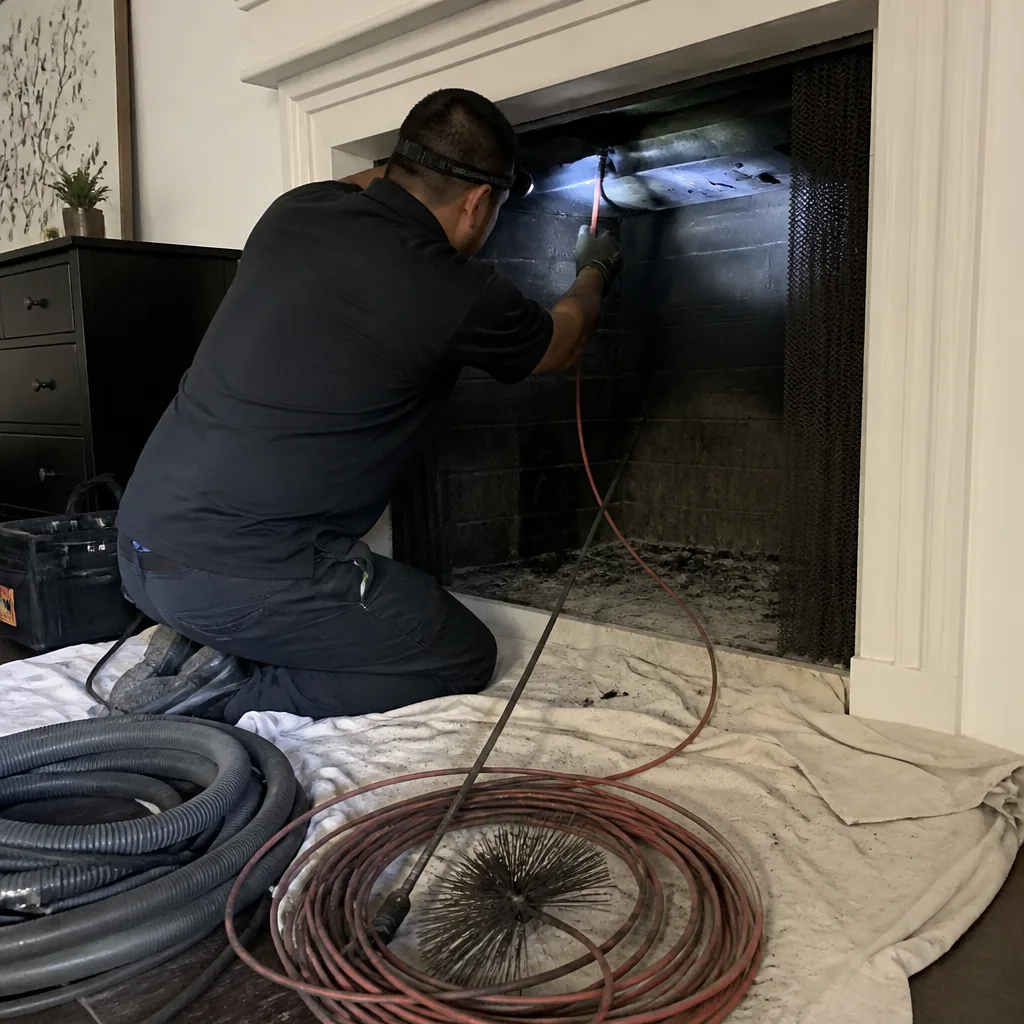
Level 1 sweep and inspection to the NFPA 211 annual standard - flue, crown, cap, and flashing checked and photographed
Chimney sweep logs do not sweep chimneys. They loosen some creosote - which then falls where a brush and vacuum still have to collect it.
How to Hire a Chimney Cleaning Contractor in Irving: A Step-by-Step Guide
Here’s the uncomfortable truth about hiring a chimney contractor in Irving: the barrier to entry is almost nothing. Anyone can buy a brush, print a business card, and call themselves a sweep by Friday. CSIA certification is the floor for a legitimate operator, not the ceiling, and yet fewer than half the chimney services working the DFW market actually hold it. That gap matters because the consequences of hiring wrong don’t show up the day of the appointment. They show up months later, during burning season, in the form of a chimney fire or a carbon monoxide reading you can’t explain. This guide gives you a technical framework for vetting a contractor before you hand over a credit card in Irving.
Quick Answer
To hire a chimney cleaning contractor in Irving, verify CSIA Certified Chimney Sweep status first, confirm the company performs inspection and repair alongside sweeping, and insist on a written inspection report with photo or camera evidence before approving any repair. A contractor who only cleans cannot give you an honest assessment of your chimney’s interior, because most defects sit above and behind the flue where a brush never sees.
Styles & brands we work with
- Sweep & inspection
- Caps & crowns
- Flue relining
- Masonry repair
- Gas fireplace service
Table of Contents
- Why Hiring Wrong in Irving Is Riskier Than It Looks
- The Credentials That Actually Matter
- Check the Scope of Work Before You Book
- Questions About Equipment That Separate Diagnostic Sweeps From Cosmetic Ones
- How to Compare Bids When One Includes a Level 2 Inspection
- Red Flags in Quotes and Proposals
- The Step-by-Step Vetting Process
- Common Mistakes to Avoid
Why Hiring Wrong in Irving Is Riskier Than It Looks
Irving sits in a stretch of North Texas where summers run hot for months and winters stay mild enough that a lot of homeowners light the fireplace a handful of times a season and assume the system is fine. That pattern is exactly what makes a bad hire dangerous. Creosote builds up gradually, and a chimney that gets intermittent use may not show obvious problems until enough glazed deposits accumulate to ignite. A sweep who doesn’t know how to look past the firebox won’t flag that buildup. A sweep who does will.
The other local wrinkle is housing stock. Irving has neighborhoods with masonry fireplaces built across several decades, and older chimney interiors were not always lined to current standards. A generalist handyman with a brush can knock soot off the flue walls, but recognizing a cracked clay tile liner, a gap in a mortar joint, or a flue sized wrong for the appliance it serves takes someone who works on chimneys every day. That’s the difference between a cleaning and an assessment.
We see this play out in the field constantly. The homeowner who calls after a chimney fire usually had a sweep the year before. What they didn’t have was anyone who inspected the system properly, documented what was found, and recommended a fix before the problem escalated. If you want to understand the inspection side first, the guide to Irving Chimney Cleaning is a reasonable place to start before you call anyone.
What “Cleaning” Actually Means
Sweeping removes creosote, soot, and debris from the flue and firebox using brushes sized to the flue, with a negative-pressure vacuum running to contain dust. That’s the mechanical part. What separates a real trade-level sweep is what happens before and after: an assessment of the flue interior via camera, a check of the damper, smoke chamber, cap, and crown, and a written record of condition. If a contractor describes cleaning as the whole job, they’ve just told you their ceiling.
The Credentials That Actually Matter
Credential talk in this trade gets muddy fast because there are real certifications and there are logos designed to look like real certifications. Here’s how to sort them.
CSIA Certified Chimney Sweep
The Chimney Safety Institute of America certification is the baseline credential in this industry. It verifies the individual has passed an exam on chimney and venting fundamentals, codes, and safety, and maintains ongoing education to keep it current. When you check a contractor’s website for CSIA status, look for the individual sweep’s certification, not a general “member” badge. A company can be a CSIA member while the person at your door holds no certification at all. Ask which technician is coming and confirm their credential.
NFI Certification for Gas Systems
If your home has a gas insert or a gas log set, the National Fireplace Institute certification matters more than most homeowners realize. Gas appliances vent differently than wood, and a technician servicing one needs to understand combustion, draft, and venting for that appliance type specifically. A wood-focused sweep can work on a gas system, but NFI certification signals specific training on gas-fired units and their venting requirements. Ask directly whether the technician holds it.
What a Logo Doesn’t Verify
- A “certified” claim with no issuing body named
- Membership in a local chamber or business association, which says nothing about chimney competence
- A generic “licensed and insured” line with no scope of the license
- A cost-of-service guarantee or a “best price” badge, neither of which relates to technical ability
None of these mean the contractor is bad. They mean the badge isn’t evidence. Ask for the specific certification and the technician’s name before you book in Irving.
Check the Scope of Work Before You Book
This is the section most homeowners skip, and it’s the one that determines whether you’ll get an honest inspection. A company that only sweeps is structurally unable to tell you what’s wrong with your chimney, because recommending repair isn’t part of their business model. That doesn’t make them dishonest. It makes their assessment incomplete.
Ask a simple question when you call: does the company perform repair and relining in-house, or does it only clean and refer? If it only cleans, it can still do a competent sweep, but you’re getting one service out of three, and the two missing ones are where the actual risk lives.
What a Full-Scope Chimney Contractor Covers
- Sweeping: removal of creosote and debris from flue, smoke chamber, and firebox
- Inspection: documented assessment of the flue, damper, crown, cap, flashing, and masonry condition, typically with camera or photo evidence
- Repair: liner relining, interior resurfacing, cap replacement, crown repair, and masonry work
We handle all three as integrated services because they inform each other. A sweep reveals conditions that drive the inspection, and the inspection drives the repair recommendation. When those live inside one company, nothing gets lost in the handoff between a cleaning outfit and a separate masonry crew. That’s a big part of why we work with professional-grade materials like DuraFlex liner systems and the HeatShield resurfacing system, so a repair recommendation can be executed with the right products for the job rather than whatever the crew has on the truck.
A Level 2 inspection is the standard a real assessment should meet. It includes a camera examination of the flue interior and a documented report. If the company you’re vetting can’t perform one, ask why, and factor the answer into your decision.
Questions About Equipment That Separate Diagnostic Sweeps From Cosmetic Ones
Equipment tells you more about a chimney contractor than their website does. A cosmetic sweep shows up with a brush, a rope, and a shop vac. A diagnostic operation brings tools that let them see and measure what a brush can’t reach.
Camera Inspection Systems
Ask whether the contractor uses a camera system to inspect the flue interior. A chimney camera lets the technician see cracks, gaps, offsets, and deposits inside the liner without disassembling the chimney. If a crew shows up, brushes the flue, and hands you a verbal “looks fine,” you’ve been given an opinion, not an assessment. A camera inspection produces images you can look at yourself, which is the whole point. You should be able to see what they see.
Negative-Pressure Vacuums
A negative-pressure vacuum is sized to the work: it pulls the air around the chimney opening inward so soot and dust stay in the flue instead of drifting into your living room. A contractor who doesn’t run one, or runs an undersized shop vac, is going to leave a film of ash on your furniture. Ask what vacuum they use. If the answer is vague, treat that as a signal about how carefully the rest of the job is planned.
Liner Measurement Tools
This one is subtle. A contractor recommending a liner relining needs to know the flue’s exact dimensions, including any offsets or transitions. That comes from measurement, not estimation by eye. When we recommend a DuraFlex liner sized to your flue, it’s based on actual measurements taken during the inspection, not a guess from the outside. Ask how the contractor measures before they quote a relining job.
Product Knowledge
Ask what brands the contractor works with. Chimney specialists tend to name professional-grade materials because they use them. Familiarity with DuraFlex for relining or HeatShield for interior resurfacing is a signal of trade-level product knowledge, and it suggests the company handles the parts of the job that go beyond surface cleaning. Cap and venting work often points to Gelco or Olympia Chimney components. A contractor who can’t name the materials they install is a contractor who probably doesn’t install them.
How to Compare Bids When One Includes a Level 2 Inspection
This is where a lot of Irving homeowners get taken, and it isn’t malicious. Two quotes come in and one is significantly lower, so the lower one wins. But if one company quoted cleaning plus a Level 2 camera inspection and the other quoted cleaning only, you’re comparing a two-service visit against a one-service visit. They aren’t the same job.
Line-Item What You’re Getting
Put both quotes side by side and answer these questions for each:
- Does the price include a camera inspection of the flue interior?
- Is a written report included, with photos or images?
- Is the smoke chamber and damper included, or is it flue-only?
- Are the cap, crown, and flashing checked?
- Does the company perform repair in-house if something is found?
- Is the price fixed per job, or can it change once work starts?
If the cheaper quote answers “no” or “not included” to the first three, it isn’t cheaper. It’s smaller.
Watch for What’s Not in the Quote
A quote that says “chimney cleaning” with no line items is a quote you can’t compare to anything. It also leaves the door open for upcharges at the appointment. Insist on a written estimate that lists what will be done. When we quote a job in Irving, the written estimate sets the final price. That protects you and it forces the recommendation to be specific rather than a vague “you need work.”
If a company quotes a relining or resurfacing job before any camera inspection has been done, that’s not a quote. It’s a guess with a dollar sign on it.
Red Flags in Quotes and Proposals
Most bad chimney experiences follow the same handful of patterns. Learn the patterns and you’ll spot them before the appointment.
- Vague line items. A quote that says “chimney work” or “repairs as needed” without naming what will be done and where is a quote designed to stay fuzzy.
- No written inspection report. If the contractor leaves without a document describing what was inspected and what condition it’s in, you have nothing to compare against next season and nothing to hold anyone to.
- Pressure to approve repairs the same day, without documentation. A real recommendation comes with camera images or photos and a clear explanation of what the problem is. If you’re being pushed to sign before you’ve seen evidence, walk.
- A recommendation for liner replacement with no measurement and no camera inspection. Relining is a legitimate and often necessary repair, but no competent technician quotes one blind.
- No certification named, or a “certified” claim with no issuing body. Ask who certified the technician and confirm it.
- No in-house repair capability. If the company only sweeps, its inspection is limited by what its business can act on.
- Price quoted before anyone has looked. Chimney condition varies too much from house to house for a phone quote to be trustworthy on repair work.
There’s also the opposite failure: a company that finds a small problem and recommends a full relining. The way to check is the same in both directions. Ask to see the evidence. Any technician worth hiring will show it without hesitation.
The Step-by-Step Vetting Process
Here’s the sequence. Work through it in order before you book.
- Confirm CSIA certification. Check the individual technician’s name, not just the company’s membership. Ask which sweep will be at your home and confirm their credential.
- Ask about gas certification if you have a gas appliance. If there’s a gas insert or log set in Irving, confirm NFI certification for gas systems.
- Ask what the company actually does. Sweeping, inspection, and repair all in-house, or cleaning only? This tells you how complete their assessment can be.
- Ask what equipment comes to the job. Camera inspection system, negative-pressure vacuum, liner measurement tools. Vague answers here are a signal.
- Request a written estimate before the appointment. Confirm what the price covers and that it’s set per job, so there are no surprises once the technician is in your driveway.
- Confirm a written report is included. You want documentation of the inspection, not a verbal summary at the door.
- Book before burning season. The reason to act now is seasonal, not urgent. A sweep and inspection booked before heating starts gives you time to handle any repair on your schedule instead of in a panic.
If you want to see what a sweep plus inspection visit looks like from the other side, this overview of chimney sweep services walks through what happens during a visit. Our technicians have up to 11 years of experience, and the credential questions above are the ones we expect and welcome.
Common Mistakes to Avoid
- Hiring on price alone. A cheap sweep and a real diagnostic visit aren’t the same product, and the difference won’t show up in the invoice. It shows up in what the visit misses.
- Assuming a generalist is fine. A handyman who adds chimney cleaning to a broad menu may do a passable brush job, but chimney systems have their own codes and failure modes. Irving homeowners with older masonry chimneys need someone who works on chimneys specifically, not as one line on a longer list.
- Skipping the camera inspection. A brush can’t find a cracked liner or a gap in the smoke chamber. Without a camera, the assessment is incomplete by definition, and the defects that matter most are the ones the brush never touches.
- Accepting a repair quote without seeing the evidence. Relining or resurfacing can be entirely appropriate, but the recommendation should come with documented images. Anything else is a guess.
- Getting an inspection but no written report. A verbal summary vanishes. You want something on paper you can reference next season and show to anyone else working on the house.
- Comparing a Level 2 inspection bid to a cleaning-only bid as if they’re equal. Line-item both quotes before you decide. They’re different jobs at different scopes.
- Waiting until something smells wrong. Creosote buildup doesn’t announce itself. The time to inspect a chimney in Irving is before the season starts, not when smoke starts coming into the room.
- Not asking whether repair is done in-house. If the sweep can’t fix what the inspection finds, you’re managing two contractors and a handoff where accountability can slip.
See the difference
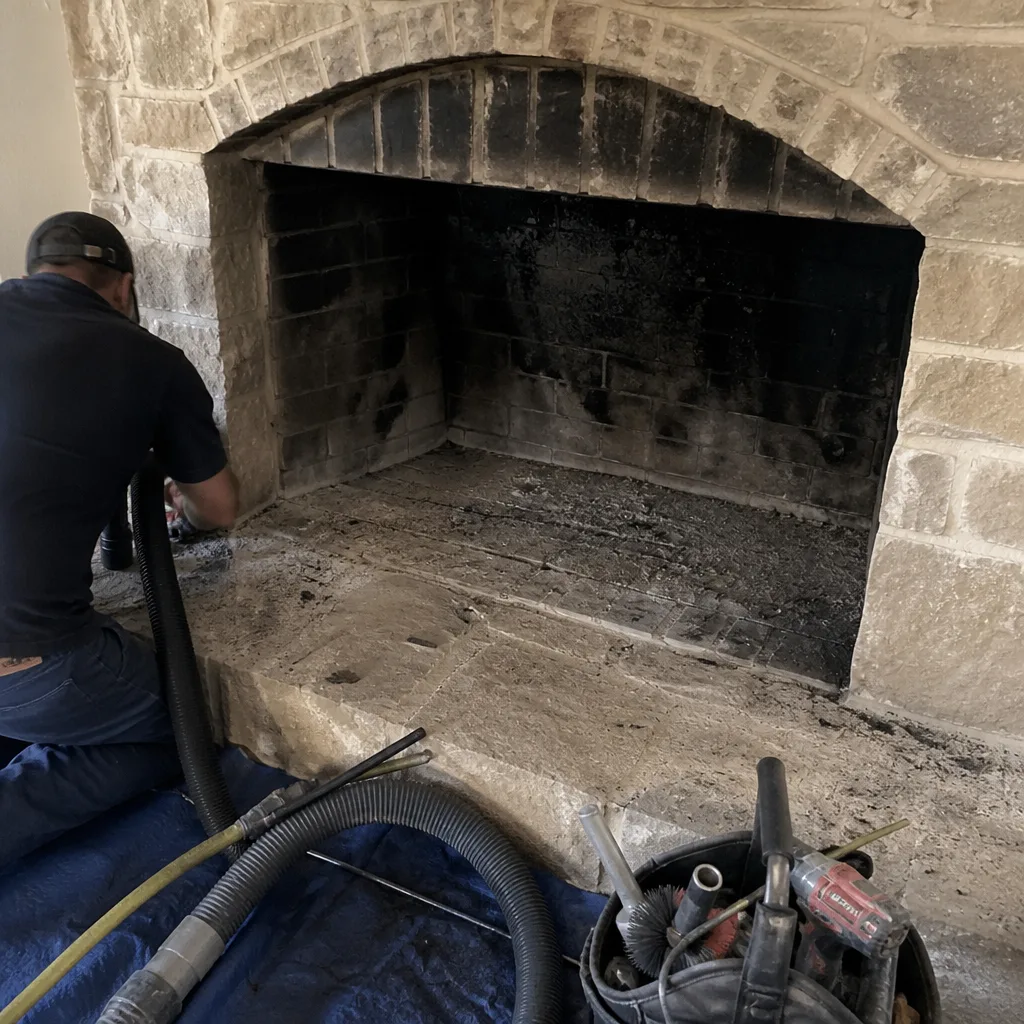 Before
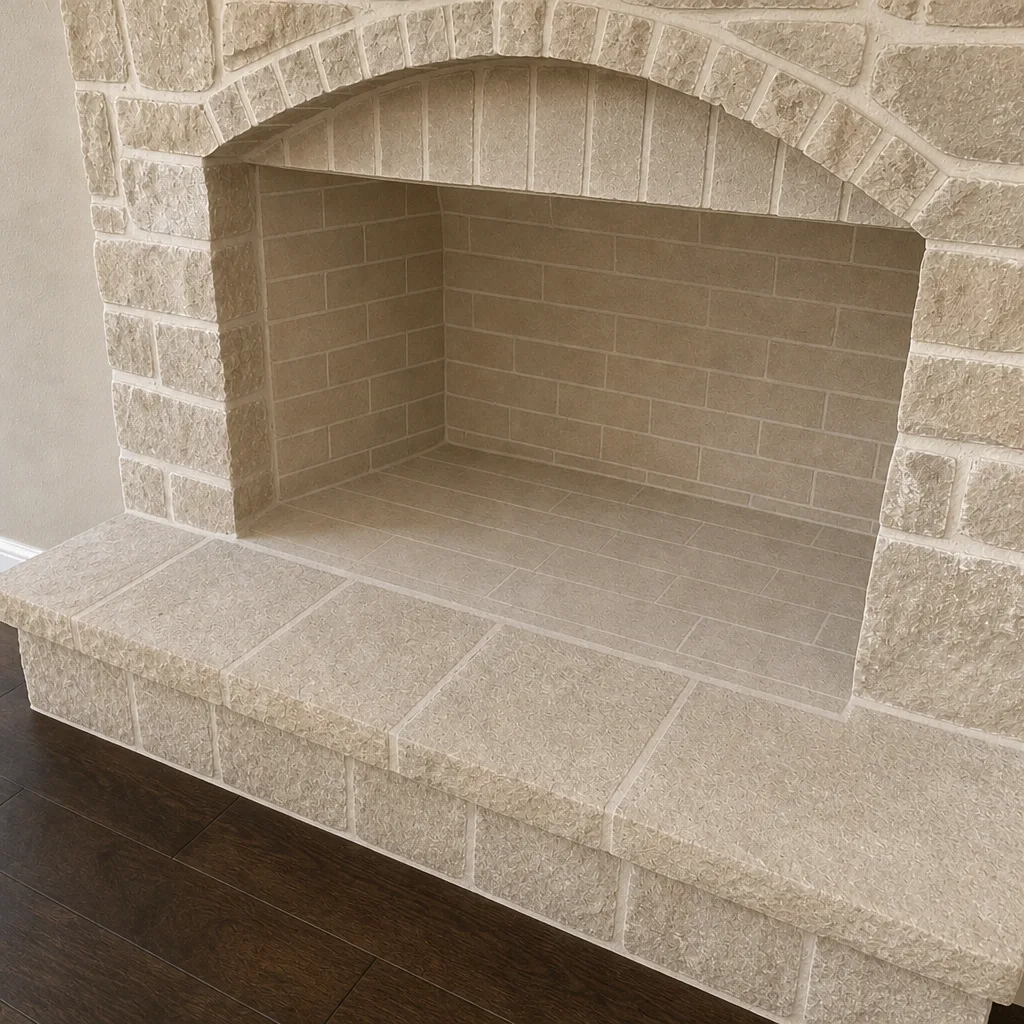 After
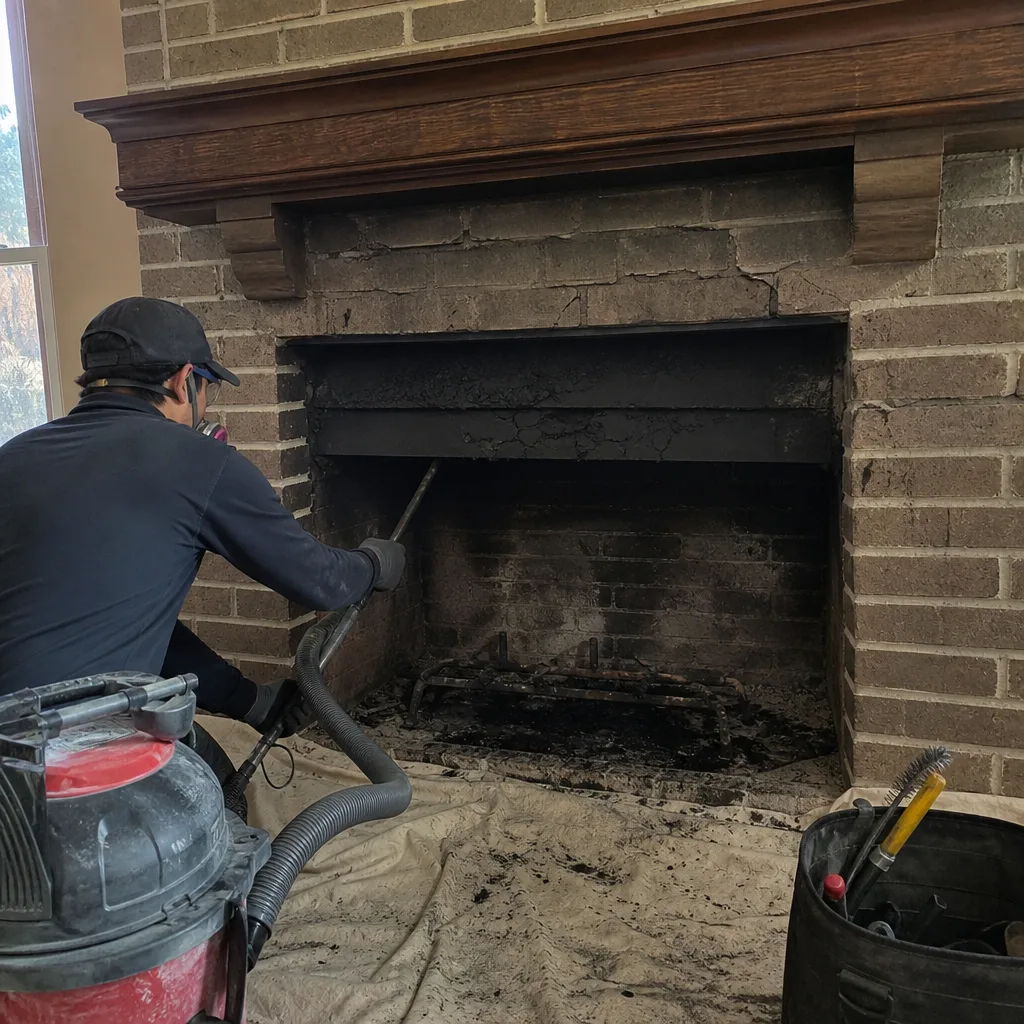 Before
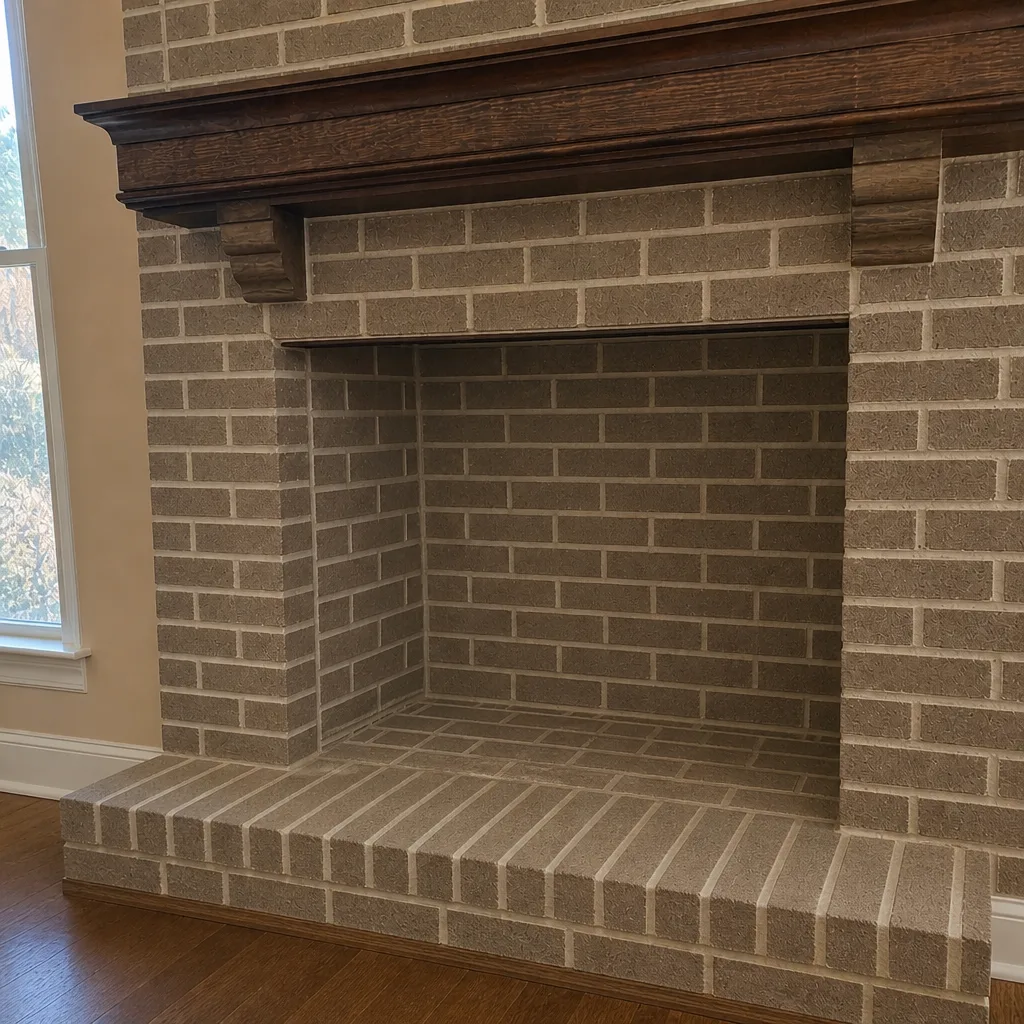 After
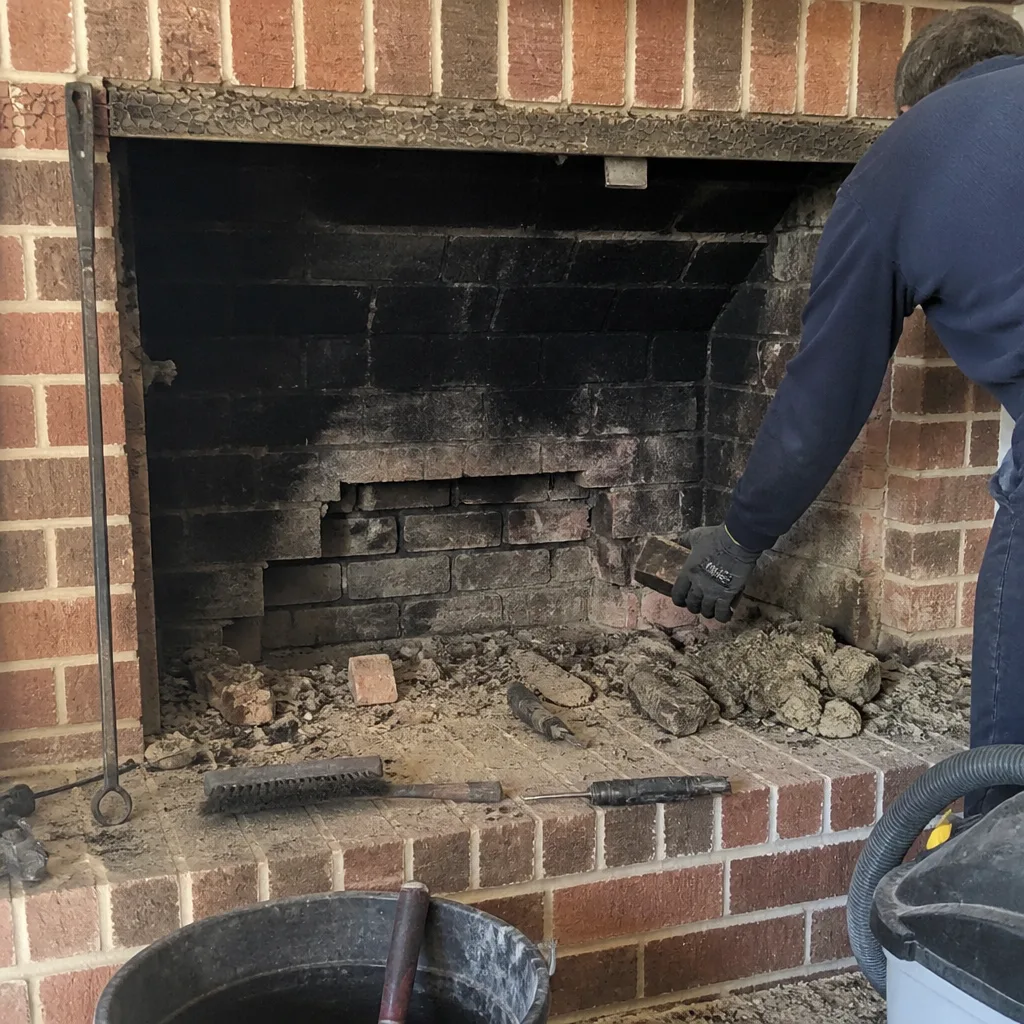 Before
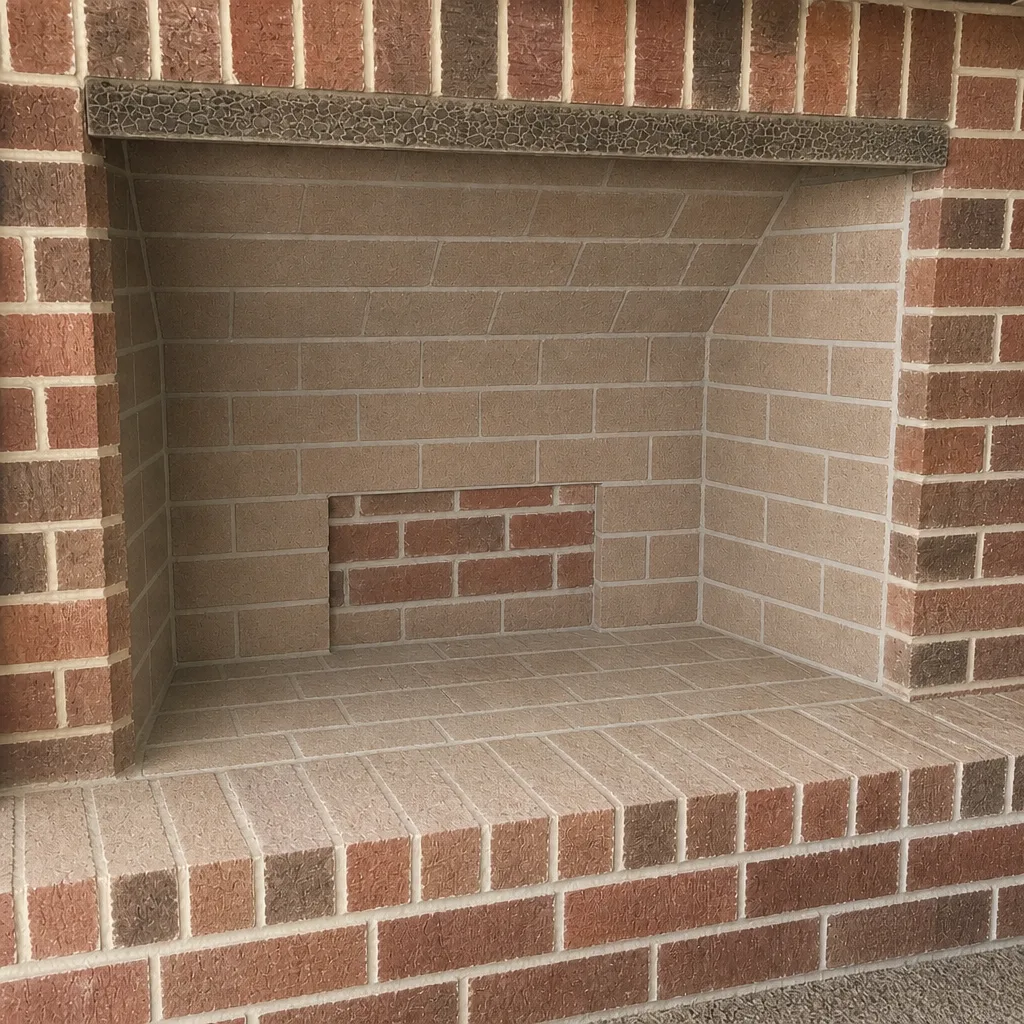 After
When to Call a Professional
Some chimney issues are obvious and some aren’t. Call a professional if you see glazed or puffy creosote on the flue walls, if smoke rolls into the room when you light a fire, if you smell a strong creosote odor even when the fireplace is cold, or if the damper doesn’t open and close smoothly. Any sign of water staining on the ceiling near the chimney is worth an inspection, and so is a cap that’s missing, cracked, or loose. If you’ve never had the chimney inspected since moving in, that’s reason enough. Carbon monoxide is invisible and has no smell, so a gas appliance that hasn’t been checked in a while deserves attention.
Irving Chimney Cleaning offers free estimates in Irving. Call (855) 955-5057. We answer 24/7. Fast dispatch from 7am to 7pm, Sunday through Friday.
Frequently Asked Questions
Ask for the individual technician’s CSIA certification and confirm it through the CSIA directly. Company membership badges don’t verify the person coming to your door. Our technicians have up to 11 years of experience, and we’ll name the certification on request. Call (855) 955-5057 for details.
It doesn’t have to, but it matters for the honesty of the inspection. A company that only sweeps can’t act on what it finds, which limits how thorough its assessment will be. A full-scope contractor can sweep, inspect with a camera, and repair the same visit. We handle all three, which means nothing gets lost in a handoff. Call (855) 955-5057 to book.
Cleaning removes creosote and soot from the flue and firebox. A Level 2 inspection is a documented assessment of the whole system, including camera examination of the flue interior and a written report. They’re different services, and when you compare bids in Irving, confirm which one each quote includes before deciding. Call (855) 955-5057 for a free estimate.
No. Nothing is recommended without camera or photographic evidence you can see for yourself, and if a repair can safely wait, we’ll tell you that. A recommendation should always be backed by documentation, not delivered as a same-day sales pitch. Call (855) 955-5057 to schedule an inspection.
For a wood-burning fireplace, most homes need a sweep and inspection once a year, based on use. Light use may stretch the interval, but annual inspection is the standard for catching liner and masonry problems early. If you’ve moved into a home with an unknown history, book one before the season. Call (855) 955-5057 for a free estimate.
Look for professional-grade materials used by chimney specialists, not general hardware. We work with DuraFlex liner systems and HeatShield resurfacing, along with Gelco and Olympia Chimney components for caps and venting, because those are the materials the trade relies on for relining, interior repair, and full-system work. A contractor who can’t name the materials they install probably doesn’t install them. Call (855) 955-5057 to discuss your system.
Only if you line-item both. A cleaning quote and a cleaning-plus-inspection quote are different scopes, and the lower price is often the smaller job. Ask each contractor exactly what’s included, whether a written report is part of it, and whether repair work is done in-house. Call (855) 955-5057 for a written estimate you can compare directly.
The Bottom Line
Hiring a chimney contractor in Irving comes down to four checks: confirm the technician’s CSIA certification, verify the company performs inspection and repair alongside cleaning, ask what equipment comes to the job, and insist on a written inspection report with evidence before approving any repair. If you’re weighing bids, line-item each one, because a cleaning-only quote and a cleaning-plus-inspection quote aren’t comparable. If you’re looking for related reading on the repair side, the guide to chimney repair covers what relining and resurfacing involve, and the overview of Double Oak is worth a look if you’re nearby. One last point: if the sweep can’t show you what they found, they haven’t finished the job.
Irving Chimney Cleaning offers free estimates in Irving. Call (855) 955-5057. We answer 24/7. Fast dispatch from 7am to 7pm, Sunday through Friday.
Written by the team at Irving Chimney Cleaning.