
Last updated November 16, 2026
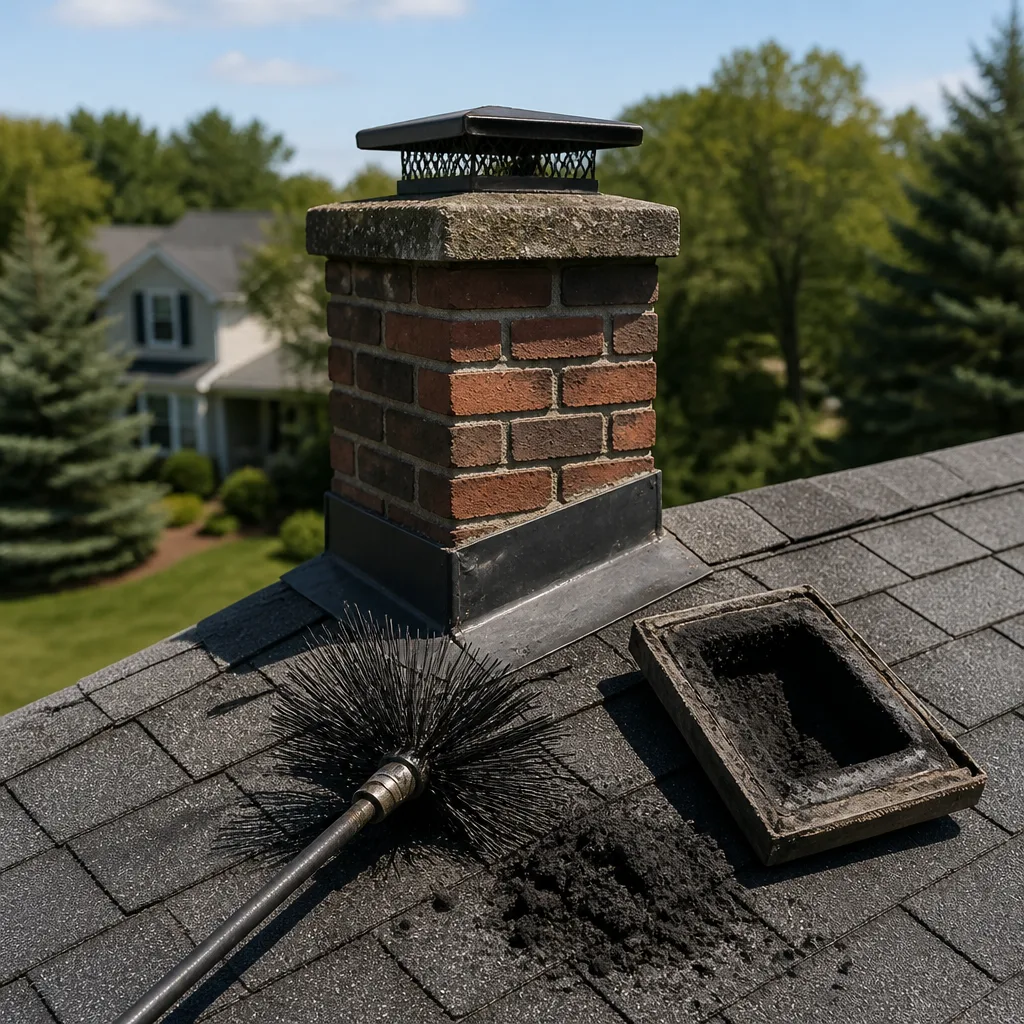 Sweep & inspection
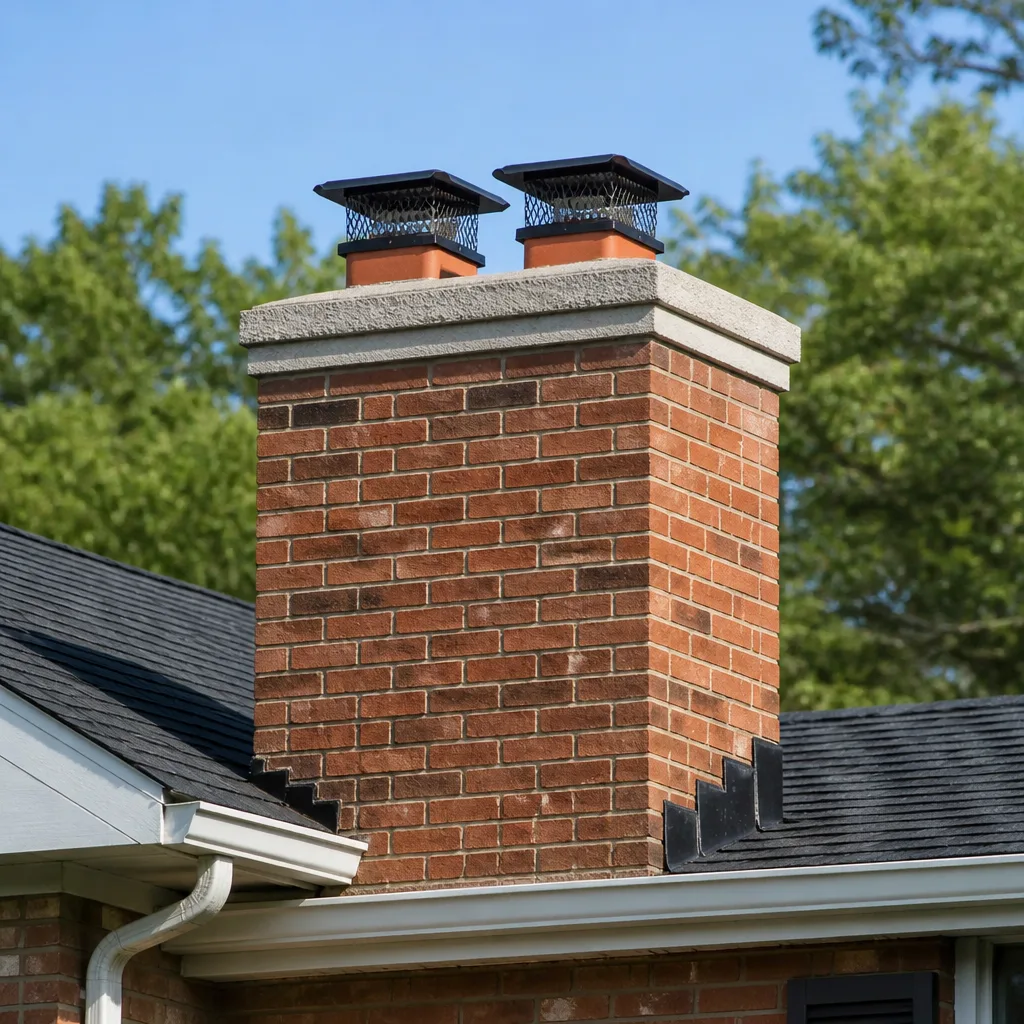 Caps & crowns
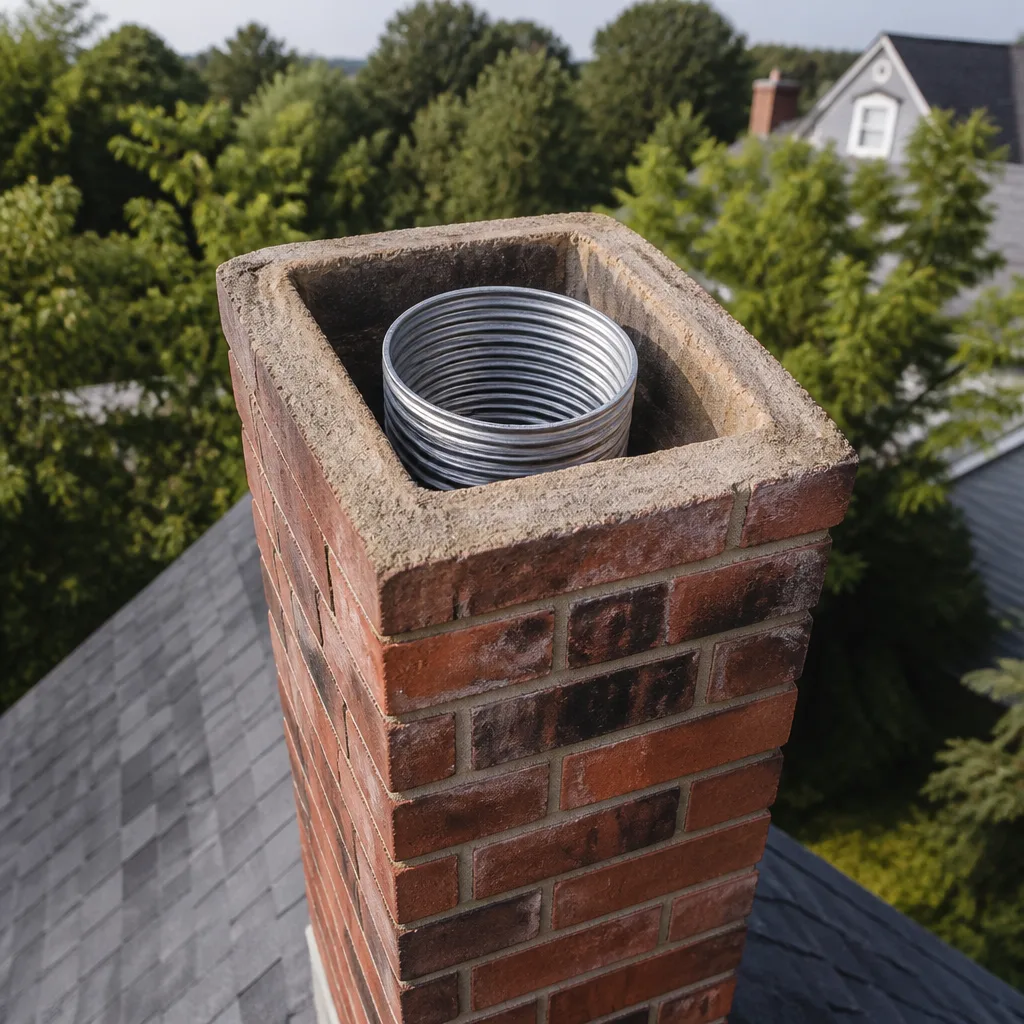 Flue relining
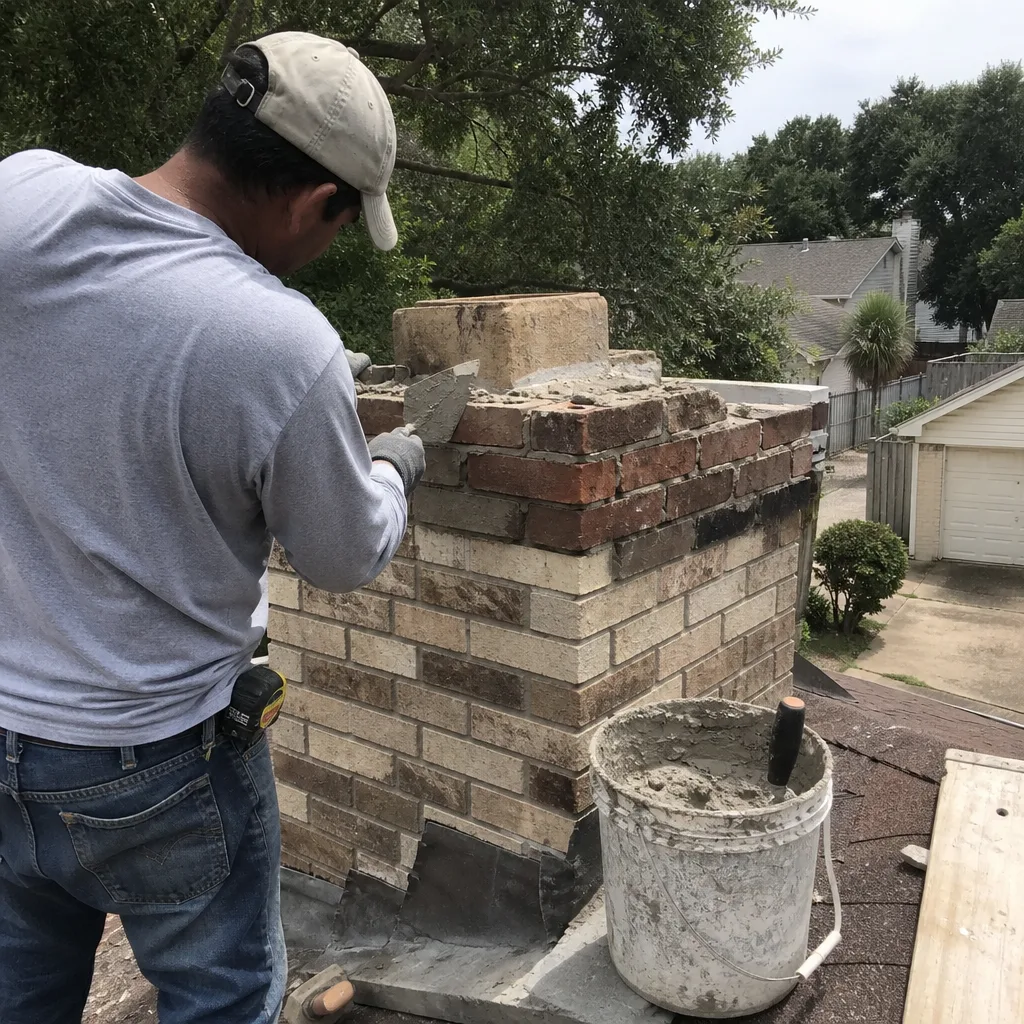
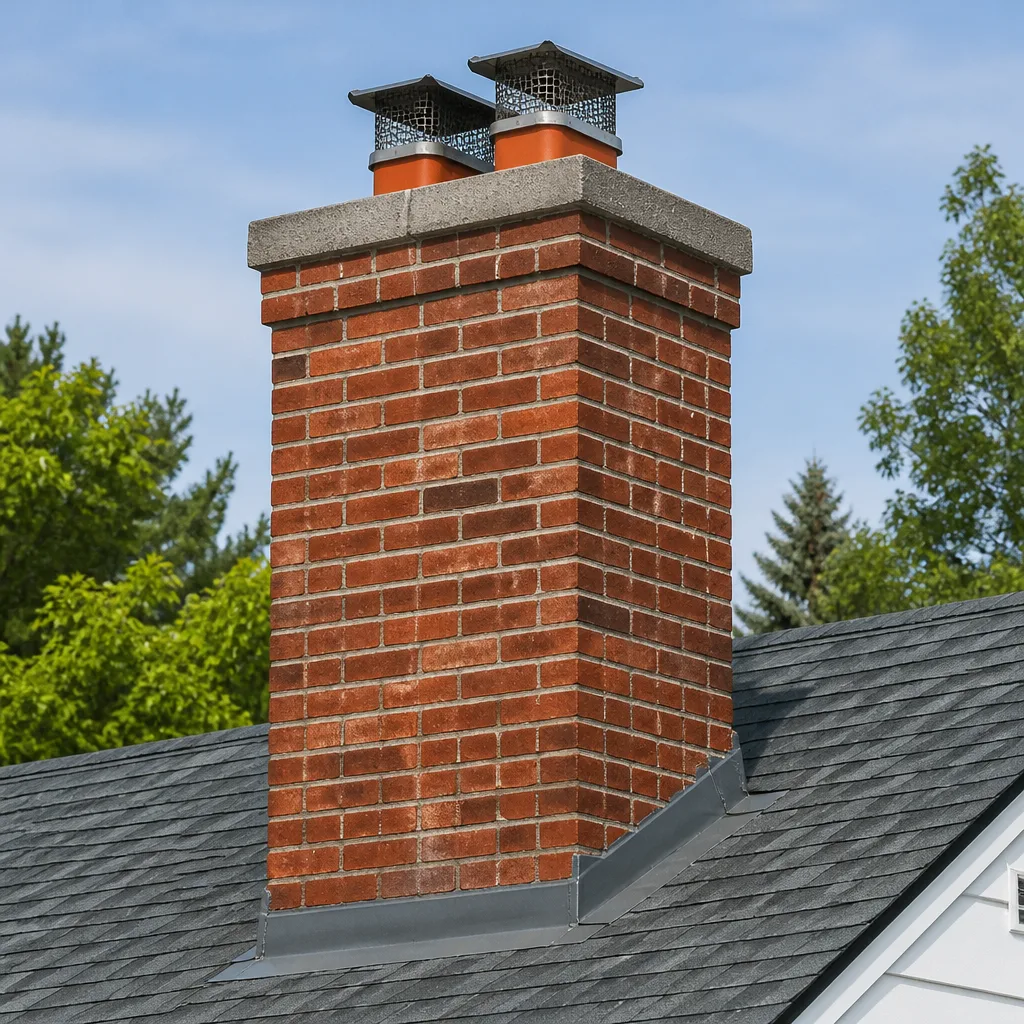 Masonry repair
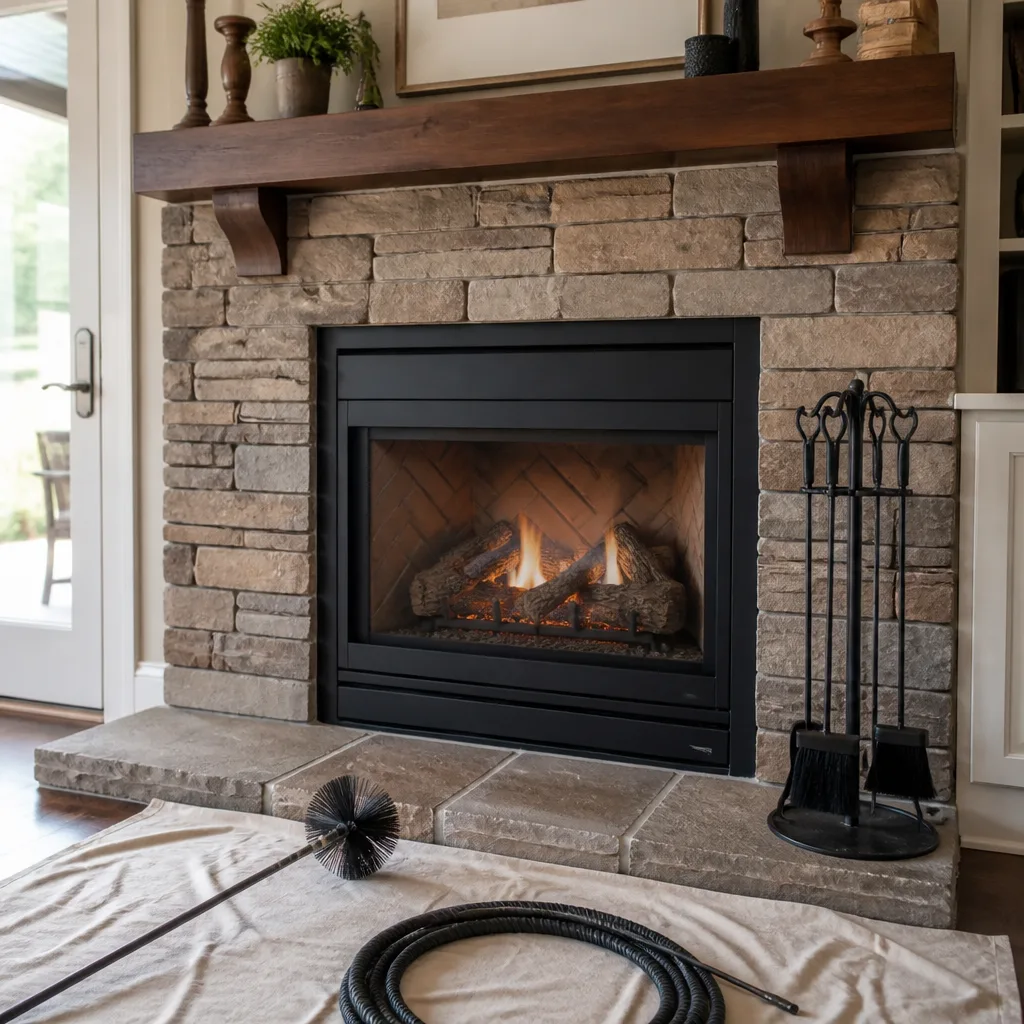 Gas fireplace service
Level 1 sweep and inspection to the NFPA 211 annual standard - flue, crown, cap, and flashing checked and photographed
Chimney sweep logs do not sweep chimneys. They loosen some creosote - which then falls where a brush and vacuum still have to collect it.
DIY vs Professional Chimney Cleaning: The Irving Homeowner’s Decision Guide
You can buy a brush kit for less than the cost of a decent dinner out, run it up a straight flue, and pull down a satisfying pile of black soot. That much is true, and it’s why the DIY-versus-pro debate keeps resurfacing. But pulling soot out of a chimney and knowing whether that chimney is safe to burn in are two different jobs. One removes what you can see. The other tells you what’s hiding behind it. This guide breaks down what a DIY sweep can honestly accomplish, what it physically cannot detect, where a self-clean crosses from smart savings into false confidence, and how the real cost comparison shakes out for an Irving homeowner.
Quick Answer
A DIY chimney sweep can remove light soot from a straight, accessible flue, but it cannot inspect the liner, test the draft, assess creosote glazing, or verify that combustion gases are venting where they should. For a lightly used fireplace with a clean history, self-cleaning between professional inspections is reasonable. For a chimney with heavy creosote, an aging clay tile liner, or no inspection on record, a DIY sweep removes the visible warning sign and leaves the dangerous one in place. In Irving, a professional sweep bundled with a Level 1 or Level 2 inspection is the only path that gives you both a clean flue and documented proof it’s safe to burn.
Styles & brands we work with
- Sweep & inspection
- Caps & crowns
- Flue relining
- Masonry repair
- Gas fireplace service
Table of Contents
- What a DIY Sweep Can and Cannot Do
- The Tools a Proper Sweep Actually Requires
- The Diagnostic Gap: What a Brush Leaves Behind
- When DIY Is Fine and When It Creates False Safety
- The Liability and Insurance Question
- Honest Cost Comparison: DIY vs Professional in Irving
- Creosote: The Variable That Decides Everything
- Common Mistakes to Avoid
What a DIY Sweep Can and Cannot Do
A homeowner with the right brush and enough patience can physically clear loose soot from a straight vertical flue. That is the honest ceiling of the DIY sweep. Past it, the job requires the ability to see inside the chimney, evaluate what you find, and connect that finding to how the whole system is venting.
What DIY can do:
- Remove loose, powdery soot from a straight flue accessible from the firebox or roof.
- Knock down light stage-one creosote from the visible flue walls.
- Clear an obvious obstruction you can reach, like a bird’s nest or leaf buildup, from the top down.
- Reveal how much soot is accumulating so you know when you’re burning dirty.
What DIY cannot do:
- Detect a hairline crack in a clay tile liner that’s venting carbon monoxide into the wall cavity. From above, a cracked tile looks like a tile.
- Measure draft strength or verify that smoke is actually traveling up and out rather than spilling back into the room under certain conditions.
- Assess creosote glazing (stage three), which has bonded to the flue surface and won’t come off with a brush no matter how hard you push.
- Evaluate the cap, the crown, the damper, and the smoke chamber as a complete system.
- Document anything. A DIY sweep produces a clean firebox and no record.
The distinction matters because a chimney doesn’t usually fail in a way you can see from the living room. It fails in the details you can only reach with a camera, a test, and the training to read them. That’s the gap our chimney sweep visit is built to close.
The Tools a Proper Sweep Actually Requires
Most homeowners who attempt a DIY sweep own the wrong tools for it. A fireplace poker, a shop vac, and a wire grill brush are the usual starting kit. None of those belong inside a flue. A proper sweep uses equipment sized and shaped for the job, and the difference in result is not marginal.
Here’s what the trade actually uses:
- Correctly sized polypropylene brushes. Sized to the flue, not the firebox. An oversized brush jams or damages tile; an undersized one leaves creosote on the walls. Most homeowners own neither size.
- Flexible whip or rod systems for navigating offsets and bends. A straight flue is a rarity in older masonry chimneys.
- A heavy-duty HEPA vacuum rated for fine ash running the entire time. A standard shop vac vents fine soot back into the room, and it can clog fast enough to overheat.
- Drop cloths and a sealed firebox cover to keep the job contained. Soot travels further than people expect.
- A chimney camera for the internal inspection. This is the tool that separates a sweep from a diagnostic.
- Draft and combustion testing tools to confirm the system is venting as designed.
Add the PPE: proper respiratory protection, eye protection, and gloves rated for the job. A homeowner buying all of this to clean one chimney once is spending more than a professional visit in most cases. Our technicians have up to 11 years of experience, and much of that experience is knowing which tool and which brush reaches a specific problem in a specific flue. The equipment is only half of it.
The Diagnostic Gap: What a Brush Leaves Behind
This is the heart of the case for professional cleaning, and it’s the point most DIY-versus-pro comparisons skip entirely. The question isn’t only whether you can get the soot out. It’s whether you learn anything about your chimney’s condition in the process. A brush sweep, done alone, tells you almost nothing beyond “I removed the soot I could reach.”
Here’s what a professional inspection adds on top of the sweep:
Video camera inspection. A camera run down the flue shows the condition of the liner tile by tile. It finds cracked tiles, gaps in the joints, misaligned sections, and creosote glazing that a brush can’t touch. This is the single most important diagnostic step, and it’s impossible with a brush alone.
Draft test. A draft test confirms that smoke and combustion gases are actually moving up and out under normal conditions. A chimney can look clean and still fail to draft, which means smoke and CO can backdraft into the living space. You cannot feel a draft problem from the firebox.
Liner assessment. The liner is where approved materials matter. When we reline a deteriorated chimney, we use DuraFlex, a professional-grade stainless liner system. When the liner is intact but the interior masonry is spalling, a resurfacing system like HeatShield can restore the flue surface without a full reline. Both are decisions that require a diagnosis no brush sweep can provide. A homeowner who self-sweeps would have no way to know which – if either – is needed.
Cap, crown, and chase evaluation. Products like Gelco and Olympia Chimney cover caps and venting components, and the condition of those parts affects the whole system. A missing or damaged cap lets water and animals in. A failing crown lets moisture into the masonry. Neither shows up on a firebox-level clean.
The diagnostic gap is the real reason for professional cleaning. The sweep is the entry point. The inspection is what protects the home.
When DIY Is Fine and When It Creates False Safety
DIY isn’t always wrong. There are legitimate cases where a homeowner can manage between professional visits. The problem is when a DIY sweep is used to answer a question it wasn’t designed to answer. The chimney gets brushed, the homeowner believes it’s been “cleaned,” and nobody has actually looked at whether it’s safe.
When DIY between visits is reasonable:
- The fireplace is lightly used and has a documented clean inspection within the last year.
- Creosote buildup is light (stage one, powdery and dry) and you can genuinely reach the full flue.
- You’re simply clearing ash and loose debris from the firebox floor, not the flue itself.
- You want to reduce soot between scheduled professional cleanings, not replace them.
When DIY creates a false sense of safety:
- Heavy creosote buildup. If the flue has glazed (stage three) creosote, a brush won’t remove it, and the homeowner often assumes the clean result means it’s gone. It isn’t. Glazed creosote is the fuel for a chimney fire.
- An aging liner or masonry chimney. Older Irving homes with clay tile liners that have never been inspected are the highest risk. A DIY sweep can pass right over a cracked tile and leave everything looking fine.
- A recent heavy burn season. More burning means more creosote deposit. That’s the year to get an inspection, not the year to skip one.
- Any chimney with no inspection on record. The absence of a professional inspection isn’t evidence the chimney is fine. It’s evidence nobody has looked.
If you fall in the second group, a professional visit is the only responsible next step. Irving Chimney Cleaning works in Double Oak and across the surrounding area, and the chimney repair side of our work comes up because the sweep found something worth fixing. That’s the relationship that actually protects the home.
The Liability and Insurance Question
Here’s a dimension most cost comparisons never touch. If a chimney fire happens and you file a homeowner’s insurance claim, the insurer will ask a simple question: was the chimney professionally inspected and cleaned, and is there a record of it? In our experience, a clean sweep-and-inspection record makes the claim process far smoother. A DIY sweep that produced no documentation leaves the homeowner with no evidence the chimney was ever maintained, which can complicate a claim.
This isn’t a scare tactic. Most homeowner policies expect reasonable maintenance as a condition of coverage. A chimney fire caused by years of uncleaned creosote accumulation can be treated as a maintenance failure, and that’s the kind of finding that can affect a claim. A professional inspection gives you a dated record of your chimney’s condition, which is the proof of maintenance an insurer wants to see.
The same logic applies to repairs. If a liner fails and the chimney was relined with a professional system like DuraFlex, the record of that work matters. If a chimney interior was resurfaced with HeatShield, that’s documented work. A homeowner who has been self-sweeping has no such record, which means any claim runs against a blank history.
There’s a second liability layer for anyone who self-sweeps on a rental property or a home they’re selling. Chimney condition is a known disclosure item. Discovering an issue during a sale, after years of DIY cleaning, is a far worse outcome than knowing about it before the listing goes up. That’s why inspection and documentation belong together, and it’s part of what an Irving Chimney Cleaning visit provides.
Honest Cost Comparison: DIY vs Professional in Irving
The DIY argument usually rests on price. But the price comparison most homeowners run is unfair, because it compares a cheap brush kit against a full professional service – not the same scope of work. Comparing like for like changes the math. Pricing is set per job by a written estimate, but the components break down this way.
What a proper DIY setup actually costs:
- Correctly sized polypropylene brush and rod set: $80-$150
- HEPA vacuum rated for fine ash: $150-$400
- Respiratory protection, eye protection, gloves: $40-$80
- Drop cloths and containment materials: $20-$50
- One-time total, before replacement: roughly $290-$680
And that setup still doesn’t include a camera, draft testing, or liner assessment. It cleans. It doesn’t diagnose.
What a professional service includes:
- A sweep performed with the correct brushes and containment.
- A Level 1 or Level 2 inspection, depending on how the chimney is used and what the history looks like.
- Liner and flue assessment, cap and crown check, and a documented report.
- No equipment to buy, store, or replace.
The honest math: for a homeowner cleaning once a year, professional cleaning and inspection lands close to the cost of buying the DIY equipment and keeping it, and the professional service includes the diagnosis. For a homeowner who’s been cleaning for several years and has never had an inspection, the savings are real but the diagnostic gap is wider than it looks. That gap is where the real risk lives. We work with professional-grade materials like Gelco, Famco, and HeatShield because repairs, when needed, have to be done right the first time. Estimates in Irving are free, so the price conversation is easy to have honestly.
Creosote: The Variable That Decides Everything
Creosote is the deposit left behind when wood burns. It’s the primary fuel for a chimney fire, and it comes in three stages. Which stage you’re dealing with determines whether a DIY sweep is reasonable or genuinely dangerous, which is why the stage matters more than the size of the pile in the firebox.
- Stage one: powdery, flaky soot. This is light and brushable. A brush can remove it. This is the stage a homeowner might safely clear between professional visits.
- Stage two: hardened, crusty creosote. This has begun to bond to the flue. A brush will remove some of it, but not all, and the result can look “clean” while the hardened layer remains. A professional sweep uses the right tools to break it down, and an inspection confirms what’s left.
- Stage three: glazed, tar-like creosote. This has bonded to the flue surface like a glaze on ceramic. A brush will slide right over it without removing it. This is the stage that most often fuels a chimney fire, and it’s the stage a DIY sweep routinely mistakes for “clean.” Only professional tools and treatment remove it.
Stage three is the case that makes the DIY-versus-pro question urgent. A homeowner brushes a glazed flue, sees soot come down, assumes the chimney is clean, and burns again. The glazed layer is still there, bonded to the flue and thick enough to reach dangerous temperatures if a fire ignites in it. No brush will tell you the difference. That’s a camera-and-trained eye call, not a brush call.
Aging clay tile liners compound this. A glazed liner under stress from creosote is the highest-risk combination in residential chimney work. In an older Irving masonry chimney, that combination is more common than most homeowners expect. The safe approach when the history is unknown is a professional inspection first, which is why our Double Oak work often starts with eyes on the liner before anything else happens. A clean chimney is the starting point – what we find inside it is the point.
Common Mistakes to Avoid
These come up again and again in a market like Irving, where a mix of older masonry chimneys and newer gas insert systems means the “right approach” depends heavily on what’s actually in the flue. A few of them cross into genuine safety risk.
- Using a wire brush on a stainless or clay liner. Wire brushes can scratch stovepipe and degrade glazed clay liners. Use the correct brush type for the liner material – or better, leave the flue to a professional who knows what the liner is made of.
- Cleaning from the top only and calling it a sweep. A roof-down clean misses the firebox and smoke chamber entirely. Those areas collect soot the flue sweep never touches.
- Assuming a clean flue means a safe chimney. A clean flue can hide a cracked liner, a failing crown, or a draft problem. The clean result says nothing about safety on its own.
- Skipping the cap and crown check. An uncovered or damaged cap lets water and animals into the chimney. Water intrusion deteriorates the masonry over time, and no sweep will repair that.
- Using a shop vac rated for wet/dry but not for fine ash. Fine soot passes right through a standard shop vac filter and back into the room. It’s also a fire risk if the motor overheats.
- Burning after a sweep without checking draft. A chimney that looks clean can still fail to draft and spill smoke into the room. Draft testing is part of the job for a reason.
- Concluding the chimney is fine because it “worked last year.” A chimney that burned fine last year can have a failed liner this year. Condition changes with use, weather, and time. Only an inspection catches the change before it becomes a problem.
See the difference
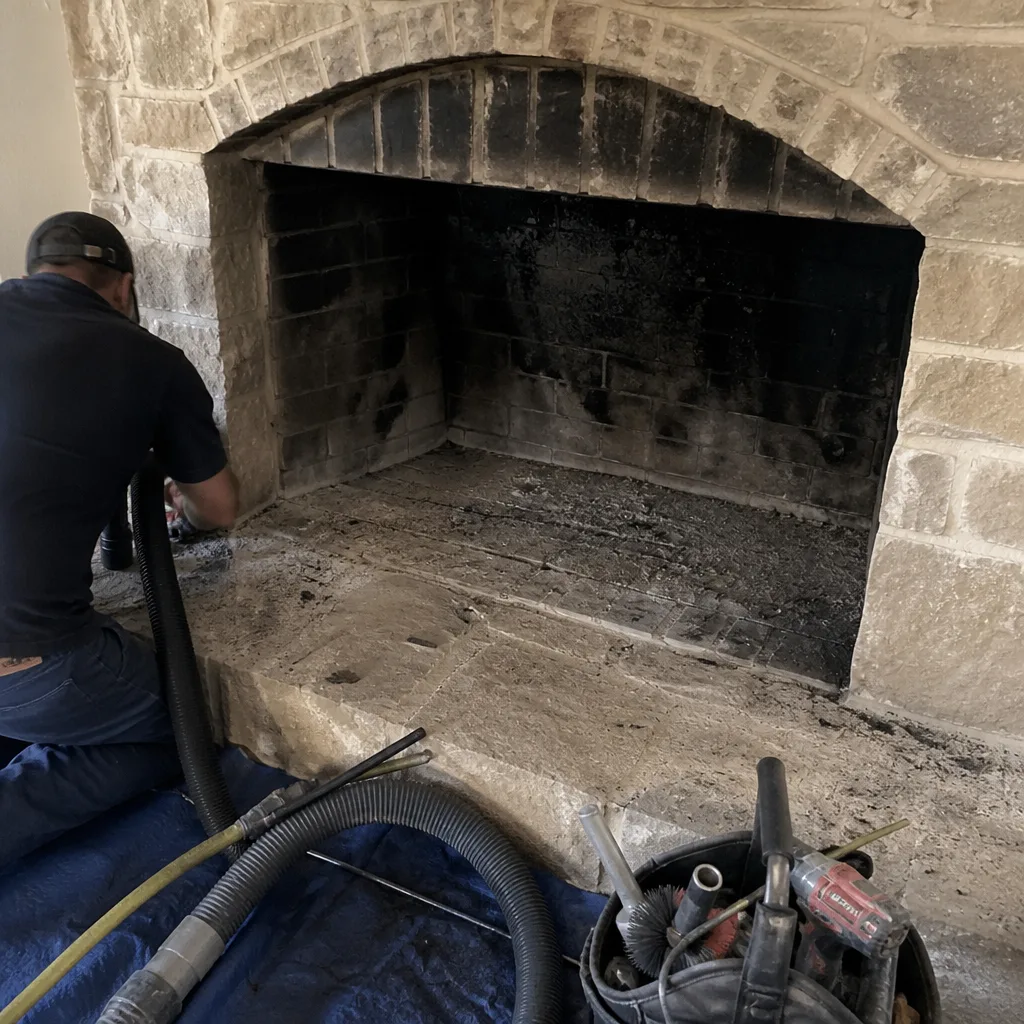 Before
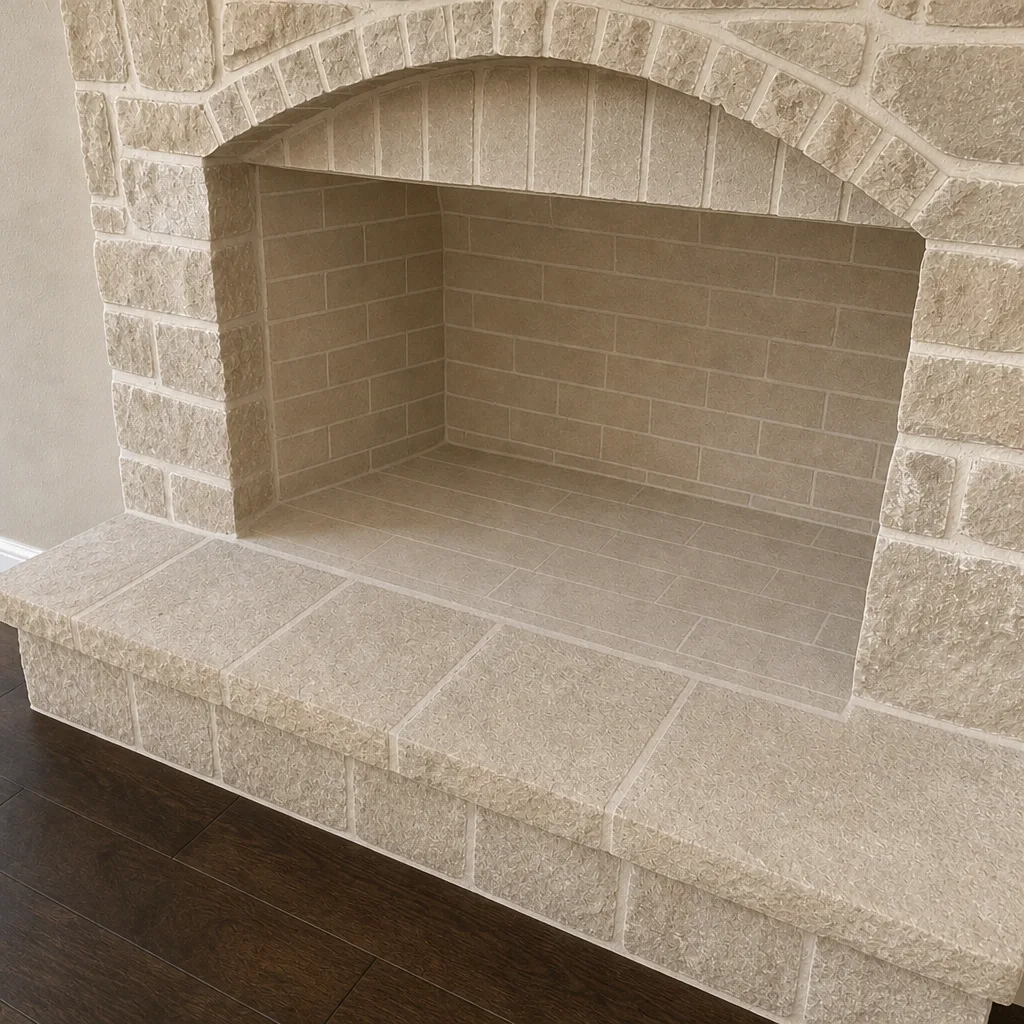 After
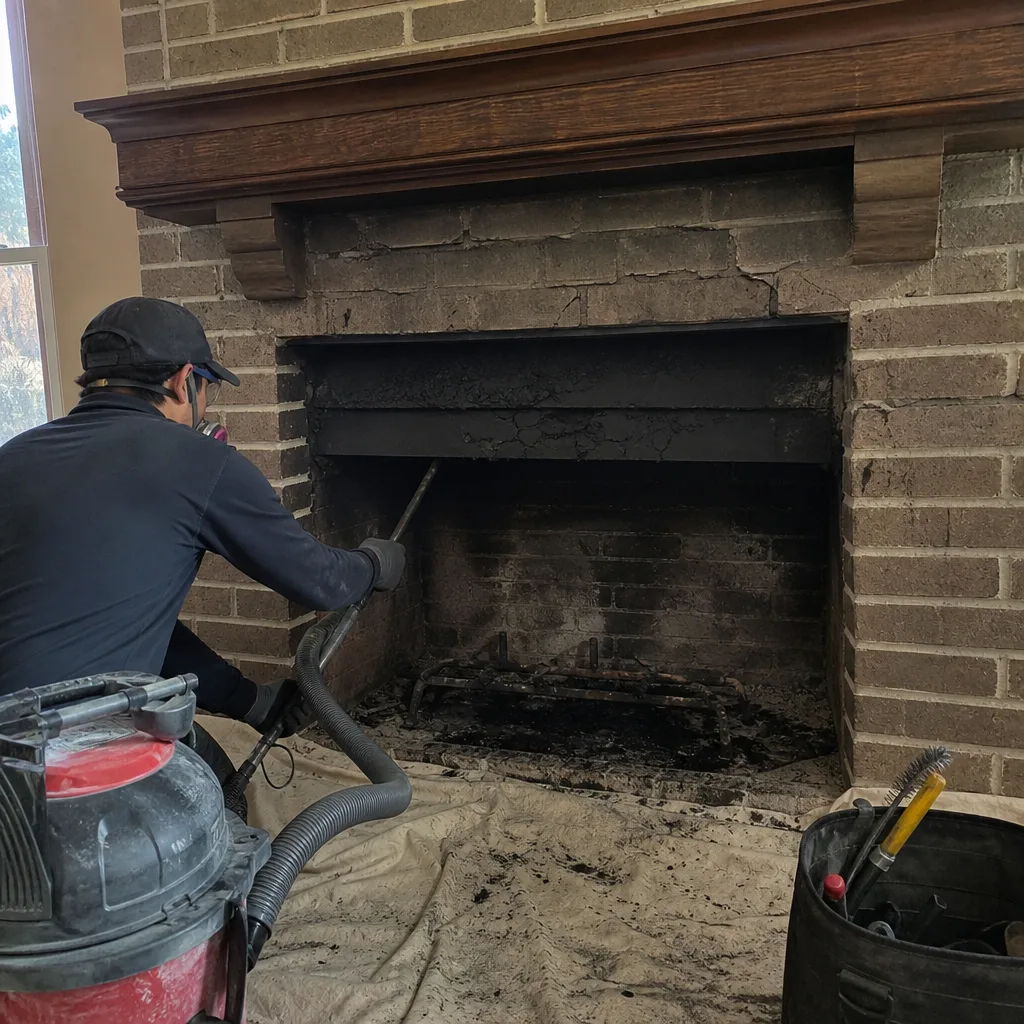 Before
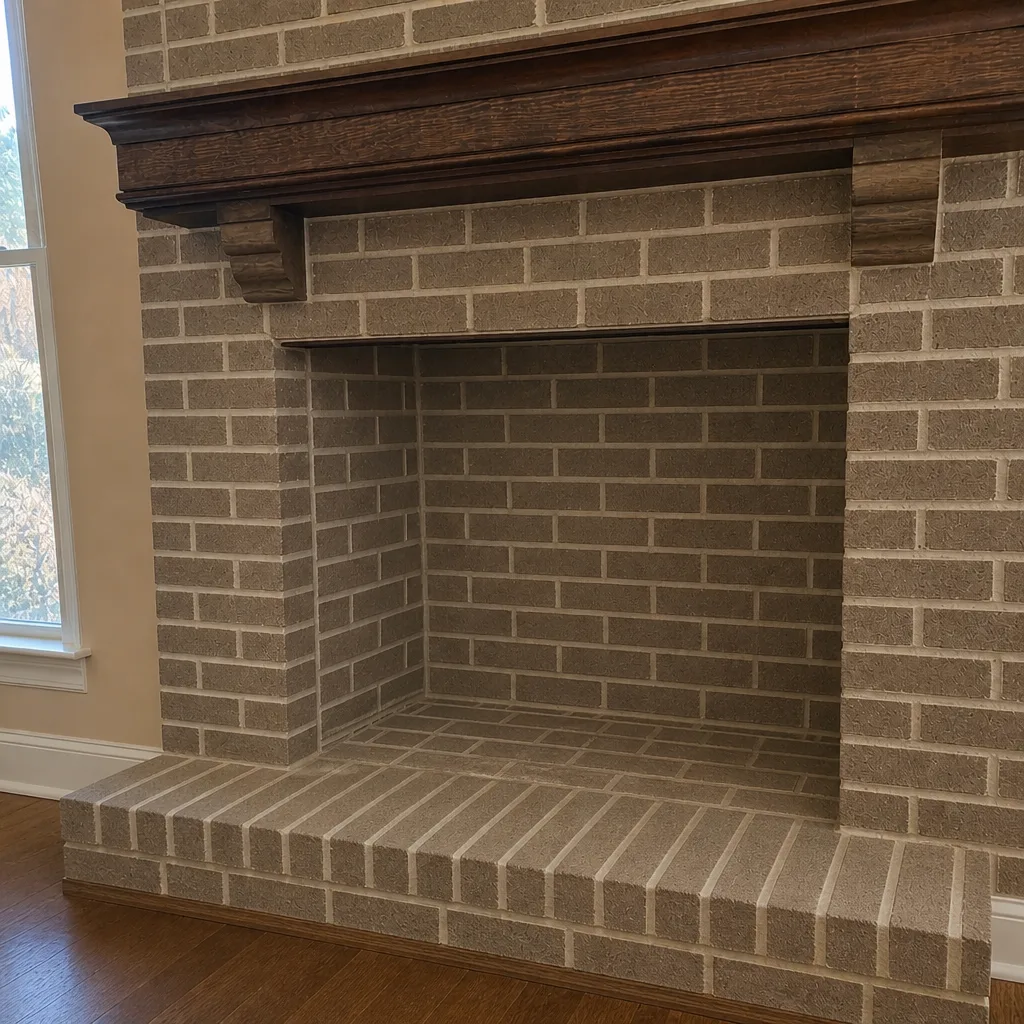 After
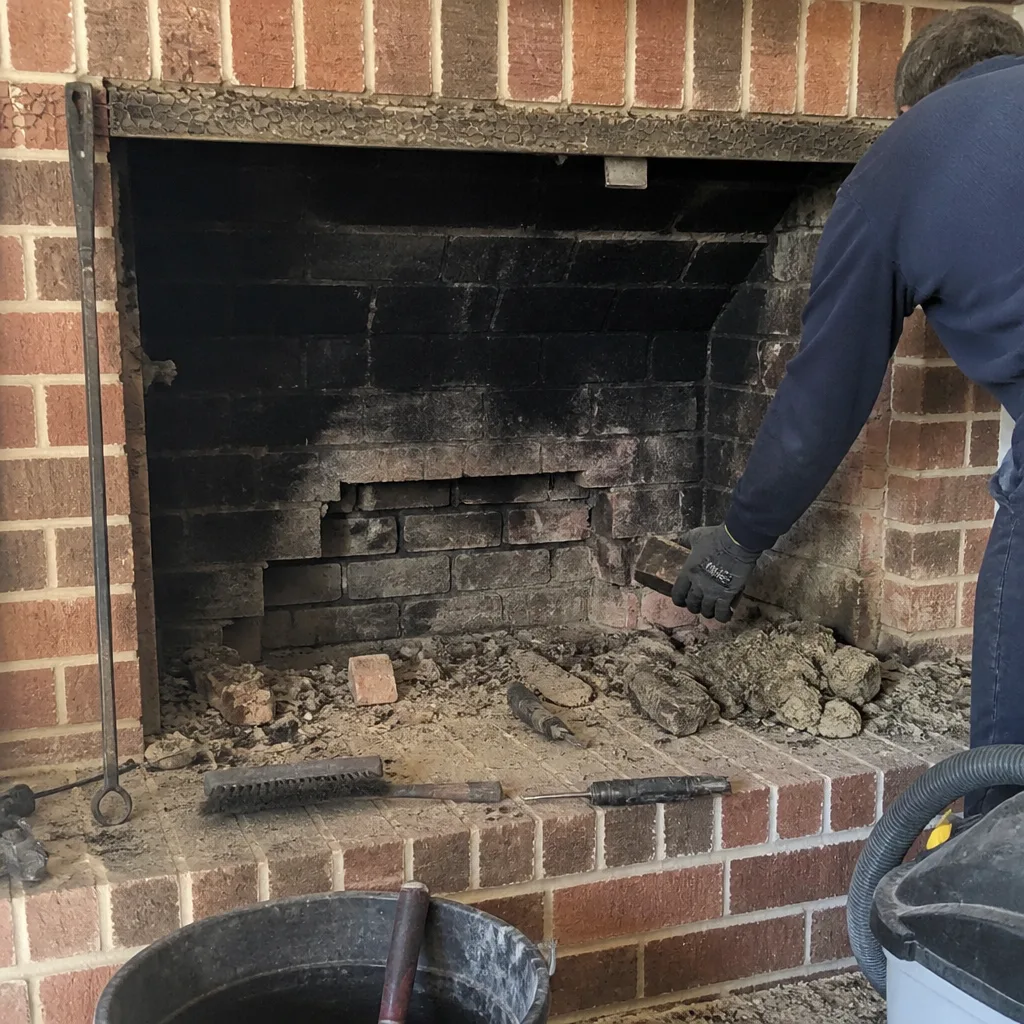 Before
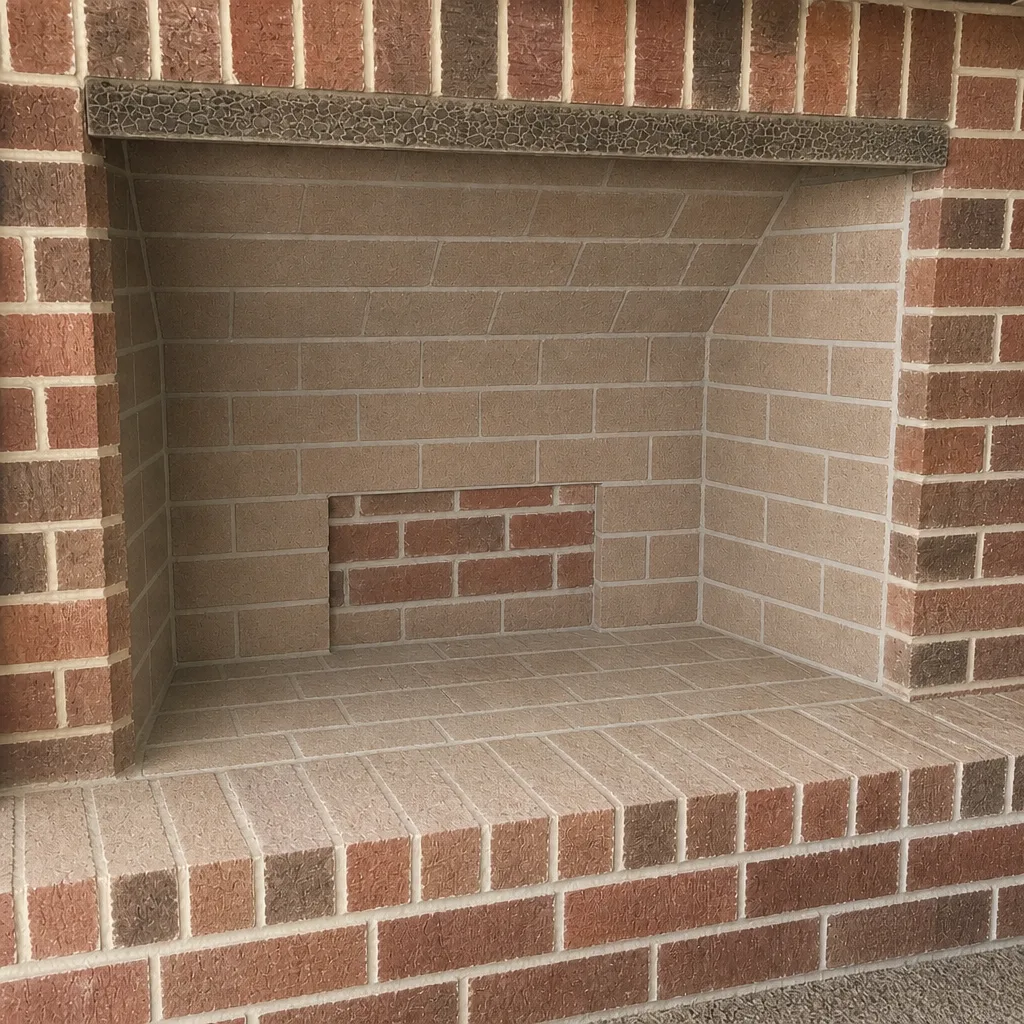 After
When to Call a Professional
Some situations leave no room for self-cleaning. Heavy creosote accumulation, a glazed flue, an aging clay liner that’s never been inspected, a recent heavy burn season, or a chimney fire that already happened – any of these mean a diagnostic inspection is the only safe next step. A chimney with no inspection on record falls in the same category. And if you’ve been self-sweeping for years and can’t describe what your liner looks like, that’s the situation we see most often: the homeowner cleaned religiously and never once looked at the part that matters.
Irving Chimney Cleaning specializes in chimneys – sweep, repair, and inspection are the only three services we offer. That focus is the point. We can sweep a flue, diagnose a liner with a camera, and repair what we find, with no handoff to a third party and no gap in accountability. If you’ve been managing the cleaning yourself and want a clear picture of what’s actually happening inside your chimney, a professional inspection is the starting point. Estimates in Irving are free. Call (855) 955-5057 for yours.
Frequently Asked Questions
Yes, you can physically remove light soot from a straight flue with the right brush and containment, but a DIY sweep doesn’t include inspection, draft testing, or liner assessment, so you won’t know whether your chimney is actually safe to burn. For lightly used fireplaces with a recent clean inspection on record, self-cleaning between professional visits is reasonable. For heavy creosote, an uninspected liner, or any older masonry chimney, a professional visit is the responsible next step. Call (855) 955-5057 for a free estimate.
Most wood-burning fireplaces should be swept annually, and more often if the fireplace is heavily used. The EPA standard is when creosote reaches about 1/8 inch of buildup, but the annual inspection is what matters most because it confirms whether cleaning is needed at all. A gas insert or a fireplace that’s rarely used can go longer between sweeps, but the inspection cadence should stay yearly. Book before the burning season so a repair doesn’t become an emergency. Call (855) 955-5057 to schedule.
A professional inspection includes a video camera scan of the flue, draft testing, liner assessment, and a check of the cap, crown, damper, and smoke chamber. DIY cleaning includes only the removal of soot you can reach with a brush. The camera is the big difference. It shows the condition of the liner tile by tile, which is where most serious chimney problems hide. Call (855) 955-5057 for a free estimate.
Yes, routinely. Glazed creosote (stage three) bonds to the flue surface, and a brush slides right over it without removing it. The homeowner sees soot come down, assumes the flue is clean, and burns again with the dangerous layer still in place. Only professional tools and treatment remove glazed creosote, and an inspection confirms what’s actually left in the flue. Call (855) 955-5057 to get an inspection booked.
It can. Insurers expect reasonable chimney maintenance, and a professional inspection record is the documentation that shows it. If a chimney fire happens and there’s no inspection on record, a claim can run against a blank maintenance history, which complicates the process. A dated professional inspection gives you proof the chimney was checked and cleaned. Call (855) 955-5057 for a free estimate.
DIY cleaning is safest when the fireplace is lightly used, the chimney has a recent clean professional inspection, and creosote buildup is light (powdery stage one). In that situation, clearing soot between scheduled professional visits is reasonable. It’s the “recent clean inspection” part that most DIY sweeps skip. Without that, you don’t know which stage of creosote you’re dealing with, and that’s what determines whether it’s safe. Call (855) 955-5057 for a free estimate before you decide.
The Bottom Line
The DIY versus professional chimney cleaning debate isn’t really about whether you can push a brush up a flue. It’s about whether you learn enough in the process to know your chimney is safe. A brush can remove light soot and give you a clean-looking firebox. A camera, a draft test, and a trained eye can tell you that a cracked liner is venting carbon monoxide into your wall cavity – and that’s the information that actually protects your home. For an Irving homeowner with an older masonry chimney, a gas insert, or a chimney that’s never had a professional inspection, the diagnostic gap is the whole story. The honest math is this: proper DIY equipment costs close to a professional visit, and the professional service includes the diagnosis the DIY kit can’t provide. When the creosote is heavy, the liner is aging, or the history is unknown, self-sweeping removes the visible warning sign and leaves the dangerous one untouched. Call (855) 955-5057 for a free estimate, and let an inspection answer the question a brush never could.
Written by the team at Irving Chimney Cleaning.