
Last updated November 16, 2026
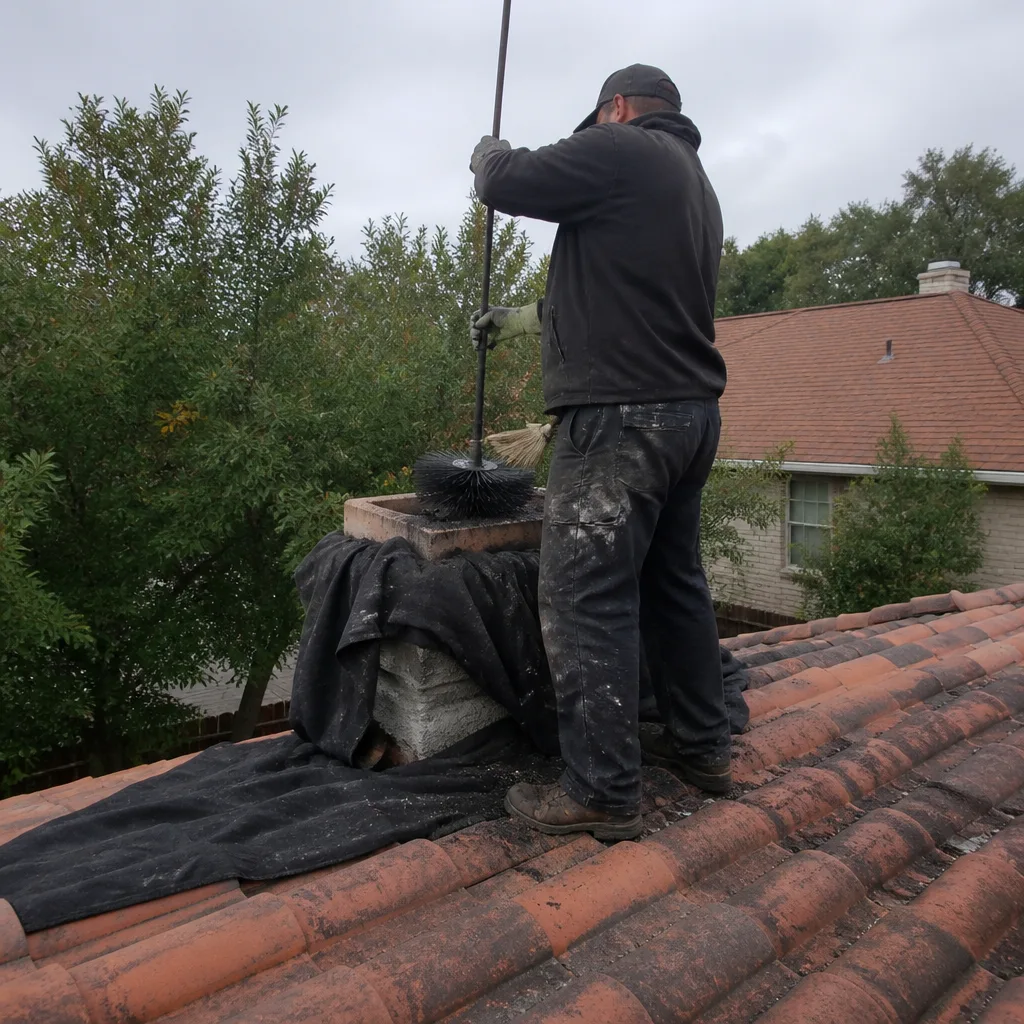
 Sweep & inspection
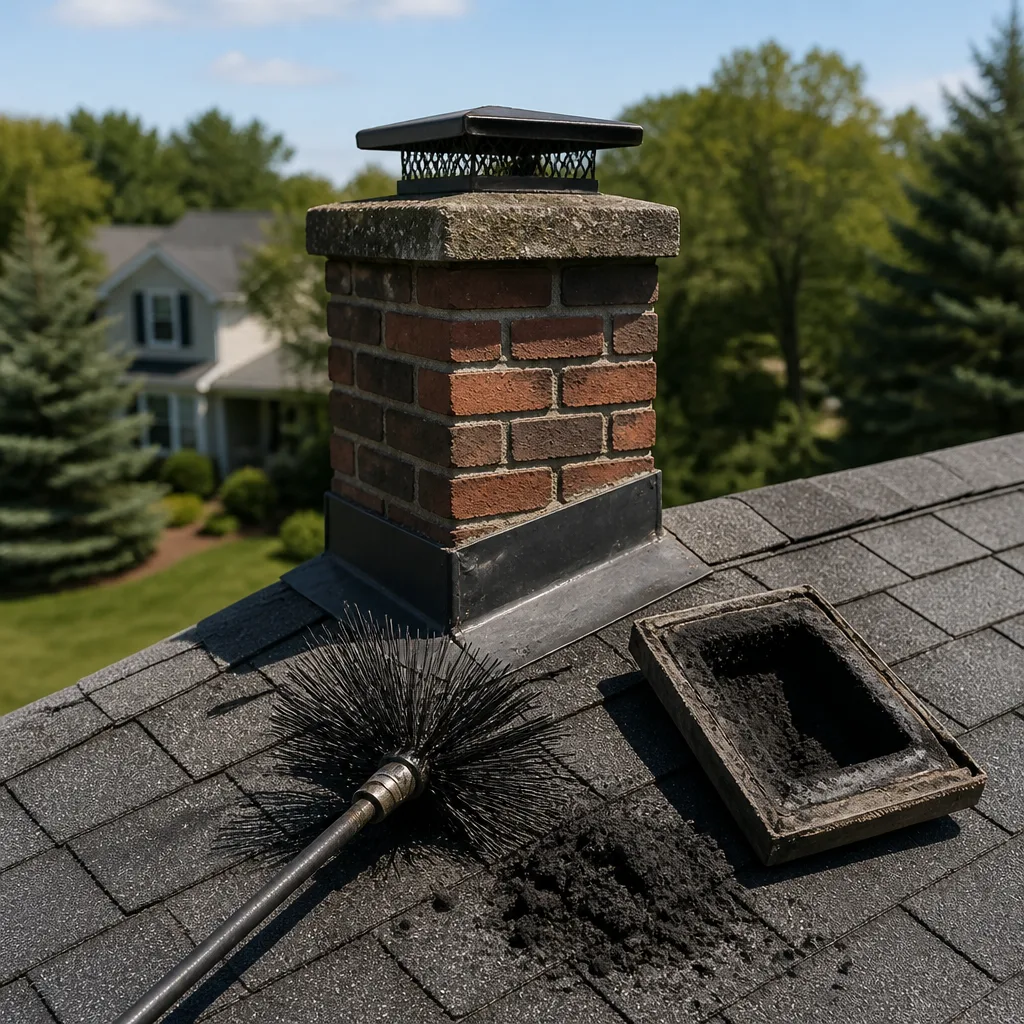
 Caps & crowns
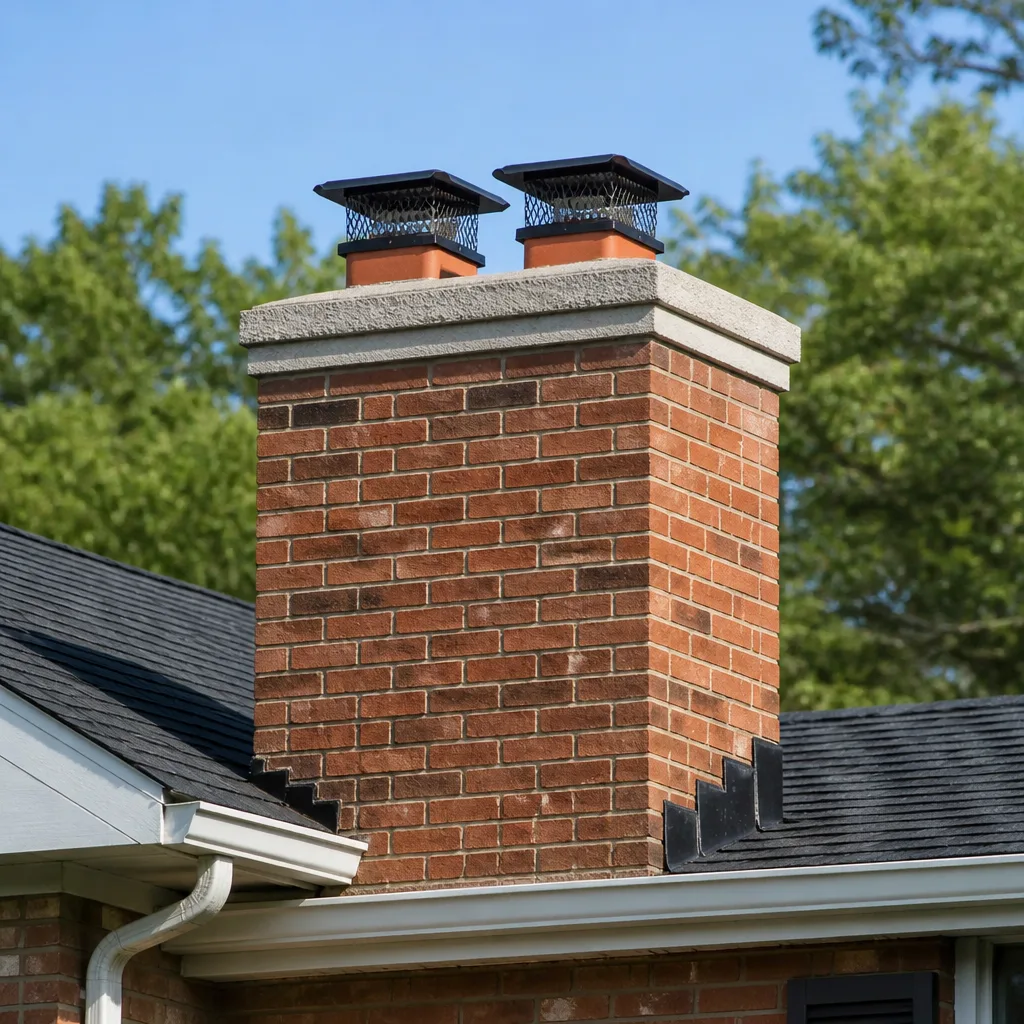
 Flue relining
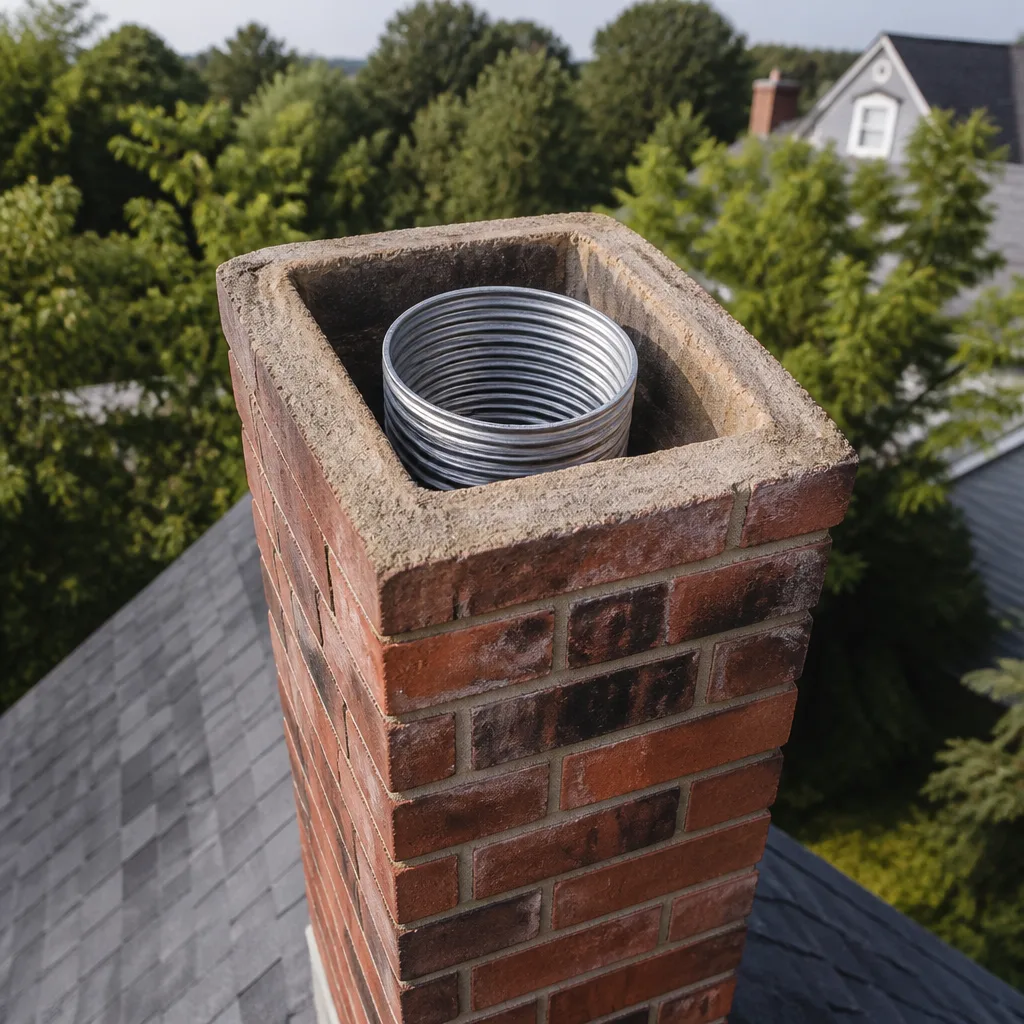
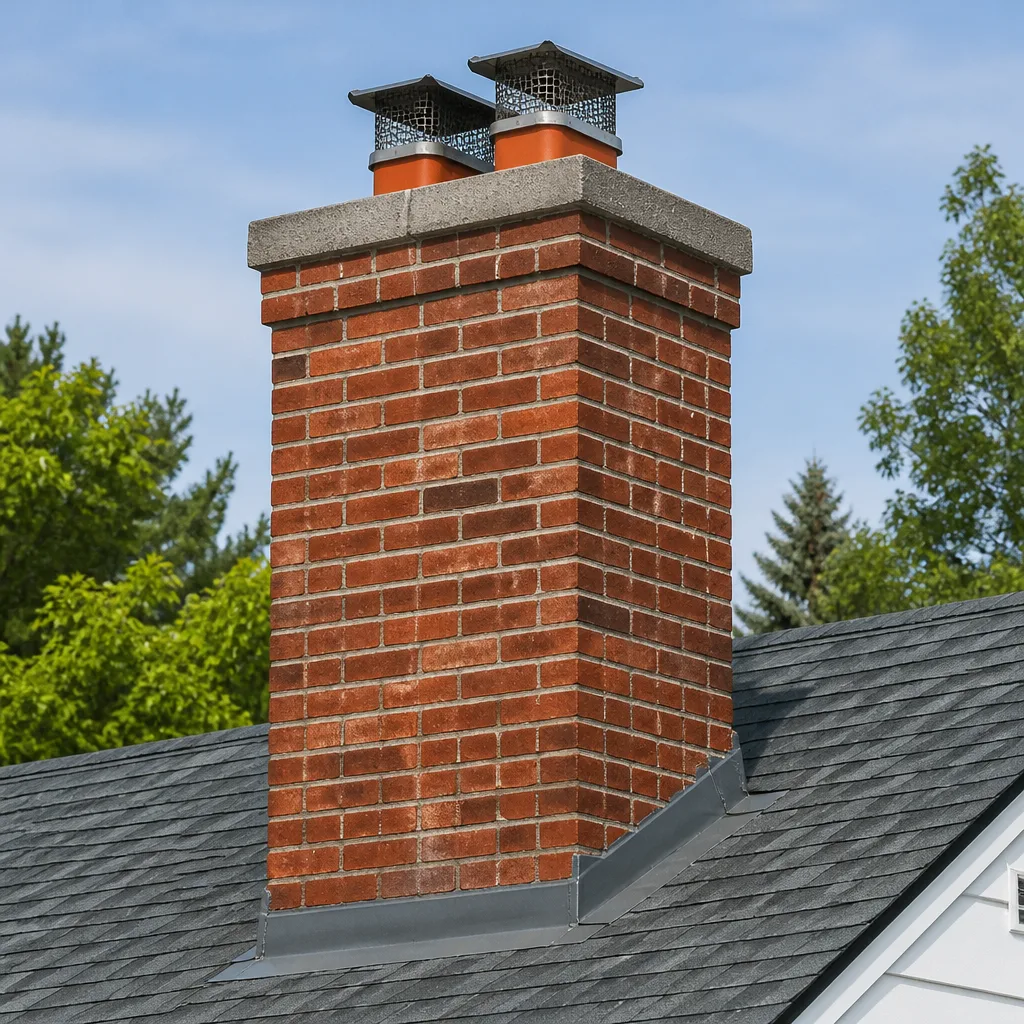 Masonry repair
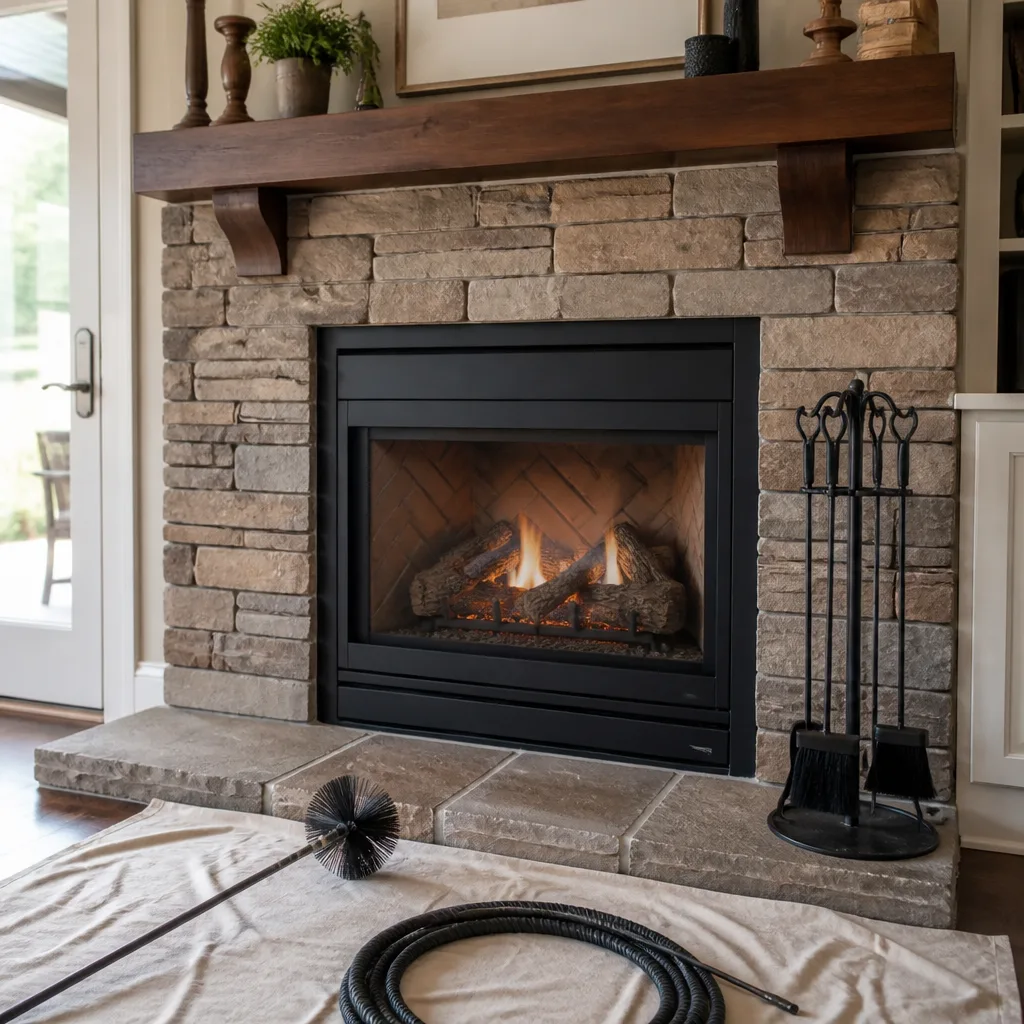 Gas fireplace service
Level 1 sweep and inspection to the NFPA 211 annual standard - flue, crown, cap, and flashing checked and photographed
Chimney sweep logs do not sweep chimneys. They loosen some creosote - which then falls where a brush and vacuum still have to collect it.
Chimney Cleaning Warning Signs: An Irving Homeowner’s Reference Guide
A smoky smell in your living room on a hot July afternoon, with no fire burning, isn’t a minor nuisance. It’s a draft reversal signal, and it often points to a compromised liner or a missing or failed cap. That’s the thing about chimney problems: the dramatic signs people watch for, like visible flames or a wall that feels hot, show up late. The useful warnings come months earlier and look quieter than that. In this guide, we decode what your chimney is actually telling you. We’ll map stains to failure locations, translate draft and odor symptoms into plain causes, cover what you can check without tools, and separate the gas-log signals most guides miss. Irving homeowners will finish with a clear picture of what each sign means and when it needs attention.
Quick Answer
The main chimney cleaning warning signs are white or black staining on the exterior, rust streaks on the firebox or damper, persistent smoky or damp odors when no fire is burning, slow ignition, smoke rolling back into the room, and visible creosote buildup inside the flue. Any one of these means the chimney needs an inspection before you burn again. Several appearing together usually means the problem has been developing for more than one season.
Styles & brands we work with
- Sweep & inspection
- Caps & crowns
- Flue relining
- Masonry repair
- Gas fireplace service
Table of Contents
- Stain Colors and What Each One Tells You
- Draft and Airflow Symptoms Decoded
- Odor Profiles: Creosote, Moisture, and Animals
- What You Can Check Without a Flashlight or Tools
- Warning Signs Specific to Gas-Log Fireplaces
- Which Signs Mean Call Now vs. Schedule This Month
- Why These Signs Show Up in Irving Chimneys
- Common Mistakes to Avoid
Stain Colors and What Each One Tells You
The color and location of a stain on your chimney’s exterior is one of the most reliable diagnostic clues you have, and most homeowners read it backwards. White, black, and rust-brown staining each point to a different failure location inside the system. Here’s how we read each one.
- White staining (efflorescence): A powdery white residue on the brick or mortar, usually near the top half of the chimney. This is salt migrating out of the masonry as water pushes through. It usually means water is getting into the chimney structure, often through a failing crown, cracked mortar joints, or a cap that no longer sheds water. Efflorescence that keeps returning after you scrub it off is the tell: the moisture source is still active.
- Black staining: Soot or creosote drawn through the masonry itself. This happens when the flue lining has gaps or cracks, letting combustion byproducts escape into the chimney’s interior cavity and stain outward. Black staining low on the chimney near the firebox is less urgent than black staining near the top, which suggests the flue has been compromised for a while.
- Rust streaks (orange-brown): Moisture reacting with metal components, most often the damper, a steel firebox assembly, or a metal liner or cap. Rust streaks on the exterior usually trace back to a water issue at the top of the chimney. Rust inside the firebox area often points to a damper that’s rusting through.
What makes this useful is that the stain location narrows the failure before anyone climbs up. A white stain at the crown and a black stain at the flue tile call for different repairs entirely, which is why we look at the exterior first when we assess a chimney on a first visit.
Draft and Airflow Symptoms Decoded
Draft problems are the symptoms homeowners describe as “the fireplace just doesn’t work right.” Slow ignition, a fire that smokes into the room, a cold draft coming down when no fire is lit, and smoke that rolls back over the firebox lip all point to a small set of causes. Each symptom narrows which one you’re dealing with.
- Slow ignition or a fire that takes several tries to catch: Often a cold flue that hasn’t warmed up, but persistent cases can mean the flue is oversized for the firebox or choked with buildup. A fire that catches hard on a cold morning and settles once the flue warms is usually normal. A fire that struggles every single time is not.
- Smoke rollback (smoke curling out into the room instead of up the flue): Usually a restriction: a blocked flue, a bird nest, excessive creosote, or a damper not fully open. In older masonry chimneys with a firebox larger than the flue can serve, it can also be a flue-sizing problem that a liner corrects. We see both in Irving, and the repair differs.
- Downdraft (a cold draft of air coming down the chimney when no fire is lit): A pressure or height problem. If the chimney’s top sits below a nearby roofline or against a taller structure, wind and pressure can push air back down. A missing or damaged cap makes it worse. The July smoky smell described at the top of this guide is downdraft with an extra problem: creosote or soot smell carried back into the room.
- A draft that always starts when a bath fan or kitchen exhaust runs: A pressure-balance issue. The house is pulling air from the path of least resistance, which can be the chimney. It’s rarely a chimney-only fix, but a flue liner and a properly fitted cap reduce how much the chimney participates.
Draft symptoms are where a technician learns the most in the first five minutes. What you notice about the fire, and when, is usually enough to narrow the cause to a blockage, a sizing issue, or a pressure problem before the flue is even inspected.
Odor Profiles: Creosote, Moisture, and Animals
Smell is the most underrated chimney diagnostic. Homeowners often describe “a chimney smell” as though there’s only one, but a creosote smell, a moisture smell, and an animal intrusion odor mean three different problems, and only one of them is usually urgent. If you can tell us which of these three it is, we can often tell you how soon the chimney needs attention.
- Creosote smell: Sharp, tarry, and acidic, often strongest on warm, humid days when the fire isn’t burning. It means creosote has built up on the flue walls and is off-gassing. The more pungent and persistent it is, the more likely the buildup has reached a stage that needs sweeping. Glazed, sticky creosote is the dangerous form and the clearest reason to schedule a chimney sweep before the next burn.
- Moisture smell: Damp, musty, and earthy, like a wet basement. This points to water intrusion in the masonry, a leaky crown, or a flue that’s taking on rain through an open or damaged top. It usually needs a repair rather than a cleaning, and the fix is above the roofline.
- Animal intrusion odor: A musky, ammonia-like, or distinctly “wild” smell near the firebox or in the room. Birds, squirrels, and raccoons use chimneys for shelter, and they leave nesting material that blocks the flue and poses a fire risk. Once you’ve identified an animal odor, you’ll want the chimney checked before you burn, because a nest is a genuine fire hazard when ignited.
One profile per season is normal. Two overlapping (a damp smell plus a creosote smell, for instance) usually means a moisture issue has been building while the flue was also accumulating creosote, which happens often in older Irving masonry.
What You Can Check Without a Flashlight or Tools
You don’t need equipment to find most early warning signs, and we’d rather you didn’t climb onto your own roof. Here’s what a homeowner can safely check from the living room, and which visible clues warrant an emergency call versus a scheduled inspection.
Safe to check yourself (no tools):
- Look at the firebox interior in daylight. Creosote on the firebox walls, cracked firebrick, or a powdery white residue inside the box are all visible without a light.
- Open and close the damper by hand. It should move smoothly and open fully. Resistance, a grinding feel, or a damper that won’t stay open are warning signs.
- Note the color of smoke. Greasy black smoke that curls heavily at startup, or smoke that lingers at the top of the firebox, both point to a draft or buildup issue.
- Note the smell when no fire has burned for days. A creosote, damp, or animal smell is your first signal the chimney needs looking at.
- Check the exterior of the chimney from the ground. Staining, missing or tilted cap, cracked mortar joints at visible height, and a crown that’s crumbling at the edge are all readable from a safe distance.
What warrants an emergency call: a firebox that has cracked or crumbled firebrick with a visible gap, a damper that has rusted through or detached, black soot appearing on a wall adjacent to the chimney, or a strong creosote smell combined with any visible buildup. Do not burn in the fireplace again until it’s inspected. Firebox and flue damage can let hot gases or carbon monoxide escape into the structure, and that’s not something to sleep on.
What warrants a scheduled inspection: staining on the exterior, a slow-starting or smoking fire, a persistent odor, or it simply being a new season and you haven’t had the chimney looked at yet. The difference between the two lists is whether the system is currently containing combustion safely.
Warning Signs Specific to Gas-Log Fireplaces
Most chimney guides conflate gas-log and wood-burning systems, which misses half the diagnostic picture. Gas-log fireplaces have no creosote buildup and no smoke, but they have their own set of failure modes, and their warning signs look nothing like wood-burning ones.
- A “hollow” or cold draft with the gas off: Gas logs sit in a chimney that’s still a chimney. The flue still vents combustion byproducts, and a compromised lining or missing cap still causes draft reversal, just without the creosote smell to flag it.
- A lingering gas smell after the fire is off: A safety issue, not a maintenance item. Turn the gas off at the valve and call for service. Gas lines are not a homeowner diagnostic, and we always recommend a qualified gas professional for any actual gas line work.
- Sooty deposits on the gas logs themselves or the firebox walls: Gas logs that deposit soot usually aren’t getting enough air or aren’t burning cleanly, which points to venting or log placement issues. Persistent soot on a gas log is a venting problem until proven otherwise.
- A roaring or unusually loud flame: A venting issue, often too little draft, and it should be looked at rather than adjusted by hand.
- Condensation or moisture inside the firebox with the gas off: Points to a venting or cap issue on a system that doesn’t otherwise produce visible smoke, which is exactly the symptom homeowners miss.
Because gas-log systems run clean, homeowners often assume they need no attention. In our experience, they need a documented inspection at least as often as wood-burning systems, but the schedule is driven by the venting and the liner’s condition rather than by creosote load.
Which Signs Mean Call Now vs. Schedule This Month
Not every warning sign is urgent, and a good chimney specialist will tell you plainly when work can safely wait. Here’s how we sort warning signs, in order of urgency.
- Call now, stop burning: visible firebox cracks or crumbling firebrick, soot on the wall beside the chimney, a gas smell, an animal nest in the flue, or a strong creosote odor with visible buildup on the flue walls. These are fire or carbon monoxide risks, and the fireplace should stay cold until inspected.
- Schedule within a week or two: smoke rollback, slow ignition that happens every time, a persistent creosote or moisture smell, black or white exterior staining, or rust streaks inside the firebox. These usually mean the system needs a repair and isn’t safe to rely on, but they’re not an active hazard in the way a crack or a nest is.
- Schedule before your next season: minor exterior staining, a slightly hard-to-move damper, a cap that’s starting to look worn, or a cold draft on very cold mornings. These are the signs that tend to sit for a year and become the ones in category one. If you’re going to have a chimney in an older home, the front end of the list is where you want to catch it.
What we won’t do is tell you a repair is needed that we can’t show you evidence of. Our inspection work produces a documented assessment with photos, so you’re looking at the same condition your inspector is describing. If a mason or a liner is what the chimney needs, you’ll see it in the documentation before anything is scheduled. If the work can wait until spring, we’ll tell you that too.
Why These Signs Show Up in Irving Chimneys
Irving’s housing stock and climate shape how these warning signs present. The city’s older masonry chimneys, many of them built into homes in established neighborhoods across Las Colinas, Valley Ranch, and the older central-Irving blocks, are the ones where we see efflorescence and flue-tile wear most often. The clay flue tiles in older masonry age and crack, and once a tile cracks, black staining and moisture intrusion follow within a season or two.
The mild winters are a factor too, but not the one people expect. Because North Texas winters don’t stay cold for months, many Irving homeowners skip the pre-season inspection and burn intermittently through a long shoulder season, which allows creosote to accumulate gradually without the sharp seasonal reset that colder climates force. That gradual accumulation is exactly what lets a category-one warning sign, like a persistent creosote smell, be dismissed as “just the chimney.”
The humid summers matter as well. During hot, humid weeks, creosote on the flue walls softens and puts off a stronger odor, and that’s when homeowners notice the smoky smell in a room with no fire burning. If you’re noticing that smell now, it’s a real signal, not a quirk of the weather. A documented inspection will show whether the flue needs a chimney repair or a straightforward sweep.
We work with professional-grade materials and recognize what different systems need. A cracked clay flue tile in an Irving masonry chimney is a HeatShield resurfacing issue, while a fully deteriorated liner often calls for a DuraFlex stainless liner system. Recognizing the difference is why we can assess and repair the chimney under one roof rather than sending you between a sweep and a mason. If you’re in a neighboring community like Double Oak, the same logic applies, and our Double Oak page covers how we work there. All three core services, sweep, repair, and inspection, are covered in one relationship, so nothing between the flue and the firebox gets lost in a handoff. If you’d rather start with the specialty, the Irving Chimney Cleaning team handles all three as an integrated service.
Common Mistakes to Avoid
- Assuming a clean-looking firebox means a clean flue. Creosote builds up on the flue walls, not the firebox floor, so a firebox that looks tidy can sit behind a heavily loaded flue. The visible surface is the least diagnostic part of the system.
- Burning through a warning sign because the fire “still works.” A chimney can push smoke into the room and still light. Draft symptoms and creosote smells are warnings to inspect before the next burn, not signs the fireplace is unusable until the problem escalates.
- Treating a gas-log fireplace as maintenance-free. Gas logs still vent combustion gases and still need their liner and cap looked at. A system that never shows creosote gets skipped precisely because it looks clean.
- Checking the chimney from a ladder yourself. Roof access to inspect a chimney is a genuine fall hazard, and the top of a chimney is where the most useful diagnostic signals are. Leave the roof inspection to the technician and check the exterior from the ground.
- Scrubbing off exterior staining without finding the source. Efflorescence that comes back after you wash it off means the water intrusion is still active. The stain is the symptom; the crown, mortar, or cap is the cause.
- Mixing up wood-burning and gas-log warning signs. A creosote smell means nothing on a gas system, and a soot deposit on a gas log means something different than on a wood-burning firebox. Figure out which system you have before you diagnose.
- Waiting until fall to schedule. The shoulder season is when warning signs are easiest to see and when work can still be scheduled without pressure. By the time the fire is lit for the season, a small diagnosis has often become an urgent repair.
See the difference
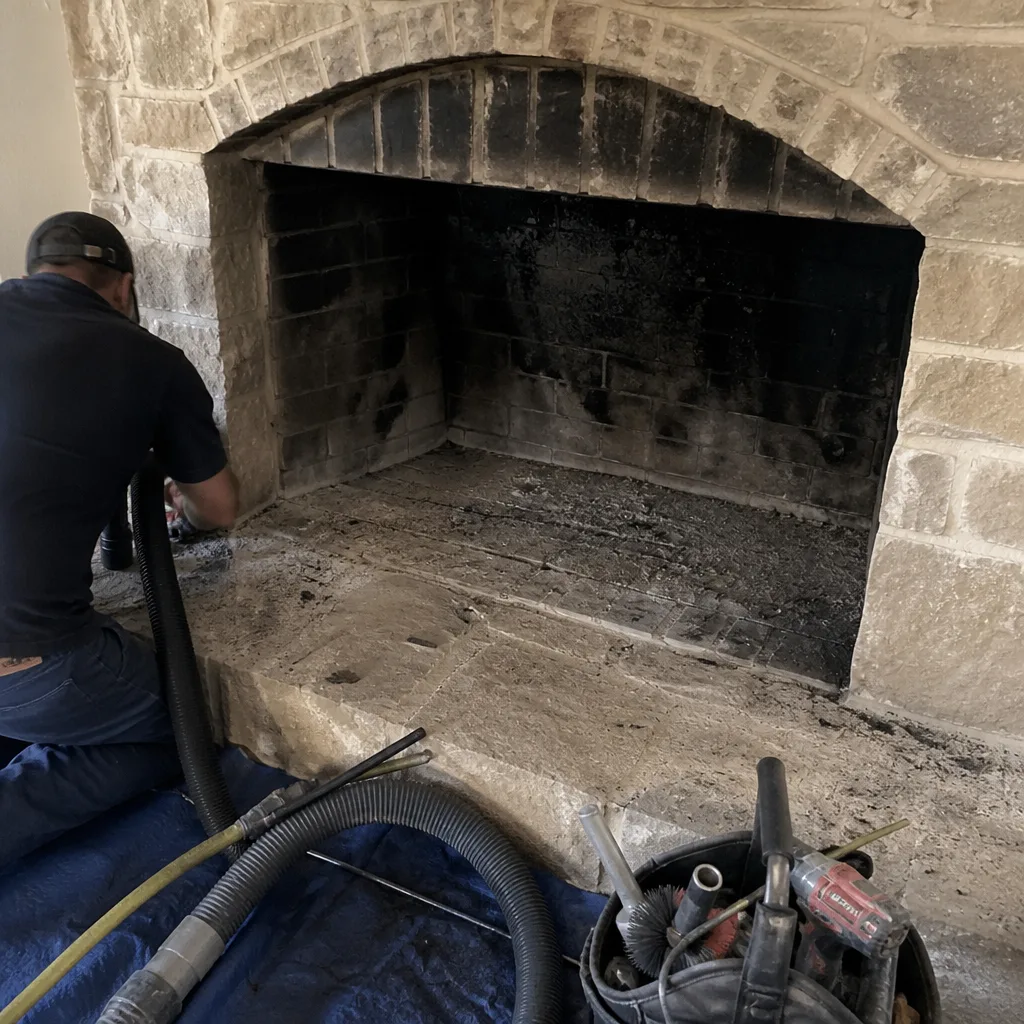 Before
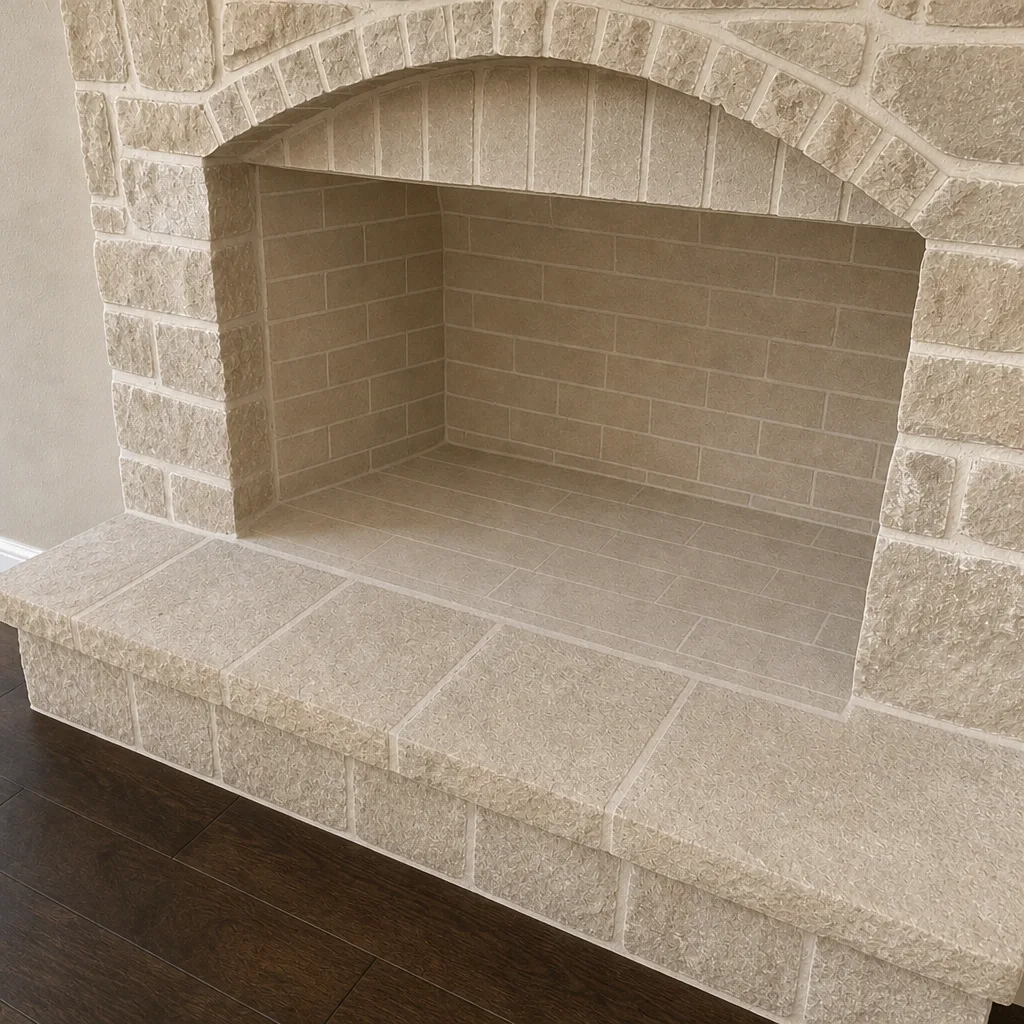 After
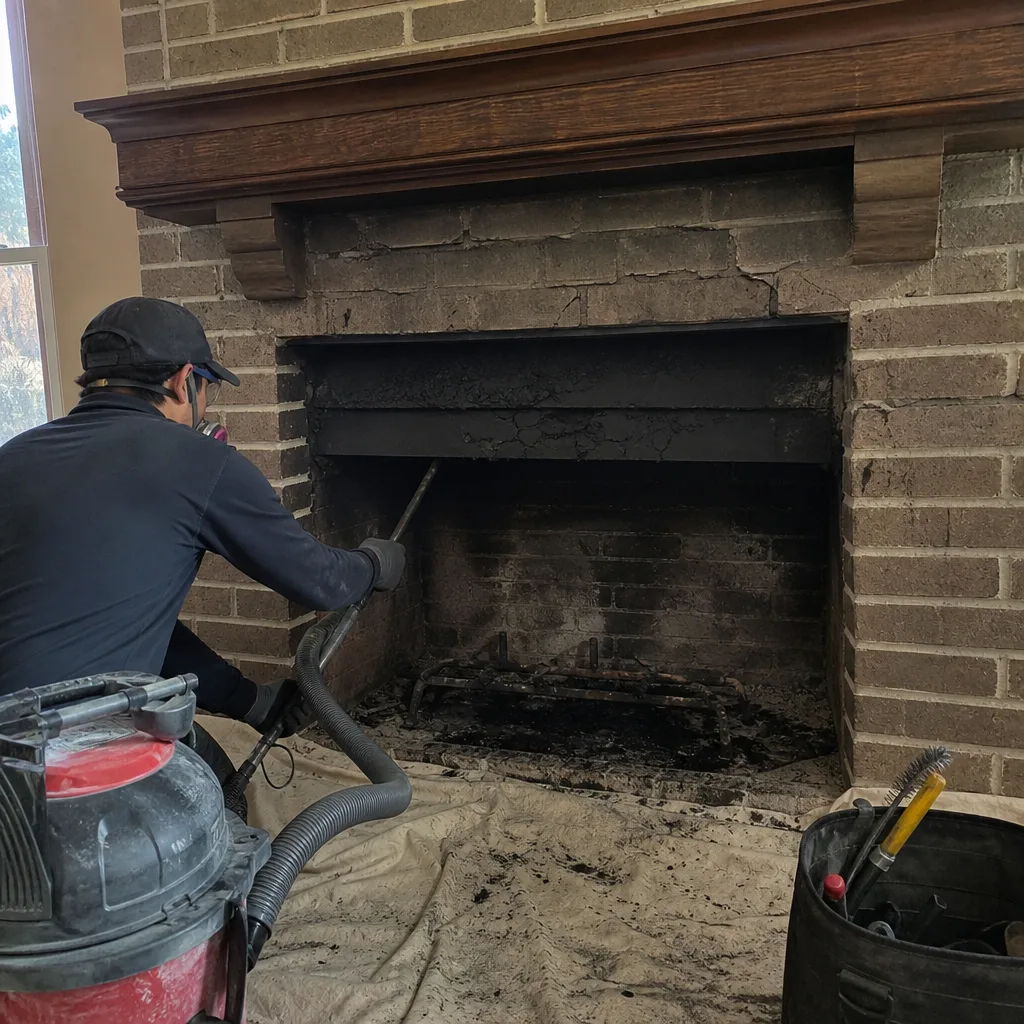 Before
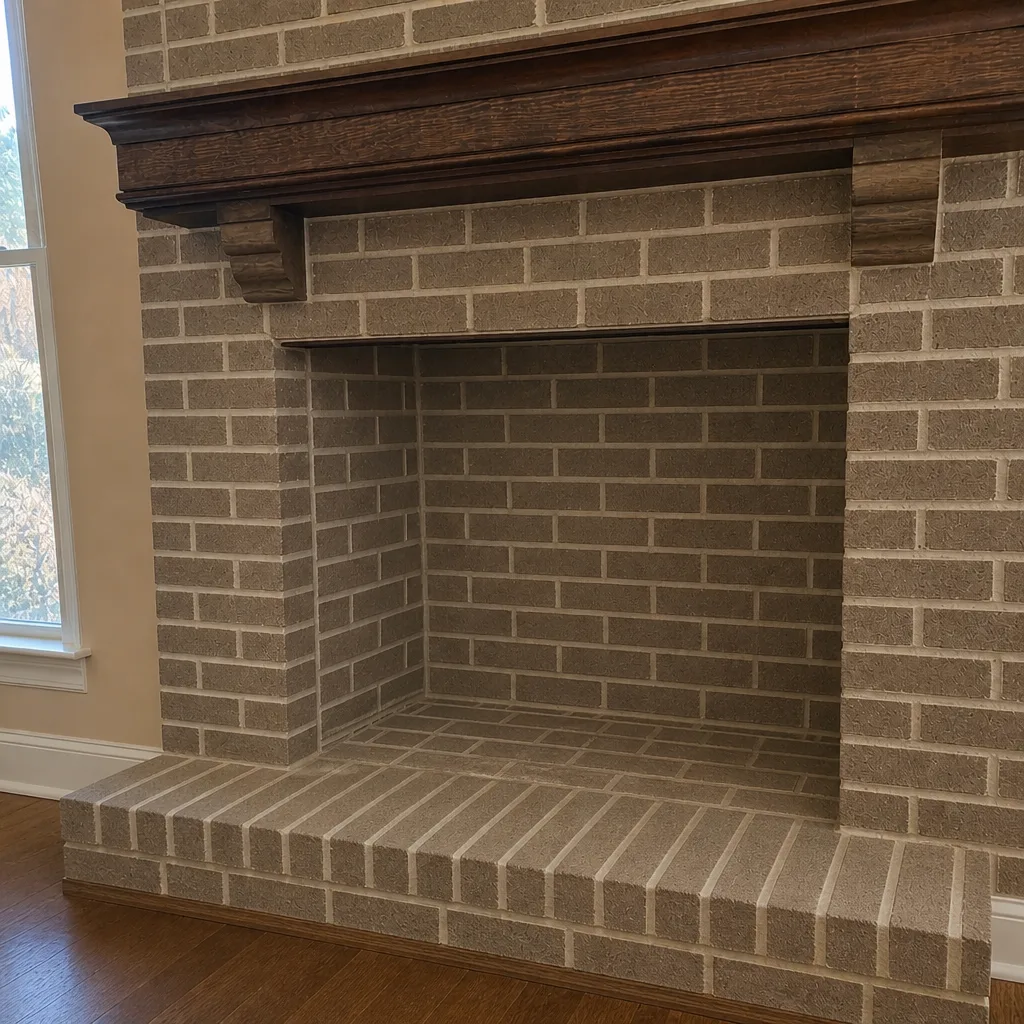 After
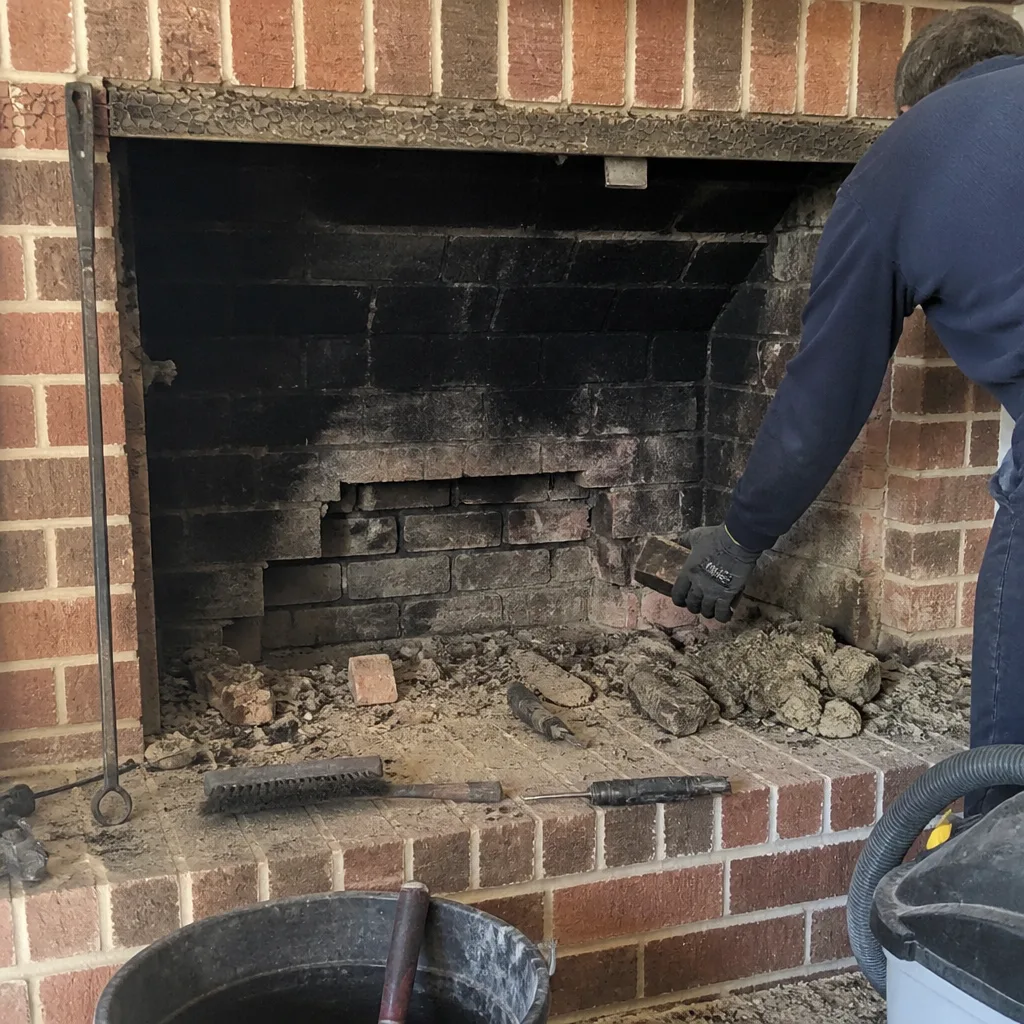 Before
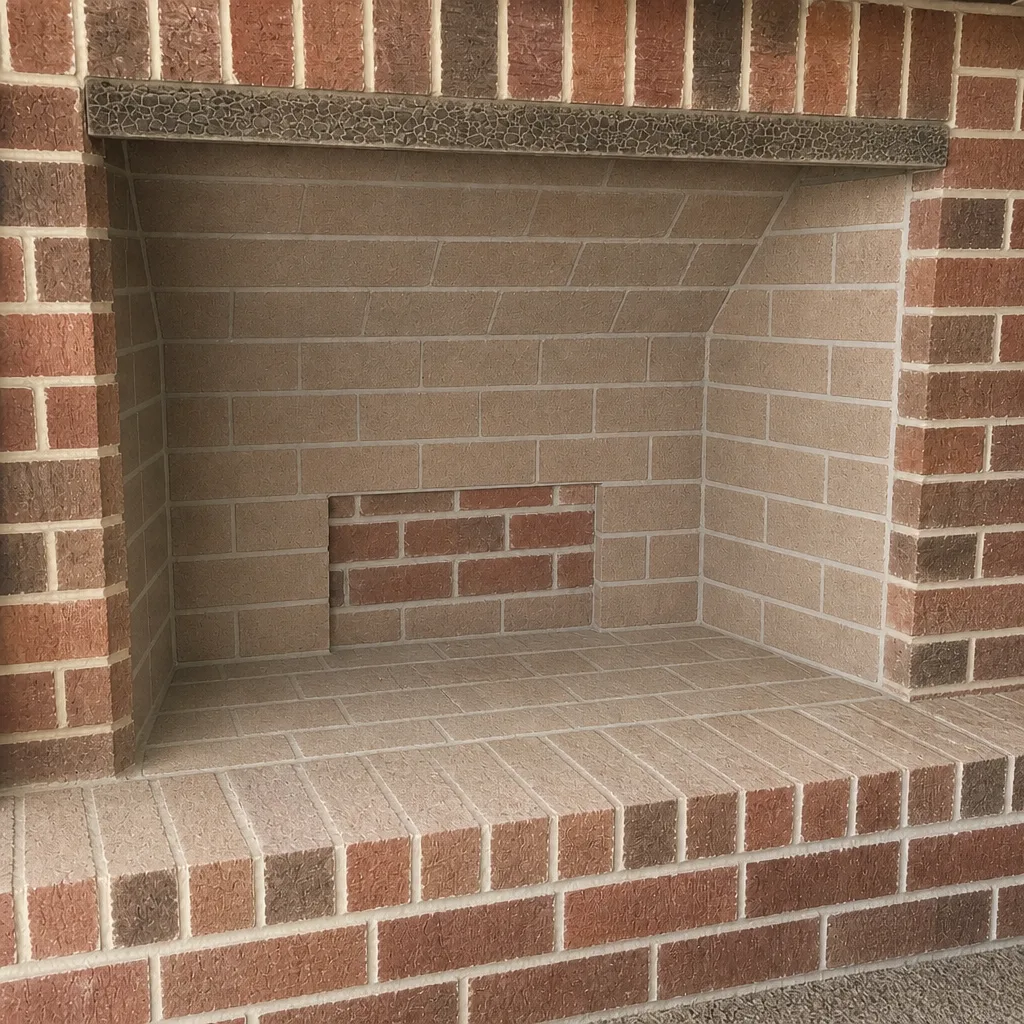 After
When to Call a Professional
Call for a professional inspection if you’re seeing any sign in the first two urgency categories of this guide: visible firebox cracks or soot on the wall, a gas smell, an animal nest in the flue, persistent smoke rollback, or a creosote smell that doesn’t clear when the fire is out. Also call if your chimney has exterior staining that returns after it’s been cleaned, or if you’ve never had the chimney inspected since moving into the home. Irving Chimney Cleaning offers free estimates in Irving by written estimate, and our inspection produces a documented assessment you can see. Call (855) 955-5057. We answer 24/7. Fast dispatch from 7am to 7pm, Sunday through Friday.
Frequently Asked Questions
A chimney should be swept when the creosote load on the flue walls reaches the point where a fire risk develops, which for most regularly used wood-burning fireplaces means roughly once a year of active use, and sooner if you notice buildup, draft symptoms, or a creosote smell. A documented inspection is the reliable way to know, since the useful sign is a measured load on the flue, not the calendar. Call (855) 955-5057 for an exact quote. Estimates are free.
Creosote accumulates on the flue walls, and glazed, sticky creosote is the form that ignites, which is how a chimney fire starts. Skipping a sweep can also allow a small crack or a loose tile to go unaddressed, which lets combustion gases escape. Neither happens dramatically at first, and that’s what makes skipping easy to do.
You need a new liner when the existing liner has deteriorated to the point that combustion byproducts can escape into the structure, and that’s something a documented inspection can show you. A HeatShield resurfacing may be enough where damage is limited, while a fully failed liner typically calls for a DuraFlex stainless system. You shouldn’t have to take that on faith: we show you the evidence from the inspection before recommending a liner. Call (855) 955-5057. Estimates are free.
Yes, it matters, because they mean different repairs. A creosote smell is sharp and tarry and points to buildup on the flue walls, which a sweep addresses. A moisture smell is damp and musty and points to water intrusion through the crown or cap, which a repair addresses. Getting the diagnosis right saves you from paying for a sweep that doesn’t fix the smell.
Not necessarily dangerous at that moment, but it’s a real signal. A smoky smell in summer with no fire burning is draft reversal carrying creosote and soot odor back into the room, and it often points to a compromised liner or a missing cap. It means the chimney needs an inspection before the next burn, and the inspection will tell you how much of the problem is draft and how much is liner condition.
A chimney sweep in Irving is priced per job by a written estimate, which we provide at no cost after the inspection. What determines the price is the condition of the flue, the creosote load, and whether the chimney needs a repair in addition to a sweep. Call (855) 955-5057 for an exact quote. Estimates are free.
The Bottom Line
Chimney warning signs are quiet before they’re dangerous, and the quiet ones are what this guide is for. White staining means water is pushing through the masonry. Black staining means the flue is likely leaking. Rust points to moisture at the top of the system. Odors sort into three types, and only one of them is usually urgent. Draft symptoms point to a blockage, a sizing problem, or a pressure issue before the flue is even opened. And gas-log systems have their own signals, which is why they’re so easily skipped. If any of these signs is familiar, the next step is a documented inspection, so you’re looking at the same condition your technician is describing. Call (855) 955-5057. We answer 24/7. Fast dispatch from 7am to 7pm, Sunday through Friday, for a free estimate.
Written by the team at Irving Chimney Cleaning.